📺 The Incredible Hulk (1977)
Part of The Incredible Hulk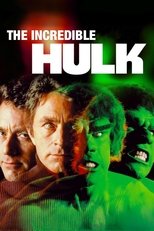
The Incredible Hulk television series, which premiered in 1977, took the core concept of the Marvel Comics character and grounded it in a somber, realistic tone that was a significant departure from the source material. Developed by Kenneth Johnson, the show made several deliberate changes to the mythos, most notably renaming the protagonist from Bruce Banner to David Banner, reportedly because Johnson felt the name Bruce sounded too stereotypically gay. The origin story was also altered: instead of a gamma bomb test, David Banner's transformation results from an accidental overdose of gamma radiation while researching the limits of human strength. The series drew clear inspiration from Victor Hugo's Les Misérables, framing Banner as a tragic fugitive relentlessly pursued by an obsessive investigator, tabloid reporter Jack McGee.
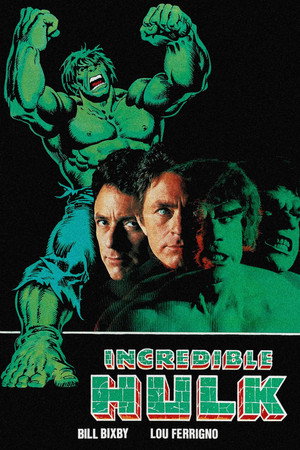
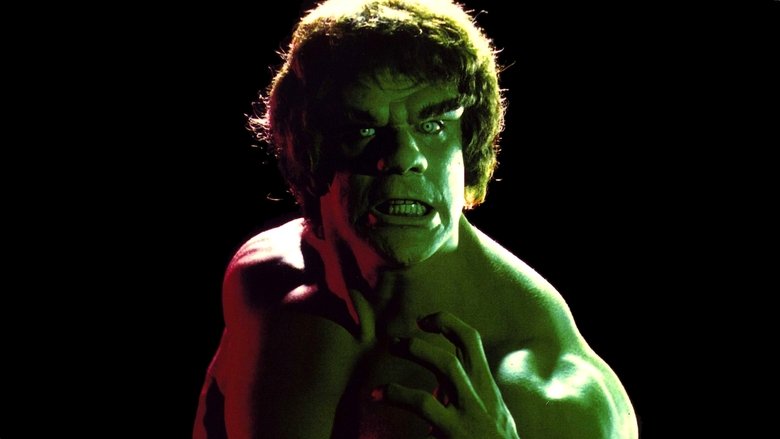
The series starred Bill Bixby as Dr. David Banner and bodybuilder Lou Ferrigno as the Hulk, with the transformation sequences becoming a signature element of the show. Unlike the comics, where the Hulk often spoke and had distinct personalities, the television Hulk was a largely mute, childlike creature of pure instinct and rage. The show was structured as a "wandering fugitive" drama, with Banner traveling from town to town under assumed names, taking odd jobs, and helping people in need before his secret was inevitably revealed. This formula, combined with the tragic loneliness of Banner's journey and the iconic piano theme music by Joe Harnell, resonated deeply with audiences.
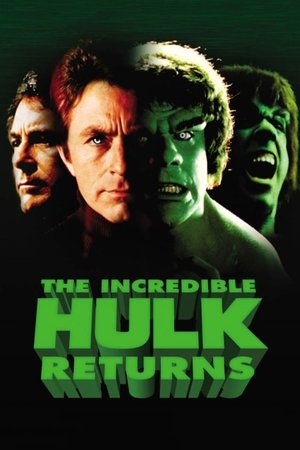
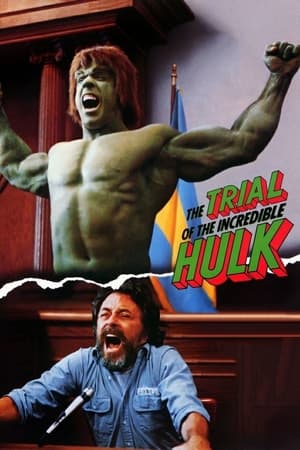
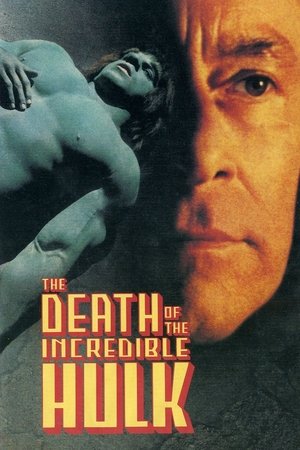
The two-hour pilot movie aired on November 4, 1977, and was followed by 80 episodes across five seasons on CBS, concluding in 1982. The series' legacy was extended through three subsequent television movies: The Incredible Hulk Returns (1988), The Trial of the Incredible Hulk (1989), and The Death of the Incredible Hulk (1990). These later films attempted to introduce other Marvel characters like Thor and Daredevil, and ultimately provided a sense of closure to Banner's story. The show remains a beloved and influential adaptation, praised for its dramatic weight and Bixby's empathetic performance, and it introduced the character to a generation of viewers who had never picked up a comic book.

The Incredible Hulk is a comic book series created by writer Stan Lee and artist Jack Kirby, first published by Marvel Comics in May 1962. The series introduced Dr. Robert Bruce Banner, a brilliant but emotionally reserved physicist who, after being caught in the blast of a gamma bomb he invented, transforms into a powerful, green-skinned humanoid monster whenever he experiences anger or stress. The character's struggle between his human intellect and the Hulk's primal rage became a central theme, exploring ideas of duality, repression, and the monstrous potential within humanity.
Initially, the Hulk was depicted as gray, but due to printing inconsistencies, his skin color was changed to the iconic green in subsequent issues. The original series was canceled after just six issues, but the character's popularity grew through guest appearances in other Marvel titles, leading to a revival in Tales to Astonish and eventually his own long-running series. Over the decades, the Hulk's persona has splintered into multiple distinct personalities, including the childlike Savage Hulk, the cunning Gray Hulk (Joe Fixit), and the intelligent Merged Hulk (Professor Hulk), each representing different facets of Banner's fractured psyche.
The Hulk has become one of Marvel's most recognizable and enduring characters, spawning numerous comic book series, animated television shows, video games, and a major live-action film franchise. The character's pathos—a man cursed by his own genius, forever on the run from the military and his own destructive power—has resonated with audiences for generations, making him a cornerstone of the Marvel Universe and a complex antihero whose stories blend superhero action with psychological drama and tragedy.
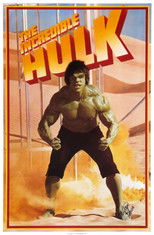
The Incredible Hulk television collection is a poignant and influential series of live-action films that began with the 1977 pilot movie, *The Incredible Hulk*. Centered on Dr. David Banner, a scientist cursed to transform into a raging green monster when angered, the collection unfolds as a deeply human odyssey of loneliness and redemption. Unlike the bombastic superhero tales that would follow decades later, this series is defined by its quiet, road-worn intimacy, following Banner as he hitchhikes across America, forever seeking a cure while compelled to help strangers in need. The haunting piano theme and Bill Bixby's soulful performance imbued the wandering hero with a melancholy that resonated far beyond typical adventure fare, establishing a template for character-driven genre fiction where the explosive transformations were as much a metaphor for repressed trauma as they were moments of thrilling action.
Following the conclusion of the original series, the narrative expanded through a sequence of television movies that deepened the mythology while introducing characters from the broader Marvel canon. These later entries, including reunions with figures like Thor and Daredevil, and a fateful romance in *Bride of the Incredible Hulk*, wove a richer tapestry of heroism and heartbreak. The arc ultimately crescendoed toward a somber, unforgettable finale in *The Death of the Incredible Hulk*, which delivered a poignant closing chapter that honored the character’s inherent tragedy. Together, these installments form a cohesive, emotional saga about the cost of power, the struggle for identity, and the enduring human spirit trapped within an uncontrollable force.
Decades later, this collection endures as a culturally significant interpretation that shaped how audiences understood the character before modern CGI spectacles took hold. It proved that superhero stories could be vehicles for sophisticated moral dilemmas—grappling with isolation, scientific hubris, and the duality of man—without sacrificing visceral excitement. The collection's influence echoes in the way contemporary adaptations still wrestle with Banner’s fractured psyche, yet the television version remains uniquely affecting for its quiet, road-worn intimacy. For generations of viewers, the image of a solitary man hitchhiking down a lonely highway, forever one heartbeat away from chaos, remains the definitive portrait of Marvel’s most human monster.