The Incredible Hulk Collection
Collection 🎬 Collection
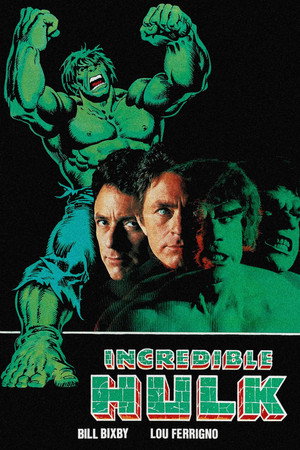
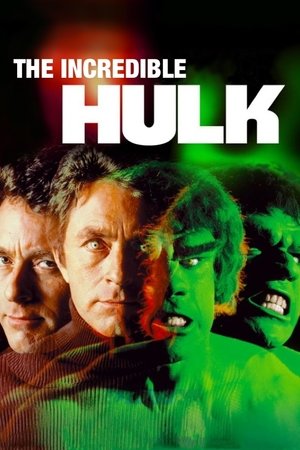
The Incredible Hulk television collection is a poignant and influential series of live-action films that began with the 1977 pilot movie, *The Incredible Hulk*. Centered on Dr. David Banner, a scientist cursed to transform into a raging green monster when angered, the collection unfolds as a deeply human odyssey of loneliness and redemption. Unlike the bombastic superhero tales that would follow decades later, this series is defined by its quiet, road-worn intimacy, following Banner as he hitchhikes across America, forever seeking a cure while compelled to help strangers in need. The haunting piano theme and Bill Bixby's soulful performance imbued the wandering hero with a melancholy that resonated far beyond typical adventure fare, establishing a template for character-driven genre fiction where the explosive transformations were as much a metaphor for repressed trauma as they were moments of thrilling action.
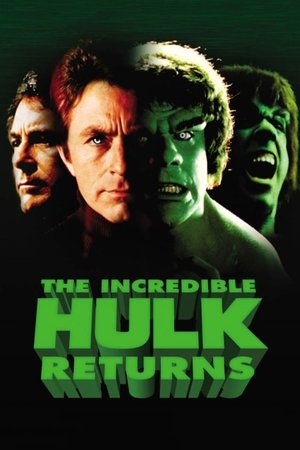
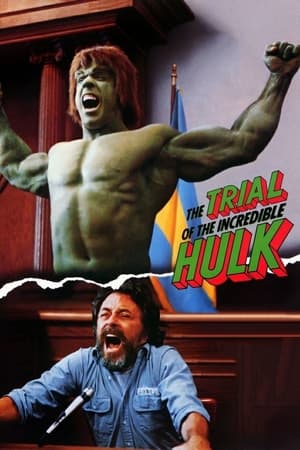
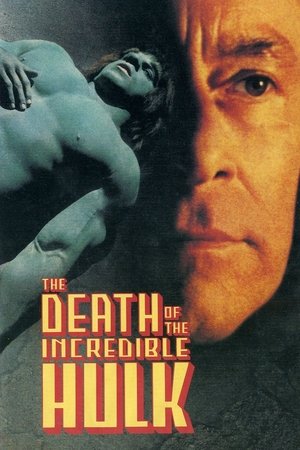
Following the conclusion of the original series, the narrative expanded through a sequence of television movies that deepened the mythology while introducing characters from the broader Marvel canon. These later entries, including reunions with figures like Thor and Daredevil, and a fateful romance in *Bride of the Incredible Hulk*, wove a richer tapestry of heroism and heartbreak. The arc ultimately crescendoed toward a somber, unforgettable finale in *The Death of the Incredible Hulk*, which delivered a poignant closing chapter that honored the character’s inherent tragedy. Together, these installments form a cohesive, emotional saga about the cost of power, the struggle for identity, and the enduring human spirit trapped within an uncontrollable force.
Decades later, this collection endures as a culturally significant interpretation that shaped how audiences understood the character before modern CGI spectacles took hold. It proved that superhero stories could be vehicles for sophisticated moral dilemmas—grappling with isolation, scientific hubris, and the duality of man—without sacrificing visceral excitement. The collection's influence echoes in the way contemporary adaptations still wrestle with Banner’s fractured psyche, yet the television version remains uniquely affecting for its quiet, road-worn intimacy. For generations of viewers, the image of a solitary man hitchhiking down a lonely highway, forever one heartbeat away from chaos, remains the definitive portrait of Marvel’s most human monster.