🎬 Doraemon: Nobita's Treasure Island (2018)
Part of Doraemon Movies
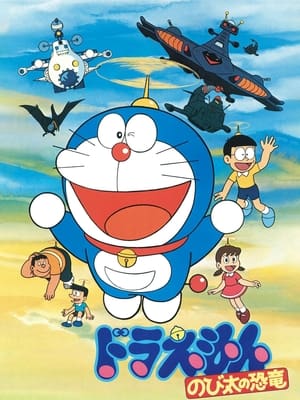
The 38th entry in the long-running Doraemon film franchise, Doraemon: Nobita's Treasure Island, charts a course for high-seas adventure by cleverly fusing its established characters with the classic narrative framework of Robert Louis Stevenson’s Treasure Island. Directed by Kazuaki Imai in his feature debut for the series, the film doesn't attempt a direct translation of the 1883 novel. Instead, it uses the concept of a mysterious, uncharted island and the allure of pirate gold as a launching pad for a distinctly Doraemon-style escapade. The screenplay, penned by Genki Kawamura—the producer behind critically acclaimed hits like Your Name—brings a modern, emotionally resonant sensibility to the story, weaving in themes of family and artificial intelligence that extend far beyond a simple treasure hunt.
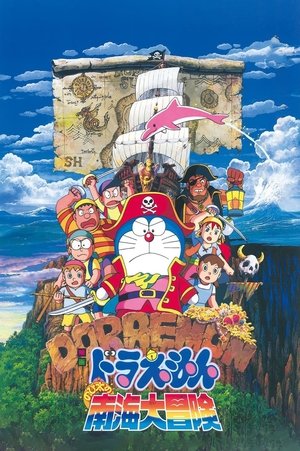
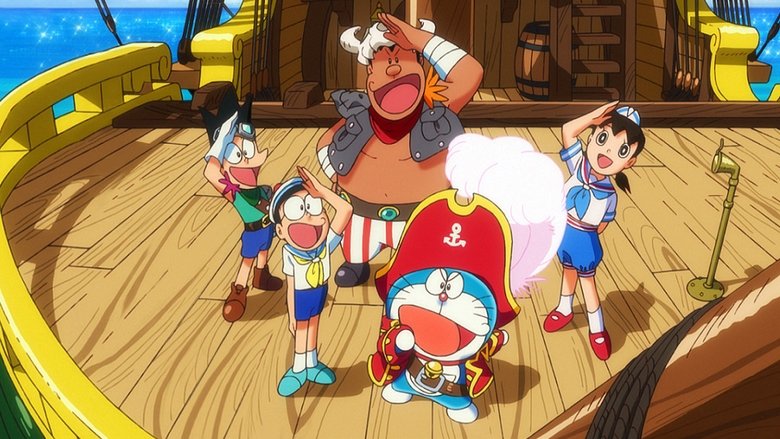
The film begins with a classic Nobita whim: inspired by tales of buccaneers, he dreams of finding a treasure island on a fully mapped Earth. Doraemon obliges with a gadget, a special treasure map, which coincidentally aligns with a breaking news report about a newly discovered landmass. This sets the gang—Nobita, Doraemon, Shizuka, Gian, and Suneo—on a voyage aboard a gadget-powered ship. Their journey quickly turns perilous when they are attacked by pirates, leading them to uncover a technologically advanced secret on the island involving a young boy and a complex antagonist. This shift from a simple pirate fantasy to a science-fiction narrative about memory and paternal legacy marks the film’s most significant departure from both the source novel and typical Doraemon plots.
Critically and commercially, Nobita's Treasure Island became a landmark for the franchise. It was a massive box office success in Japan, becoming the highest-grossing Doraemon film at the time of its release, a testament to its broad appeal and Kawamura’s storytelling pedigree. The animation quality under Imai’s direction was widely praised for its dynamic action sequences and vibrant tropical palette, giving the familiar characters a fresh, cinematic energy. The film’s soundtrack, featuring a theme song by Gen Hoshino, also became a cultural hit, perfectly complementing the movie’s emotional climax and its poignant exploration of what truly constitutes a treasure.
While the Doraemon series has a rich history of adapting literary classics into its own whimsical universe, this particular voyage stands out for its structural ambition. It is not merely a parody or a loose episode stretched to feature length; it is a tightly constructed adventure film that respects the spirit of Stevenson’s novel—the map, the voyage, the pirates, the treasure—while boldly reinventing them. The treasure, in the end, is not gold but a restored connection, making the film a memorable and heartfelt addition to the canon that honors both its 20th-century manga roots and its 19th-century literary inspiration.

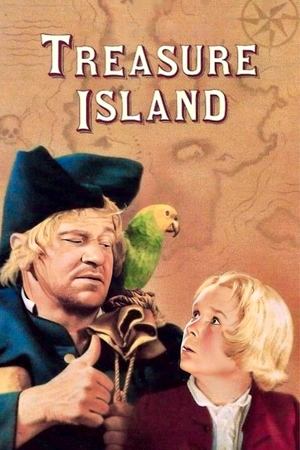
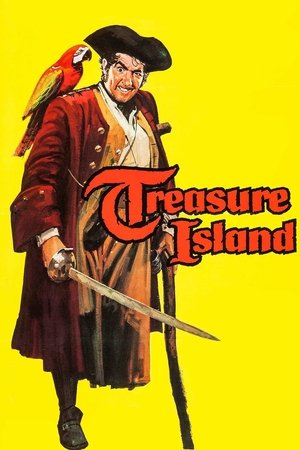
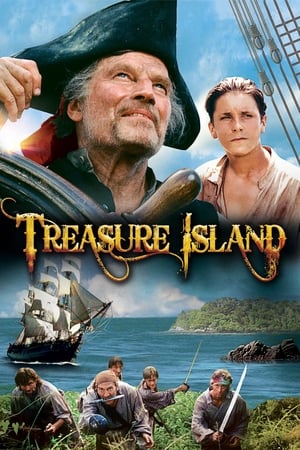
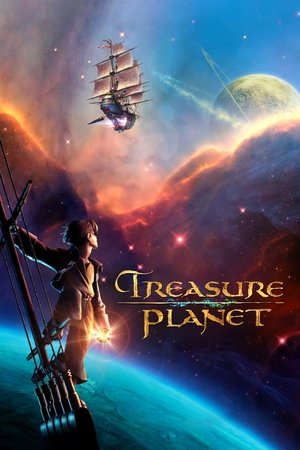
Treasure Island is an adventure novel by Scottish author Robert Louis Stevenson, first published as a book in 1883. Originally serialized in the children's magazine Young Folks from 1881 to 1882 under the title Treasure Island or the Mutiny of the Hispaniola, it tells the story of young Jim Hawkins, who discovers a treasure map and sets sail aboard the Hispaniola to find the buried fortune of the legendary pirate Captain Flint. Along the way, he encounters the charismatic and cunning one-legged sea cook Long John Silver, whose mutinous intentions put Jim and his companions in mortal danger.
Set in the mid-18th century, the novel is celebrated as a classic coming-of-age story, blending high-seas adventure with rich character studies. Stevenson's vivid depiction of pirates, treasure maps marked with an 'X,' deserted islands, and parrots perched on shoulders has profoundly shaped the popular image of piracy in Western culture. The novel's themes of loyalty, greed, and moral ambiguity, particularly embodied by the complex figure of Long John Silver, have ensured its enduring appeal.
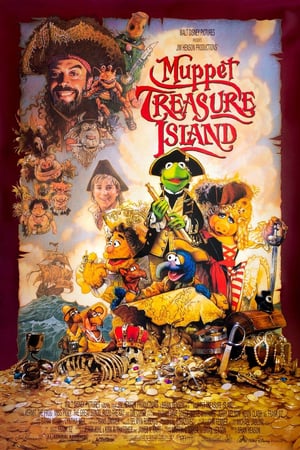
Since its publication, Treasure Island has become one of the most frequently adapted works in literature, inspiring countless films, television series, stage productions, and other media. Its influence extends far beyond direct adaptations, having essentially created the modern pirate archetype that dominates books, movies, and folklore.

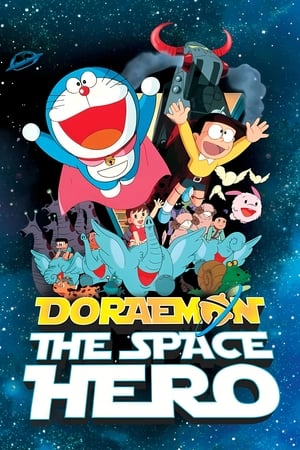
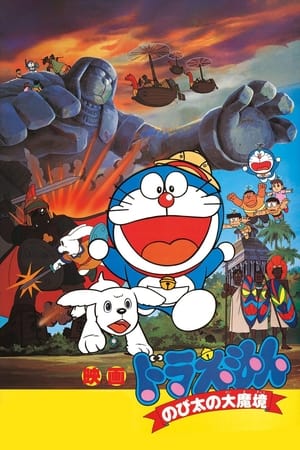
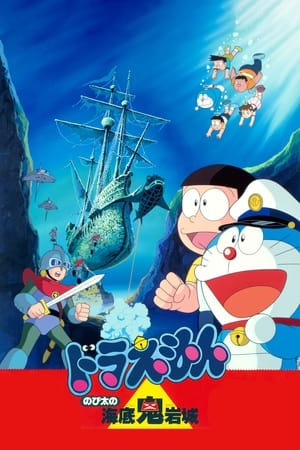
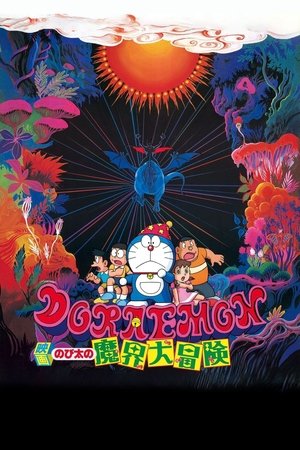
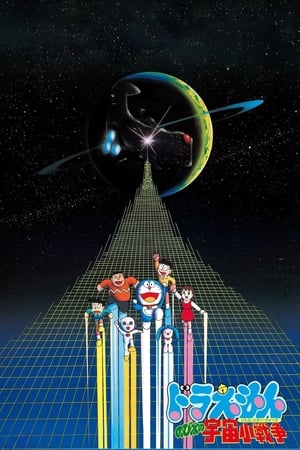
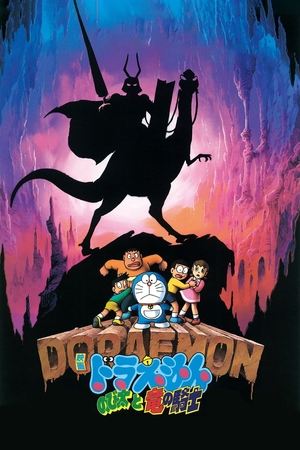
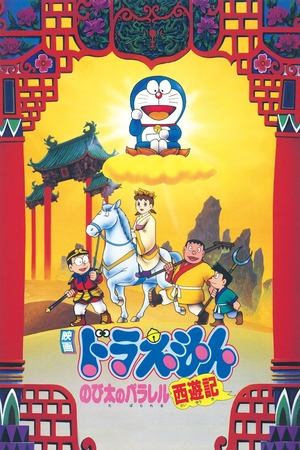
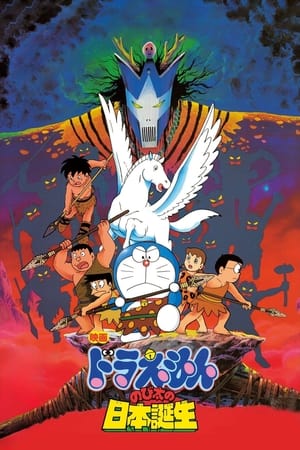
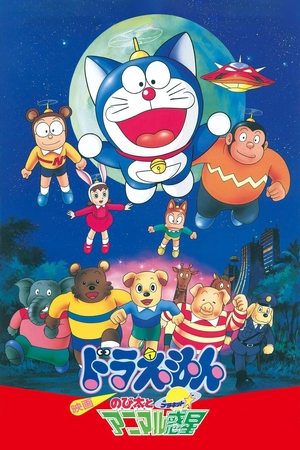
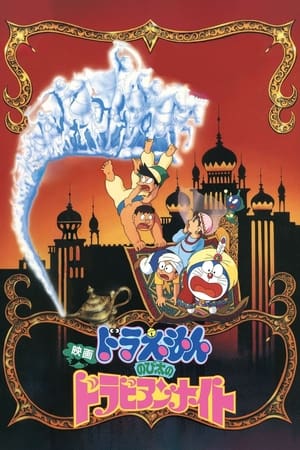
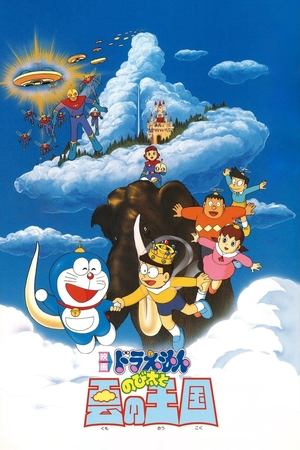
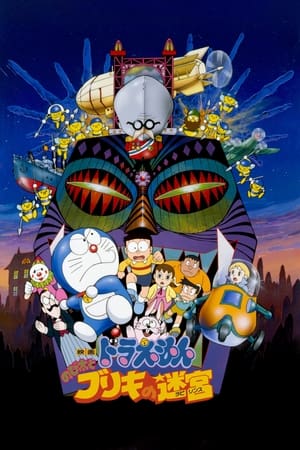
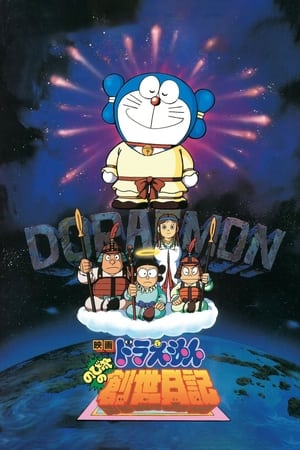
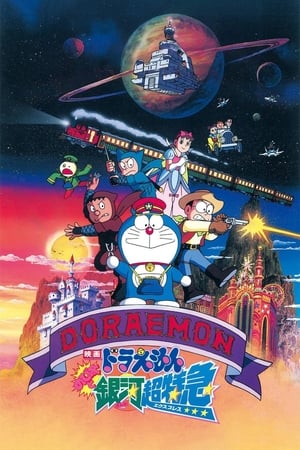
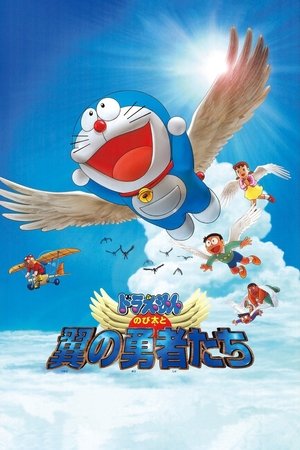
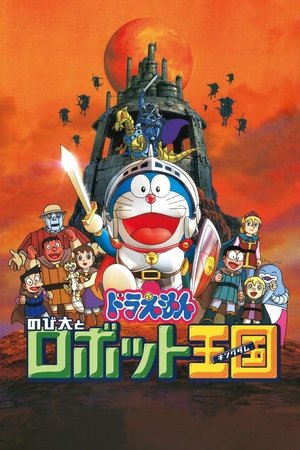
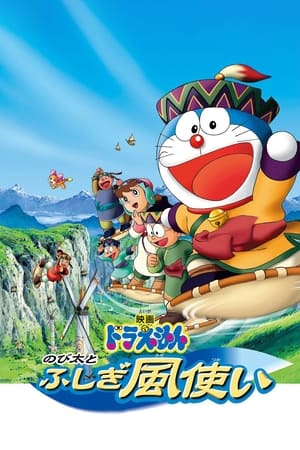
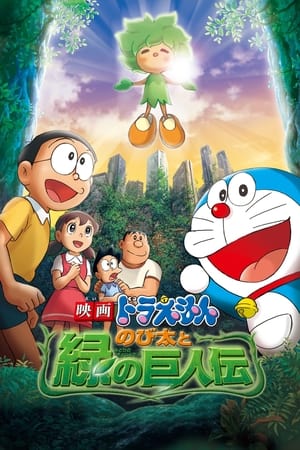
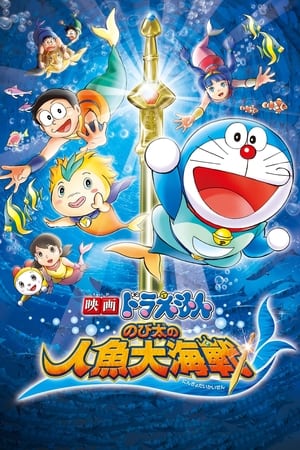
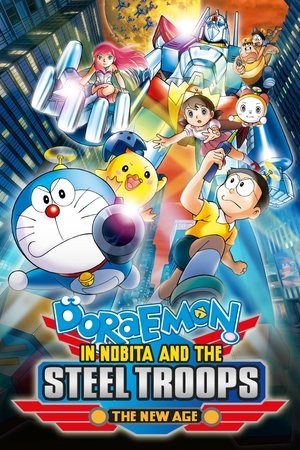
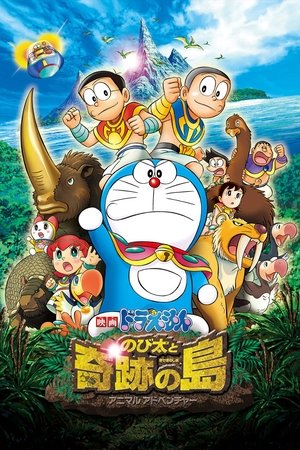
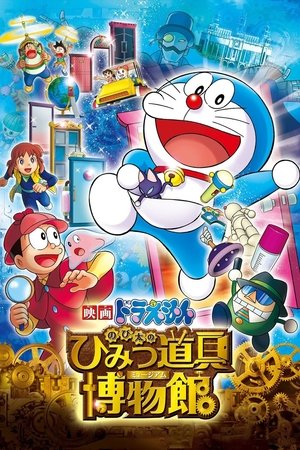
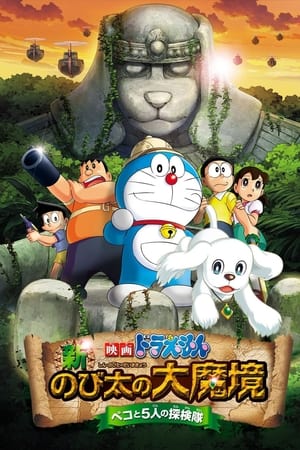
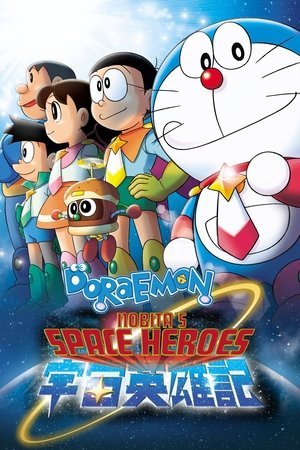
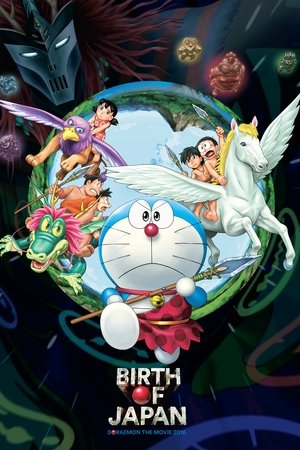
The Doraemon film series is a long-running collection of animated feature films based on the beloved manga and anime franchise created by Fujiko F. Fujio. Beginning in 1980 with 'Doraemon: Nobita's Dinosaur', the series has become an annual tradition in Japanese cinema, with new installments released almost every spring. These films typically follow the titular robotic cat from the 22nd century and his young friend Nobita Nobi as they embark on extraordinary adventures across time, space, and fantastical realms, often utilizing Doraemon's ingenious gadgets from his four-dimensional pocket. While the original manga and television series focus on everyday slice-of-life scenarios, the movies expand the narrative scope, introducing higher stakes, epic journeys, and environmental or moral themes that resonate with family audiences. The series has evolved through different eras of animation and storytelling, with many early films being direct adaptations of manga storylines, while later entries explore original plots and even reimaginings of classic tales. This enduring collection has cemented Doraemon as a cornerstone of Japanese popular culture, with the films consistently drawing large audiences and contributing to the character's status as an official cultural ambassador of Japan.