🎬 Treasure Island (1950)
Part of Long John Silver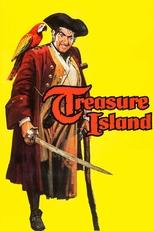
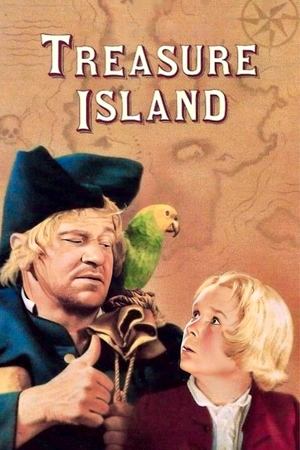
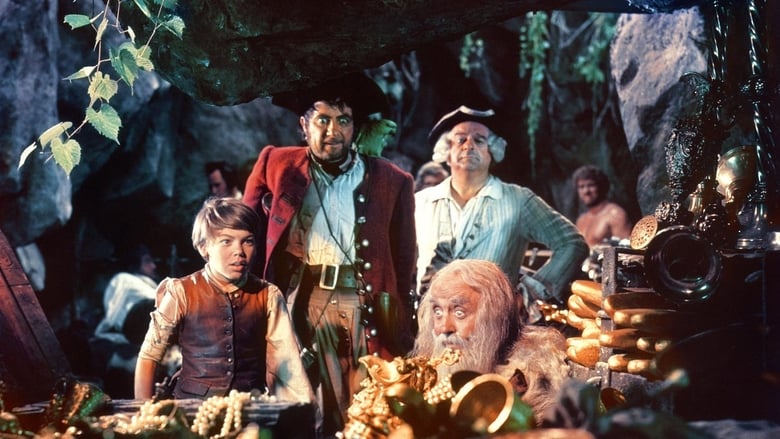
Walt Disney's 1950 adaptation of Treasure Island holds a landmark place in cinema history as the studio's very first completely live-action feature film, a bold departure from its animated legacy. Shot in vibrant Technicolor on location in the United Kingdom, the film brought Robert Louis Stevenson's beloved adventure novel to life with a vividness that had never been seen before on screen. Directed by Byron Haskin, the production leaned heavily into the atmosphere of 18th-century seafaring, from the creaking timbers of the Hispaniola to the windswept English coast, creating a tangible world for young Jim Hawkins to navigate. The casting of Bobby Driscoll, a popular child star of the era, as Jim grounded the story in a youthful perspective, making the perilous quest for Captain Flint's buried gold feel immediate and personal.
However, the film is overwhelmingly remembered for one towering performance: Robert Newton as Long John Silver. Newton did not merely play the one-legged sea cook; he invented the modern cinematic pirate. With his rolling, exaggerated West Country accent, wild-eyed glares, and unpredictable swings between avuncular charm and ruthless menace, Newton created an archetype that would be imitated, parodied, and referenced for decades to come. His interpretation is so definitive that it is directly responsible for the stereotypical "pirate voice" heard in everything from Halloween costumes to animated features. The film wisely centers this magnetic, morally ambiguous figure, making the dynamic between Silver and Jim the emotional core of the story, a relationship that is more complex and compelling than a simple hero-villain dichotomy.
While the adaptation is generally faithful to the novel's major plot beats—the arrival of Billy Bones, the discovery of the map, the mutiny led by Silver, and the frantic search for the treasure—it makes necessary concessions to its medium and audience. The pacing is tightened for a feature-length runtime, and some of the novel's darker psychological edges are softened for a family audience, though Newton's Silver retains a genuinely frightening volatility. The film also takes full advantage of its color photography and set design, staging thrilling action sequences, including the storming of the stockade, that became a template for future pirate adventures. It was a significant financial success for Disney, proving the viability of the studio's live-action productions and paving the way for a long tradition of literary adaptations.
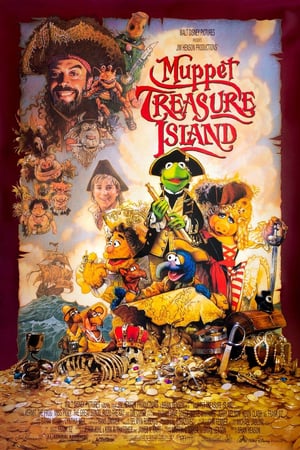
Newton's portrayal proved so popular that he reprised the role in a standalone sequel, Long John Silver (1954), and an accompanying television series, further cementing his interpretation in the public consciousness. The 1950 Treasure Island remains not just a faithful and spirited retelling of Stevenson's classic, but a foundational text in the visual language of piracy. Its influence echoes through every subsequent adaptation, from the Muppets to premium cable dramas, all of which must inevitably grapple with the long, charismatic shadow cast by Robert Newton's Silver.

Treasure Island is an adventure novel by Scottish author Robert Louis Stevenson, first published as a book in 1883. Originally serialized in the children's magazine Young Folks from 1881 to 1882 under the title Treasure Island or the Mutiny of the Hispaniola, it tells the story of young Jim Hawkins, who discovers a treasure map and sets sail aboard the Hispaniola to find the buried fortune of the legendary pirate Captain Flint. Along the way, he encounters the charismatic and cunning one-legged sea cook Long John Silver, whose mutinous intentions put Jim and his companions in mortal danger.
Set in the mid-18th century, the novel is celebrated as a classic coming-of-age story, blending high-seas adventure with rich character studies. Stevenson's vivid depiction of pirates, treasure maps marked with an 'X,' deserted islands, and parrots perched on shoulders has profoundly shaped the popular image of piracy in Western culture. The novel's themes of loyalty, greed, and moral ambiguity, particularly embodied by the complex figure of Long John Silver, have ensured its enduring appeal.
Since its publication, Treasure Island has become one of the most frequently adapted works in literature, inspiring countless films, television series, stage productions, and other media. Its influence extends far beyond direct adaptations, having essentially created the modern pirate archetype that dominates books, movies, and folklore.
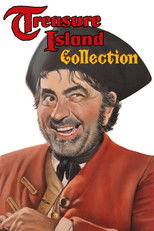
The Long John Silver collection comprises two live-action Disney films from the 1950s that together redefined the popular image of the pirate. Originating with the studio’s 1950 adaptation of Robert Louis Stevenson’s *Treasure Island*, the collection introduced Robert Newton’s portrayal of the cunning, one-legged sea cook. Newton’s performance—with its exaggerated West Country accent, wild-eyed charisma, and boisterous “Arrr”—did more than serve the character; it essentially invented the modern pop-culture archetype of the pirate, establishing a template endlessly replicated in stage, screen, and theme park entertainment. This first film blended high-seas adventure with a darkly complex anti-hero whose shifting loyalties made him both a terrifying threat and a strangely endearing figure to young Jim Hawkins.
The narrative continued beyond Stevenson’s original text with the 1954 standalone sequel, *Long John Silver*, which saw Newton return to the role. This follow-up transformed the morally ambiguous antagonist into a full-fledged, albeit still roguish, protagonist. Where the first film ended with Silver’s ambiguous escape, the sequel charted his further quests for fortune and his ongoing rivalry with the vengeful Mendoza, proving the character could sustain a narrative independent of Jim Hawkins’ coming-of-age story. The film was later serialized for television as *The Adventures of Long John Silver*, extending its reach and cementing the character’s place in mid-century adventure entertainment.
As a duology, the Long John Silver collection represents a pivotal moment in the golden age of film and television adventure serials. Its cultural footprint is immense, permanently altering the global perception of piracy by replacing historical reality with Newton’s theatrical, salty dialect and flamboyant mannerisms. The collection endures not merely as a pair of films, but as the foundational text for the romanticized, rum-soaked rogue that sails through the collective imagination.