🎬 Muppet Treasure Island (1996)
Part of Muppets
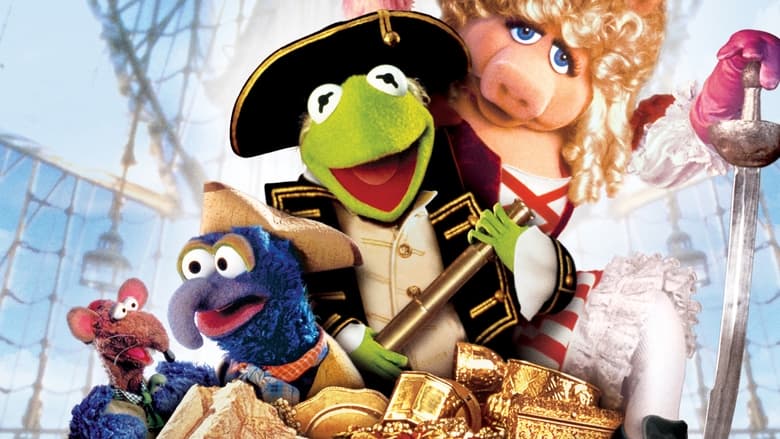
Muppet Treasure Island is a 1996 musical comedy that brings together two beloved institutions: Robert Louis Stevenson's classic 1883 adventure novel and Jim Henson's Muppets. Directed by Brian Henson, the film follows the broad strokes of Stevenson's plot while injecting the anarchic humor, musical numbers, and fourth-wall-breaking antics that define the Muppets' style. Tim Curry delivers a gloriously theatrical performance as Long John Silver, playing the role completely straight against a cast of felt co-stars, which only heightens the comedy.
The adaptation makes several clever changes to accommodate its Muppet cast. Kermit the Frog appears as the cautious Captain Smollett, Miss Piggy plays a newly invented character named Benjamina Gunn (a romantic interest for Silver), and the Great Gonzo and Rizzo the Rat are written into the story as Jim Hawkins' best friends, serving as comic relief and occasional narrators. The film also introduces Kevin Bishop as Jim Hawkins, one of the few human leads, grounding the story with a genuine coming-of-age arc amidst the puppet chaos.
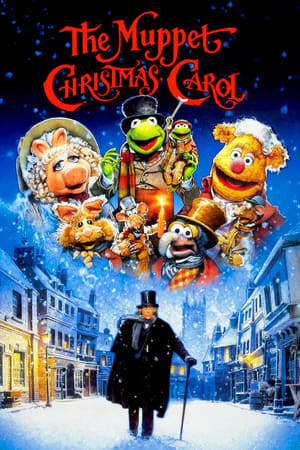
Like its predecessor The Muppet Christmas Carol, the film balances faithful adaptation with Muppet absurdity. The musical numbers, penned by songwriter Barry Mann and Cynthia Weil, range from rousing pirate shanties to the surprisingly heartfelt ballad "Love Led Us Here." While it did not achieve the same level of critical acclaim as The Muppet Christmas Carol, Muppet Treasure Island has developed a devoted cult following over the years, praised for Curry's committed performance and its willingness to embrace both the swashbuckling spirit of Stevenson's novel and the joyful silliness of the Muppets.

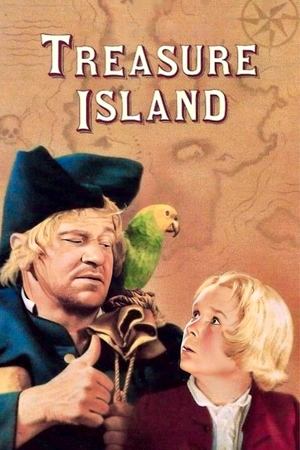
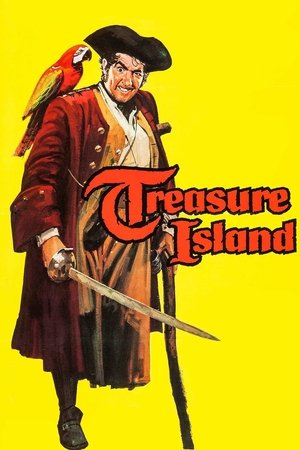
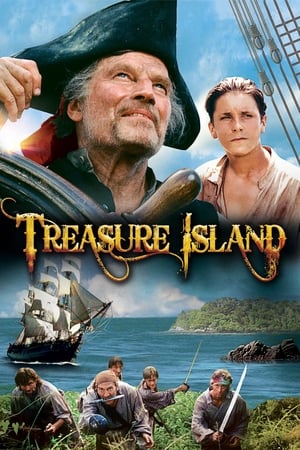
Treasure Island is an adventure novel by Scottish author Robert Louis Stevenson, first published as a book in 1883. Originally serialized in the children's magazine Young Folks from 1881 to 1882 under the title Treasure Island or the Mutiny of the Hispaniola, it tells the story of young Jim Hawkins, who discovers a treasure map and sets sail aboard the Hispaniola to find the buried fortune of the legendary pirate Captain Flint. Along the way, he encounters the charismatic and cunning one-legged sea cook Long John Silver, whose mutinous intentions put Jim and his companions in mortal danger.
Set in the mid-18th century, the novel is celebrated as a classic coming-of-age story, blending high-seas adventure with rich character studies. Stevenson's vivid depiction of pirates, treasure maps marked with an 'X,' deserted islands, and parrots perched on shoulders has profoundly shaped the popular image of piracy in Western culture. The novel's themes of loyalty, greed, and moral ambiguity, particularly embodied by the complex figure of Long John Silver, have ensured its enduring appeal.
Since its publication, Treasure Island has become one of the most frequently adapted works in literature, inspiring countless films, television series, stage productions, and other media. Its influence extends far beyond direct adaptations, having essentially created the modern pirate archetype that dominates books, movies, and folklore.
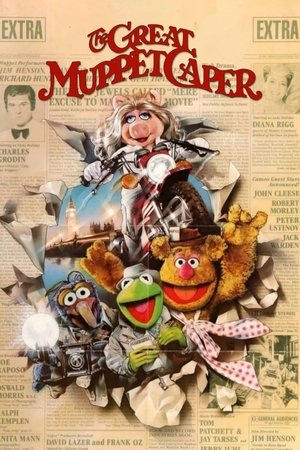
The Muppets are a beloved ensemble of puppet characters created by Jim Henson, first emerging in the 1950s through television appearances and commercials before achieving widespread fame. Henson's innovative approach to puppetry—using soft, flexible materials and precise hand-and-rod manipulation—allowed for expressive performances that blended humor, music, and heartfelt storytelling. The characters evolved from early variety show sketches into a full-fledged media property, anchored by the landmark television series *The Muppet Show*, which ran from 1976 to 1981 and introduced the world to Kermit the Frog, Miss Piggy, Fozzie Bear, Gonzo, and a host of other distinctive personalities. This series established the Muppets' signature format: a chaotic backstage comedy set in a vaudeville theater, where the puppets interacted with human guest stars in a celebration of show business itself. The success of the show propelled the Muppets into feature films, beginning with *The Muppet Movie* in 1979, which expanded their universe beyond the theater while retaining the meta-humor and musical charm that defined them. Over the following decades, the Muppets starred in a series of theatrical releases that explored different genres—from the heist comedy of *The Great Muppet Caper* to literary adaptations like *The Muppet Christmas Carol* and *Muppet Treasure Island*—each time infusing the material with their unique blend of wit, warmth, and self-aware absurdity. This collection of films, along with subsequent television specials and series, forms a cohesive body of work that consistently emphasizes themes of friendship, perseverance, and the joy of performance. The Muppets are portrayed as a makeshift family of dreamers and misfits who, despite their flaws and frequent disasters, always rally together to put on a show. Their humor operates on multiple levels: slapstick and visual gags for children, and clever wordplay, satire, and cultural references for adults, making the property a rare example of genuine cross-generational entertainment. Culturally, the Muppets have become enduring icons, recognized globally for their positive spirit and creative legacy. After Disney acquired the characters in 2004, the franchise saw a revival with films like *The Muppets* (2011) and *Muppets Most Wanted* (2014), which reintroduced the characters to a new generation while honoring their classic sensibilities. The Muppets' influence extends beyond film and television into music, merchandise, and theme park attractions, cementing their status as a significant and beloved part of popular culture.