🎬 The Muppets Take Manhattan (1984)
Part of Muppets
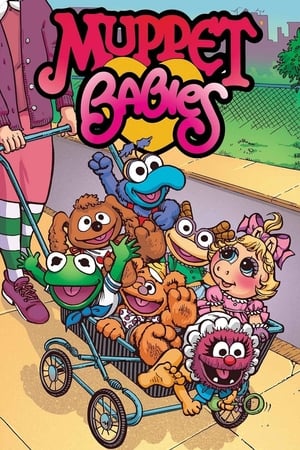
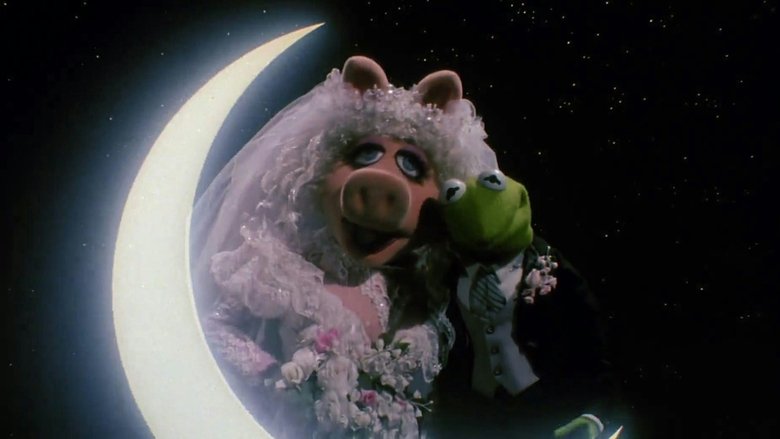
The Muppets Take Manhattan is a 1984 American musical comedy and the third theatrical film featuring Jim Henson's beloved Muppets. Directed by Frank Oz in his solo directorial debut, the film follows Kermit the Frog, Miss Piggy, Fozzie Bear, and the entire gang as they graduate from college and head to New York City with dreams of taking their original musical revue, Manhattan Melodies, to Broadway. The story captures the classic struggle of aspiring artists, as the group faces rejection, financial hardship, and the pressure to split up and get "real jobs," testing their friendship and collective ambition. The film is particularly notable for a whimsical fantasy sequence in which Miss Piggy imagines what the Muppets were like as babies, a concept so popular it directly spawned the hit animated television series Muppet Babies.
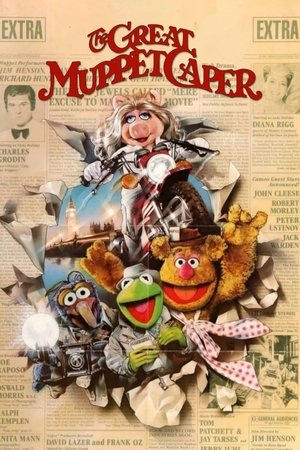
As a standalone sequel to The Great Muppet Caper, this installment shifts the tone from a caper parody to a more heartfelt, coming-of-age story set against the real-world backdrop of Manhattan. It was the first Muppet film not to feature a primary human antagonist, instead focusing on internal group dynamics and the universal challenge of making it in show business. The film features a memorable original score by Jeff Moss, including the classic songs "Together Again" and "Saying Goodbye," and boasts a remarkable lineup of celebrity cameos, from Liza Minnelli and Joan Rivers to Gregory Hines and Brooke Shields, all appearing as themselves in the bustling city.
Critically, the film was well-received for its sophisticated puppetry, particularly the groundbreaking scene of multiple Muppets riding bicycles in Central Park, which required elaborate rigging and puppeteers hidden in the frame. While some critics noted the script was more sentimental and less gag-driven than its predecessors, the emotional core and technical ambition were widely praised. The film was a box office success, grossing $25.5 million against an $8 million budget, cementing the Muppets' viability on the big screen and paving the way for future projects. It remains a beloved entry in the franchise, often remembered for its optimistic spirit and the enduring image of the Muppets finally making it on Broadway.
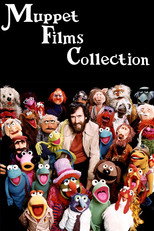
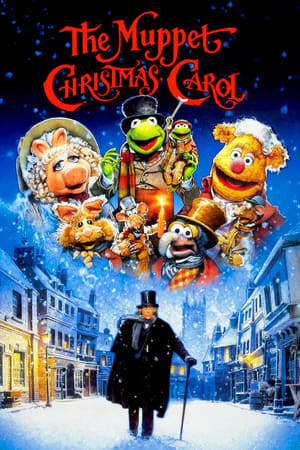
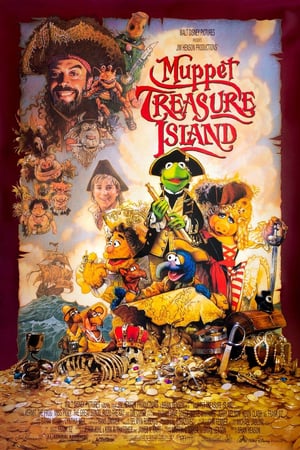
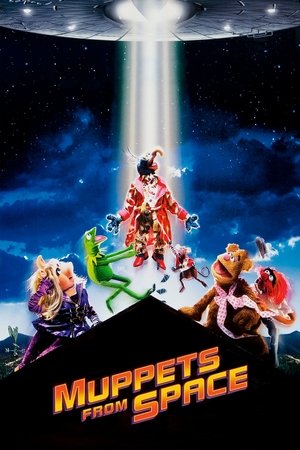
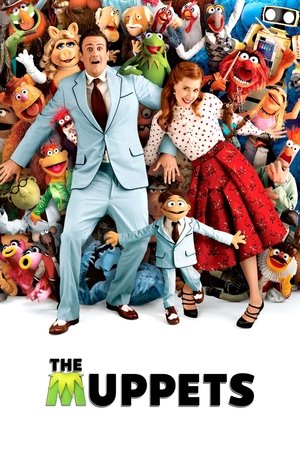
The Muppets are a beloved ensemble of puppet characters created by Jim Henson, first emerging in the 1950s through television appearances and commercials before achieving widespread fame. Henson's innovative approach to puppetry—using soft, flexible materials and precise hand-and-rod manipulation—allowed for expressive performances that blended humor, music, and heartfelt storytelling. The characters evolved from early variety show sketches into a full-fledged media property, anchored by the landmark television series *The Muppet Show*, which ran from 1976 to 1981 and introduced the world to Kermit the Frog, Miss Piggy, Fozzie Bear, Gonzo, and a host of other distinctive personalities. This series established the Muppets' signature format: a chaotic backstage comedy set in a vaudeville theater, where the puppets interacted with human guest stars in a celebration of show business itself. The success of the show propelled the Muppets into feature films, beginning with *The Muppet Movie* in 1979, which expanded their universe beyond the theater while retaining the meta-humor and musical charm that defined them. Over the following decades, the Muppets starred in a series of theatrical releases that explored different genres—from the heist comedy of *The Great Muppet Caper* to literary adaptations like *The Muppet Christmas Carol* and *Muppet Treasure Island*—each time infusing the material with their unique blend of wit, warmth, and self-aware absurdity. This collection of films, along with subsequent television specials and series, forms a cohesive body of work that consistently emphasizes themes of friendship, perseverance, and the joy of performance. The Muppets are portrayed as a makeshift family of dreamers and misfits who, despite their flaws and frequent disasters, always rally together to put on a show. Their humor operates on multiple levels: slapstick and visual gags for children, and clever wordplay, satire, and cultural references for adults, making the property a rare example of genuine cross-generational entertainment. Culturally, the Muppets have become enduring icons, recognized globally for their positive spirit and creative legacy. After Disney acquired the characters in 2004, the franchise saw a revival with films like *The Muppets* (2011) and *Muppets Most Wanted* (2014), which reintroduced the characters to a new generation while honoring their classic sensibilities. The Muppets' influence extends beyond film and television into music, merchandise, and theme park attractions, cementing their status as a significant and beloved part of popular culture.