🎬 The Great Muppet Caper (1981)
Part of Muppets
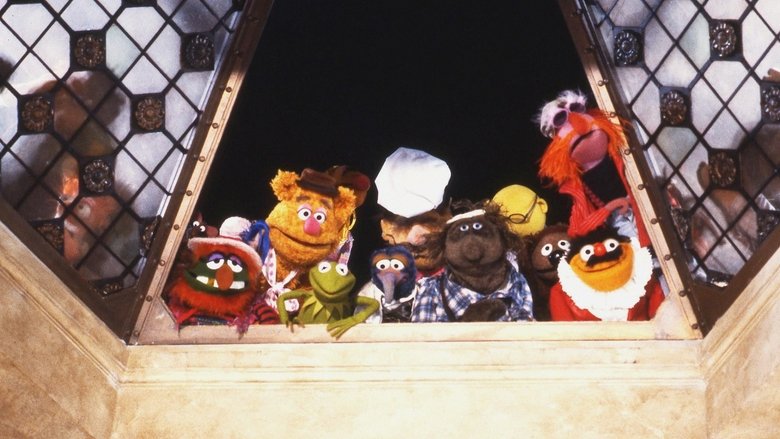
The Great Muppet Caper is a 1981 musical heist comedy and the second theatrical feature film to star Jim Henson's beloved cast of felt-and-fur characters. Picking up after the events of The Muppet Movie, this standalone sequel transports Kermit the Frog, Fozzie Bear, and Gonzo the Great to London, where they play investigative reporters for The Daily Chronicle. When they are assigned to cover a high-profile jewel theft, the trio bungle their way into a glamorous world of fashion models, nightclub owners, and a cunningly orchestrated diamond heist. The film marked Jim Henson's feature directorial debut and remains the only Muppet film he personally directed.
Unlike its predecessor, which was a road-movie origin story, The Great Muppet Caper leans fully into classic caper tropes, complete with mistaken identities, a motorcycle chase, and a climactic showdown in a grand London mansion. The human cast is led by Charles Grodin as the charmingly smitten jewel thief Nicky Holiday and Diana Rigg as the elegant fashion designer Lady Holiday. The film is also famous for its witty, fourth-wall-breaking humor—characters frequently acknowledge they are in a movie, even pointing out the script at one point—and for a parade of cameos from British acting royalty including John Cleese, Peter Ustinov, and Robert Morley.
Shot entirely in the United Kingdom in 1980, the production allowed the Muppet performers to take advantage of iconic London locations and elaborate studio sets. The musical numbers, written by Joe Raposo, range from the Oscar-nominated toe-tapper "The First Time It Happens" to the water-ballet spectacle "Miss Piggy's Fantasy." Critics praised the film for its clever script, energetic pacing, and the seamless integration of puppetry with live action, and it performed solidly at the box office, grossing over $31 million against a $14 million budget.
A delightful trivia note for eagle-eyed viewers: the film features a blink-and-you'll-miss-it cameo by a very young Peter Falk, and the closing credits include a running gag where the Muppets themselves complain about their billing. The Great Muppet Caper is often cited by fans as one of the strongest entries in the Muppets' cinematic canon, cementing the formula of mixing heartfelt character moments with rapid-fire gags and splashy musical set-pieces that would define the franchise for decades.
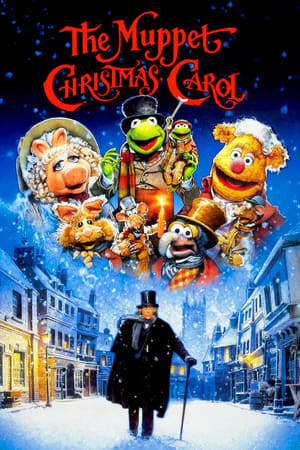
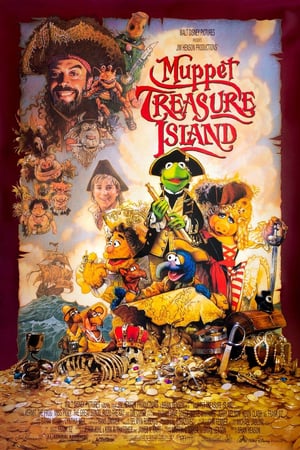
The Muppets are a beloved ensemble of puppet characters created by Jim Henson, first emerging in the 1950s through television appearances and commercials before achieving widespread fame. Henson's innovative approach to puppetry—using soft, flexible materials and precise hand-and-rod manipulation—allowed for expressive performances that blended humor, music, and heartfelt storytelling. The characters evolved from early variety show sketches into a full-fledged media property, anchored by the landmark television series *The Muppet Show*, which ran from 1976 to 1981 and introduced the world to Kermit the Frog, Miss Piggy, Fozzie Bear, Gonzo, and a host of other distinctive personalities. This series established the Muppets' signature format: a chaotic backstage comedy set in a vaudeville theater, where the puppets interacted with human guest stars in a celebration of show business itself. The success of the show propelled the Muppets into feature films, beginning with *The Muppet Movie* in 1979, which expanded their universe beyond the theater while retaining the meta-humor and musical charm that defined them. Over the following decades, the Muppets starred in a series of theatrical releases that explored different genres—from the heist comedy of *The Great Muppet Caper* to literary adaptations like *The Muppet Christmas Carol* and *Muppet Treasure Island*—each time infusing the material with their unique blend of wit, warmth, and self-aware absurdity. This collection of films, along with subsequent television specials and series, forms a cohesive body of work that consistently emphasizes themes of friendship, perseverance, and the joy of performance. The Muppets are portrayed as a makeshift family of dreamers and misfits who, despite their flaws and frequent disasters, always rally together to put on a show. Their humor operates on multiple levels: slapstick and visual gags for children, and clever wordplay, satire, and cultural references for adults, making the property a rare example of genuine cross-generational entertainment. Culturally, the Muppets have become enduring icons, recognized globally for their positive spirit and creative legacy. After Disney acquired the characters in 2004, the franchise saw a revival with films like *The Muppets* (2011) and *Muppets Most Wanted* (2014), which reintroduced the characters to a new generation while honoring their classic sensibilities. The Muppets' influence extends beyond film and television into music, merchandise, and theme park attractions, cementing their status as a significant and beloved part of popular culture.