🎬 The Muppet Christmas Carol (1992)
Part of Muppets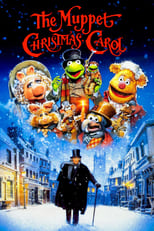
The Muppet Christmas Carol is a delightful and surprisingly faithful adaptation of Charles Dickens' 1843 novella A Christmas Carol, filtered through the irreverent and heartwarming lens of Jim Henson's Muppets. Released in 1992, it was the fourth Muppet theatrical feature and the first produced after the death of creator Jim Henson, with his son Brian Henson stepping into the director's chair. The film is dedicated to both Jim Henson and performer Richard Hunt, marking a poignant transition for the beloved franchise.
The film makes the brilliant decision to cast a human actor, Michael Caine, in the central role of Ebenezer Scrooge, while populating the rest of Dickens' world with Muppets. Caine famously played the role completely straight, treating his felt co-stars as if they were members of the Royal Shakespeare Company, a choice that grounds the film's emotional core. Kermit the Frog plays Bob Cratchit, Miss Piggy is Emily Cratchit, and Gonzo the Great narrates the story as Charles Dickens himself, accompanied by Rizzo the Rat for comic relief. The film takes some artistic license, notably adding original songs by Paul Williams, but follows the structure and moral journey of the novella remarkably closely.
One notable aspect of the film's history involves the song "When Love Is Gone," a heartfelt ballad sung by Scrooge's lost love, Belle. The song was cut from the original theatrical release for pacing reasons, a decision Brian Henson later regretted. For years, the footage was believed lost, but it was eventually restored for the film's 30th anniversary re-release on Disney+, allowing audiences to finally see the complete vision. The Muppet Christmas Carol has grown immensely in reputation since its modest box office debut and is now widely regarded as one of the greatest Christmas films ever made, cherished for its humor, its music, and its sincere emotional power.

A Christmas Carol is a novella by Charles Dickens, first published in London by Chapman & Hall in 1843. It tells the story of Ebenezer Scrooge, a miserly old man who despises Christmas and mistreats those around him. On Christmas Eve, he is visited by the ghost of his former business partner, Jacob Marley, and the Spirits of Christmas Past, Present, and Yet to Come. Through these supernatural encounters, Scrooge is forced to confront his own cruelty and isolation, ultimately transforming into a kind and generous man who embraces the spirit of the holiday.
The novella was an immediate critical and popular success, reviving interest in Christmas traditions in Victorian England. Dickens wrote it during a period of social reflection on poverty and inequality, and the book's themes of compassion, redemption, and social responsibility resonated deeply with readers. Its vivid characters—from the pitiful Tiny Tim to the jovial Fezziwig—have become archetypes of the season.
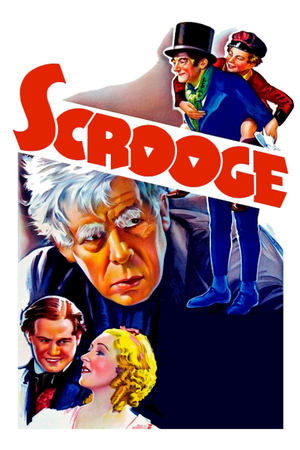
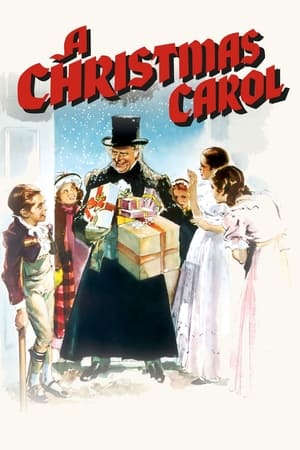
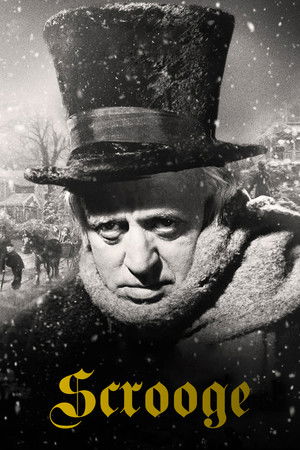
A Christmas Carol has never been out of print and has been adapted countless times across every medium, including stage, film, television, opera, ballet, and radio. Its structure and moral message have made it one of the most enduring and frequently retold stories in the English language, cementing its place as a cornerstone of Christmas culture worldwide.
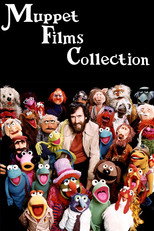
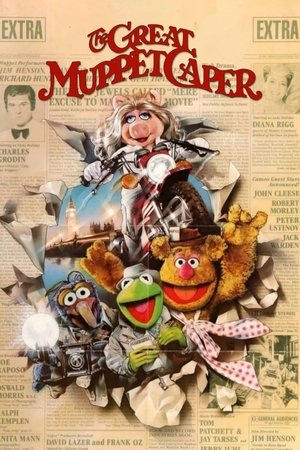
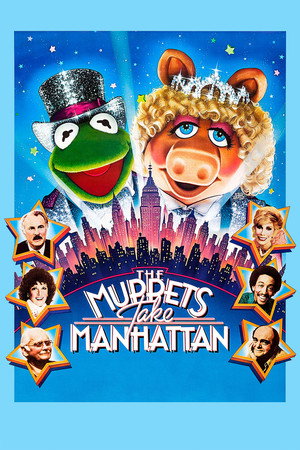
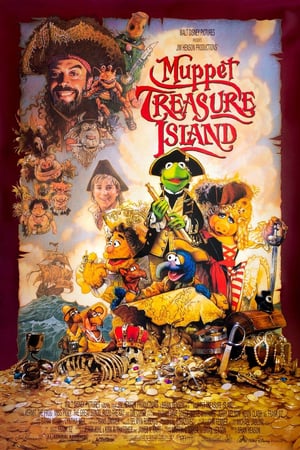
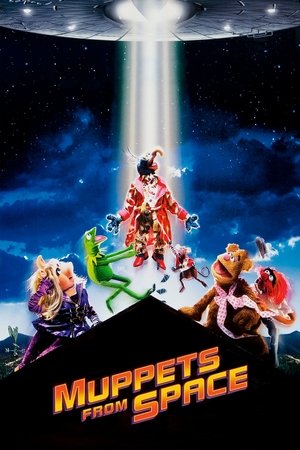
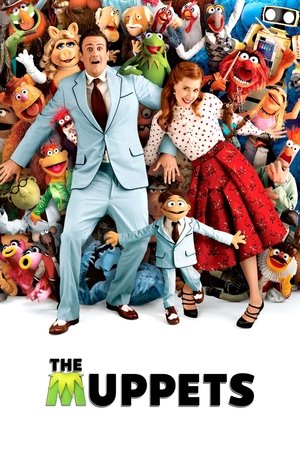
The Muppets are a beloved ensemble of puppet characters created by Jim Henson, first emerging in the 1950s through television appearances and commercials before achieving widespread fame. Henson's innovative approach to puppetry—using soft, flexible materials and precise hand-and-rod manipulation—allowed for expressive performances that blended humor, music, and heartfelt storytelling. The characters evolved from early variety show sketches into a full-fledged media property, anchored by the landmark television series *The Muppet Show*, which ran from 1976 to 1981 and introduced the world to Kermit the Frog, Miss Piggy, Fozzie Bear, Gonzo, and a host of other distinctive personalities. This series established the Muppets' signature format: a chaotic backstage comedy set in a vaudeville theater, where the puppets interacted with human guest stars in a celebration of show business itself. The success of the show propelled the Muppets into feature films, beginning with *The Muppet Movie* in 1979, which expanded their universe beyond the theater while retaining the meta-humor and musical charm that defined them. Over the following decades, the Muppets starred in a series of theatrical releases that explored different genres—from the heist comedy of *The Great Muppet Caper* to literary adaptations like *The Muppet Christmas Carol* and *Muppet Treasure Island*—each time infusing the material with their unique blend of wit, warmth, and self-aware absurdity. This collection of films, along with subsequent television specials and series, forms a cohesive body of work that consistently emphasizes themes of friendship, perseverance, and the joy of performance. The Muppets are portrayed as a makeshift family of dreamers and misfits who, despite their flaws and frequent disasters, always rally together to put on a show. Their humor operates on multiple levels: slapstick and visual gags for children, and clever wordplay, satire, and cultural references for adults, making the property a rare example of genuine cross-generational entertainment. Culturally, the Muppets have become enduring icons, recognized globally for their positive spirit and creative legacy. After Disney acquired the characters in 2004, the franchise saw a revival with films like *The Muppets* (2011) and *Muppets Most Wanted* (2014), which reintroduced the characters to a new generation while honoring their classic sensibilities. The Muppets' influence extends beyond film and television into music, merchandise, and theme park attractions, cementing their status as a significant and beloved part of popular culture.