🎬 A Christmas Carol (1938)
Based on novel
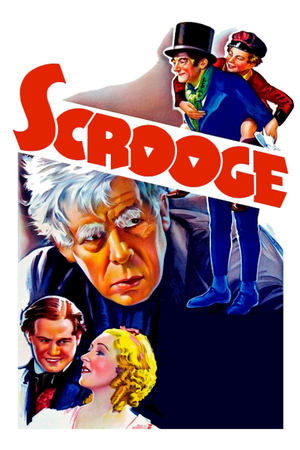
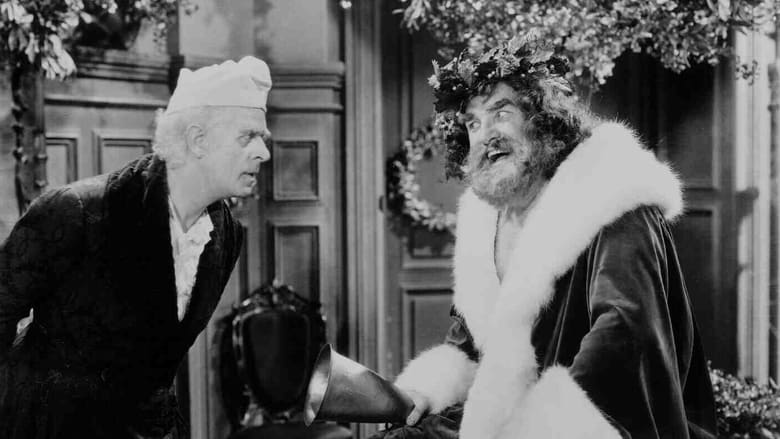
Charles Dickens's 1843 novella A Christmas Carol is one of the most frequently adapted stories in the history of film and television, and the 1938 MGM production holds the distinction of being the first Hollywood studio adaptation of the tale. Directed by Edwin L. Marin, this version arrived during the Golden Age of Hollywood and offered Depression-era audiences a lavish, family-friendly take on the classic Victorian ghost story. It stars Reginald Owen as Ebenezer Scrooge, a casting choice that came about after Lionel Barrymore, MGM's original choice, was forced to withdraw due to his arthritis.
The 1938 film takes some notable liberties with Dickens's text. It expands the role of Bob Cratchit's family, particularly the children, and adds a lighthearted opening sequence featuring Fred sliding on ice with the Cratchit boys. The character of Scrooge's lost love, Belle, is renamed and given a slightly different backstory, while the Ghost of Christmas Past is portrayed by a conventionally beautiful young woman rather than the androgynous figure Dickens described. These changes softened some of the novella's darker edges, making the film more accessible to contemporary audiences.
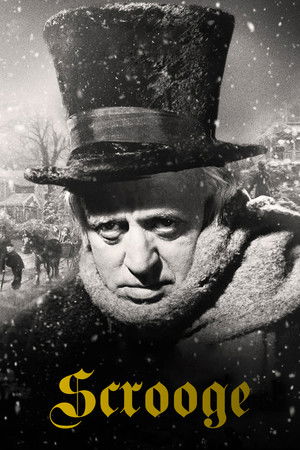
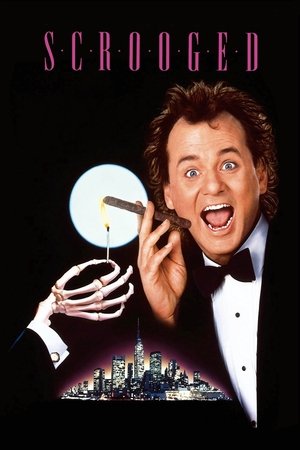
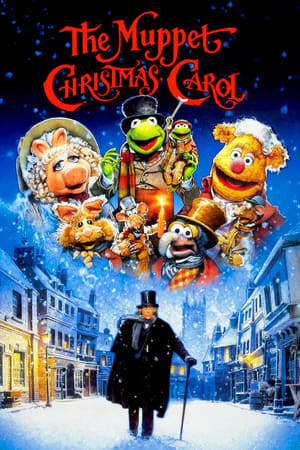
Despite these alterations, the film was well-received and has maintained a strong reputation, currently holding a 100% rating on Rotten Tomatoes. It also features an uncredited early appearance by June Lockhart, who would later become famous for her roles in Lassie and Lost in Space. The film's success helped cement A Christmas Carol as a perennial Hollywood property, paving the way for countless subsequent adaptations, from the 1951 Alastair Sim classic to the 1984 television version with George C. Scott, and even modern reimaginings featuring the Muppets and Bill Murray.

A Christmas Carol is a novella by Charles Dickens, first published in London by Chapman & Hall in 1843. It tells the story of Ebenezer Scrooge, a miserly old man who despises Christmas and mistreats those around him. On Christmas Eve, he is visited by the ghost of his former business partner, Jacob Marley, and the Spirits of Christmas Past, Present, and Yet to Come. Through these supernatural encounters, Scrooge is forced to confront his own cruelty and isolation, ultimately transforming into a kind and generous man who embraces the spirit of the holiday.
The novella was an immediate critical and popular success, reviving interest in Christmas traditions in Victorian England. Dickens wrote it during a period of social reflection on poverty and inequality, and the book's themes of compassion, redemption, and social responsibility resonated deeply with readers. Its vivid characters—from the pitiful Tiny Tim to the jovial Fezziwig—have become archetypes of the season.
A Christmas Carol has never been out of print and has been adapted countless times across every medium, including stage, film, television, opera, ballet, and radio. Its structure and moral message have made it one of the most enduring and frequently retold stories in the English language, cementing its place as a cornerstone of Christmas culture worldwide.