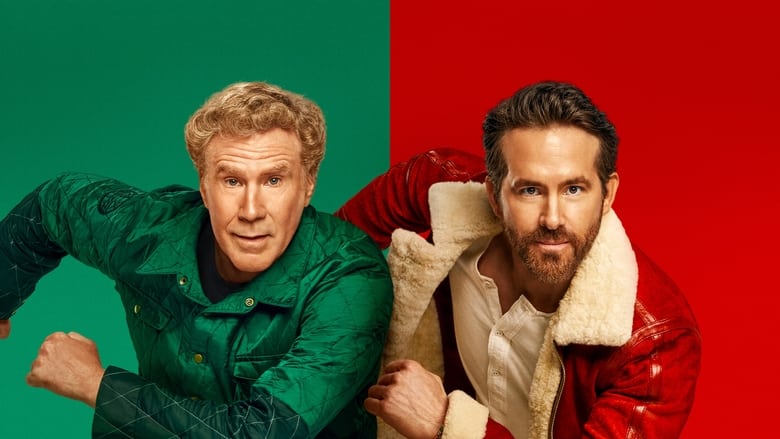
🎬 Spirited (2022)
Based on novel
Sean Anders' "Spirited" doesn't just adapt Charles Dickens' "A Christmas Carol"—it gleefully deconstructs the entire industrial complex that has grown around adapting it. The 2022 musical comedy, starring Will Ferrell and Ryan Reynolds, operates on a delightfully meta-textual level, imagining that the ghostly visitations of the novella are not a one-off miracle but a massive, meticulously organized annual operation. Jacob Marley and a vast team of spirits work year-round to produce a single, high-stakes redemption for one human soul every Christmas. This clever framing device allows the film to satirize the tropes and emotional beats we've come to expect from countless versions of the story, while still delivering a sincere and surprisingly moving take on the original's themes of transformation and empathy.
The most significant structural change is the role reversal at the story's heart. The "Scrooge" figure is Clint Briggs (Reynolds), a slick, unapologetic media consultant who specializes in spreading division and outrage. However, the protagonist is actually the Ghost of Christmas Present (Ferrell), a veteran spirit suffering from burnout and a deep, hidden regret about his own mortal life. The film shifts the central arc from a miser learning to feel to a ghost learning to forgive himself. By making Present the character in need of redemption, "Spirited" explores a more nuanced psychological landscape than the source material, suggesting that even those who dedicate their lives to helping others can be haunted by their past. The three spirits are reimagined as a tight-knit workplace team, with Christmas Past (Sunita Mani) as a bubbly historian and Yet-to-Come (voiced by Tracy Morgan) as a surprisingly chatty and impatient entity, a far cry from Dickens' silent, terrifying phantom.
Musically, the film leans hard into its modern setting with original songs by the acclaimed duo Benj Pasek and Justin Paul, known for "La La Land" and "The Greatest Showman." The numbers range from the infectiously upbeat opener "That Christmas Morning Feelin'" to the show-stopping "Good Afternoon," a rapid-fire, patter-song duel between Ferrell and Reynolds that channels the verbal dexterity of classic musical theater. These songs do the heavy lifting of character development, externalizing internal conflicts in a way that Dickens achieved through prose. The film also cleverly weaponizes its musical format for comedy, particularly in a running gag about how the spirits' elaborate, Broadway-style production numbers are completely invisible to the living, making their immense effort seem hilariously pointless.
Upon its release on Apple TV+, "Spirited" was praised for the electric chemistry between its two leads and its ability to balance cynical humor with genuine heart. It doesn't mock the earnestness of "A Christmas Carol" but rather celebrates its enduring power, arguing that the story's message of redemption is so potent it can survive even the most absurd, song-and-dance-filled reinterpretation. By turning the familiar ghost story into a buddy comedy about a spirit having an existential crisis, the film honors Dickens' legacy not through faithful replication, but by proving the story's core idea—that no one is beyond saving—is endlessly adaptable.

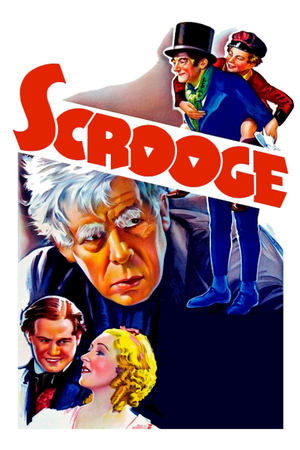
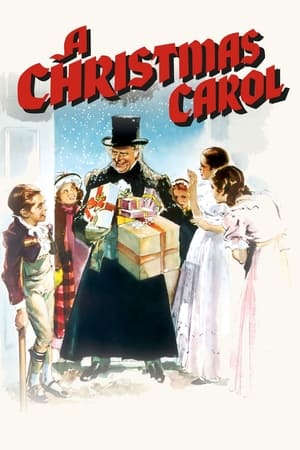
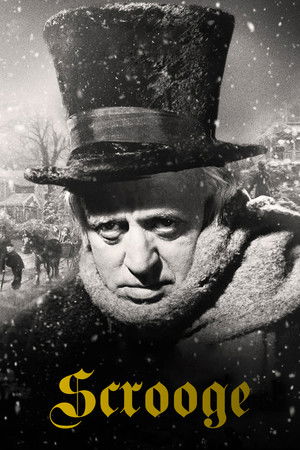
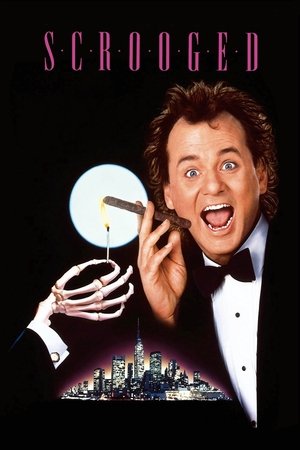
A Christmas Carol is a novella by Charles Dickens, first published in London by Chapman & Hall in 1843. It tells the story of Ebenezer Scrooge, a miserly old man who despises Christmas and mistreats those around him. On Christmas Eve, he is visited by the ghost of his former business partner, Jacob Marley, and the Spirits of Christmas Past, Present, and Yet to Come. Through these supernatural encounters, Scrooge is forced to confront his own cruelty and isolation, ultimately transforming into a kind and generous man who embraces the spirit of the holiday.
The novella was an immediate critical and popular success, reviving interest in Christmas traditions in Victorian England. Dickens wrote it during a period of social reflection on poverty and inequality, and the book's themes of compassion, redemption, and social responsibility resonated deeply with readers. Its vivid characters—from the pitiful Tiny Tim to the jovial Fezziwig—have become archetypes of the season.
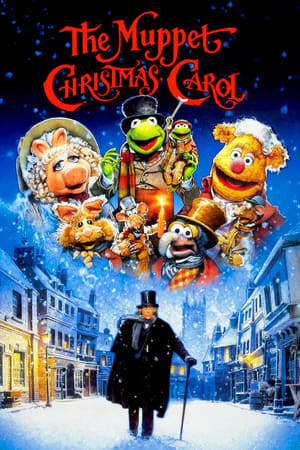
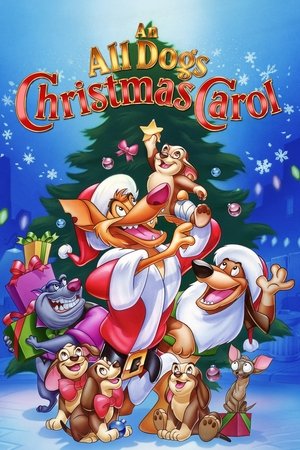
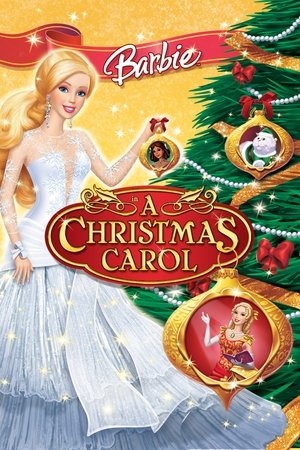
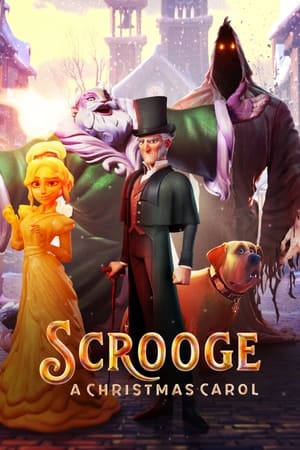
A Christmas Carol has never been out of print and has been adapted countless times across every medium, including stage, film, television, opera, ballet, and radio. Its structure and moral message have made it one of the most enduring and frequently retold stories in the English language, cementing its place as a cornerstone of Christmas culture worldwide.