🎬 Scrooge (1951)
Based on novel
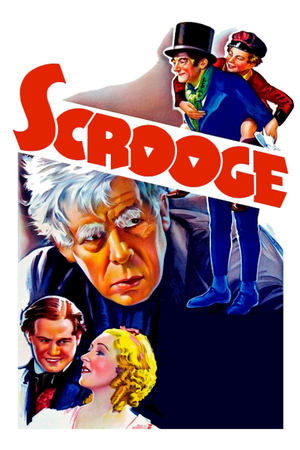
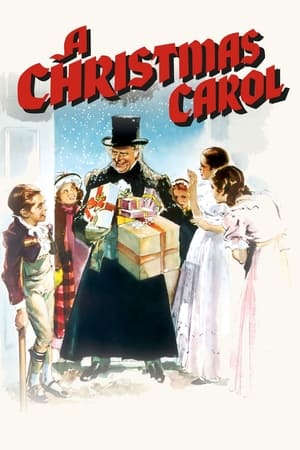
Brian Desmond Hurst’s 1951 film, known simply as Scrooge in its native Britain and A Christmas Carol across the Atlantic, stands as a towering achievement in the long history of Dickens adaptations. While the source novella is a brisk, almost feverishly paced ghost story, this version expands the narrative with a psychological depth that feels entirely organic. Screenwriter Noel Langley adds crucial backstory, most notably by weaving in scenes of Scrooge’s neglected childhood and the slow corrosion of his soul through the pursuit of wealth, details only hinted at in the book. This transforms the Ghost of Christmas Past’s visit from a mere tour of regret into a full-blown origin story for a miser, making his eventual redemption not just heartwarming but psychologically profound.
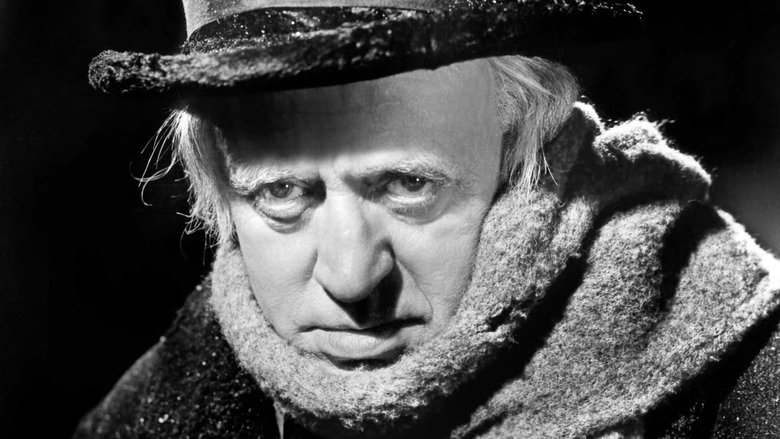
The film’s greatest asset is undeniably Alastair Sim, whose performance is less a portrayal and more a possession. Sim doesn't just play Scrooge as a grumpy old man; he embodies a creature of deep, wounded tragedy, his eyes conveying a lifetime of suppressed pain. The film’s visual language, heavily influenced by German Expressionism, reinforces this internal torment with stark shadows and distorted angles that make Scrooge’s counting house feel like a tomb. The adaptation also makes a fascinating structural change by having Peter Bull narrate Dickens’s own words, framing the story as a tale being told, while also appearing as a businessman on screen, subtly blurring the line between the story’s world and our own.
Upon its initial release, the film was met with a shrug from critics and a mixed box office, a fate almost unthinkable given its current status. It was only through television broadcasts in the following decades that it found its audience, growing from a cult favorite into a sacred Christmas tradition for many. The film’s power lies in its willingness to dwell in the darkness before the dawn; Michael Hordern’s Jacob Marley is genuinely terrifying, a wailing, tormented phantom far more disturbing than many later, more effects-laden versions. This commitment to the story’s gothic horror makes Scrooge’s giddy, almost manic joy on Christmas morning feel truly earned, a burst of sunlight after a long, cold night.
Today, Scrooge is widely considered by critics and audiences alike to be the definitive cinematic version of the tale, a benchmark against which all others are measured. It captures the novella’s righteous anger at social injustice, particularly in its depiction of the Cratchit family’s dignified poverty, but its lasting legacy is its profound empathy for its villain. By daring to explain Scrooge without excusing him, the film achieves something remarkable: it makes a story we all know by heart feel like a startling, intimate revelation.

A Christmas Carol is a novella by Charles Dickens, first published in London by Chapman & Hall in 1843. It tells the story of Ebenezer Scrooge, a miserly old man who despises Christmas and mistreats those around him. On Christmas Eve, he is visited by the ghost of his former business partner, Jacob Marley, and the Spirits of Christmas Past, Present, and Yet to Come. Through these supernatural encounters, Scrooge is forced to confront his own cruelty and isolation, ultimately transforming into a kind and generous man who embraces the spirit of the holiday.
The novella was an immediate critical and popular success, reviving interest in Christmas traditions in Victorian England. Dickens wrote it during a period of social reflection on poverty and inequality, and the book's themes of compassion, redemption, and social responsibility resonated deeply with readers. Its vivid characters—from the pitiful Tiny Tim to the jovial Fezziwig—have become archetypes of the season.
A Christmas Carol has never been out of print and has been adapted countless times across every medium, including stage, film, television, opera, ballet, and radio. Its structure and moral message have made it one of the most enduring and frequently retold stories in the English language, cementing its place as a cornerstone of Christmas culture worldwide.