🎬 An All Dogs Christmas Carol (1998)
Part of All Dogs Go to Heaven
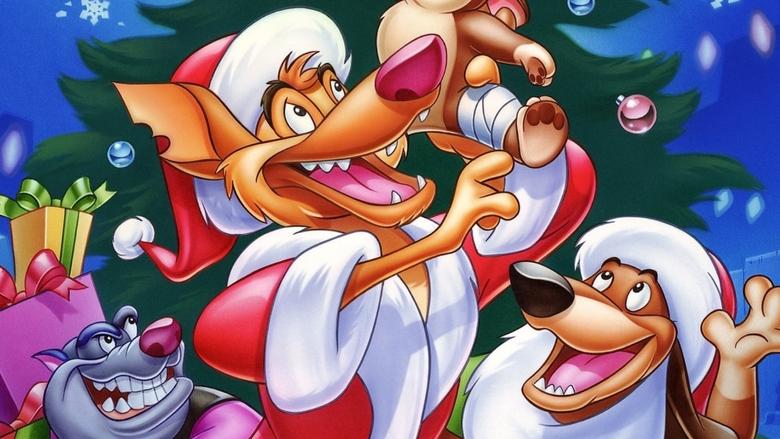
An All Dogs Christmas Carol is a 1998 direct-to-video animated musical special that cleverly merges the world of the All Dogs Go to Heaven franchise with the timeless structure of Charles Dickens's 1843 novella A Christmas Carol. Serving as both the third film in the series and the finale to the animated television show, the special shifts the spotlight away from the usual heroes, Charlie and Itchy, and onto the bulldog villain Carface, who takes on the role of the Scrooge-like figure.
The plot is framed as a story told by the angelic whippet Annabelle to a group of puppies. Set in a San Francisco alley, Charlie and his friends are raising money for an operation for a lame puppy named Timmy when Carface and his sidekick Killer disrupt the festivities. Using a magical dog whistle that hypnotizes the other dogs into giving up their possessions, Carface sets himself up for a supernatural intervention. With Charlie and Itchy acting as the guiding spirits, Carface is shown visions of his past, present, and a bleak future, forcing him to confront his selfishness and ultimately save Christmas for everyone.
As the final installment in the All Dogs Go to Heaven series, the special carries a sense of closure, bringing back familiar characters for a holiday-themed adventure. While it follows the well-worn path of Dickens's classic redemption tale, it does so with the franchise's signature blend of humor, heart, and musical numbers. The substitution of the traditional ghosts with the established characters from the series gives the adaptation a unique twist that serves both the source material and the animated world it inhabits.

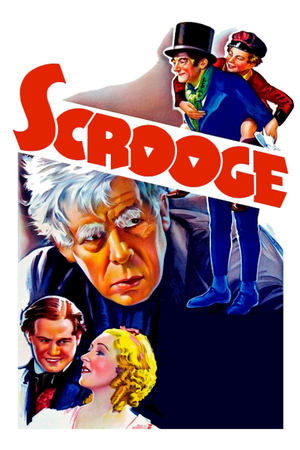
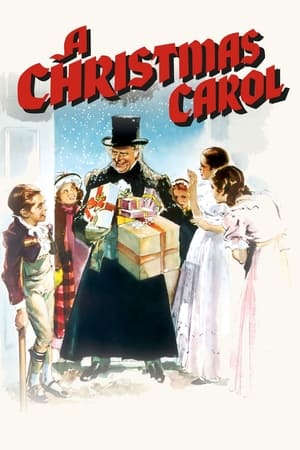
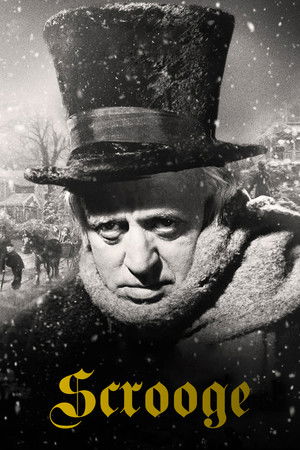
A Christmas Carol is a novella by Charles Dickens, first published in London by Chapman & Hall in 1843. It tells the story of Ebenezer Scrooge, a miserly old man who despises Christmas and mistreats those around him. On Christmas Eve, he is visited by the ghost of his former business partner, Jacob Marley, and the Spirits of Christmas Past, Present, and Yet to Come. Through these supernatural encounters, Scrooge is forced to confront his own cruelty and isolation, ultimately transforming into a kind and generous man who embraces the spirit of the holiday.
The novella was an immediate critical and popular success, reviving interest in Christmas traditions in Victorian England. Dickens wrote it during a period of social reflection on poverty and inequality, and the book's themes of compassion, redemption, and social responsibility resonated deeply with readers. Its vivid characters—from the pitiful Tiny Tim to the jovial Fezziwig—have become archetypes of the season.
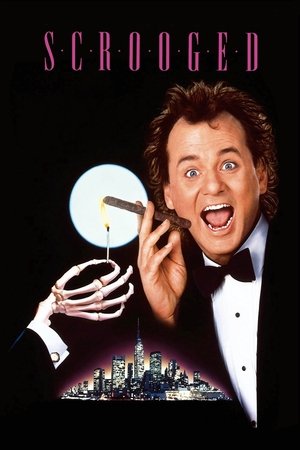
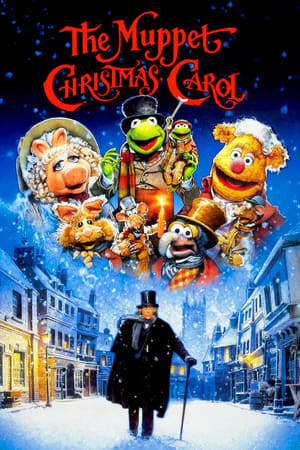
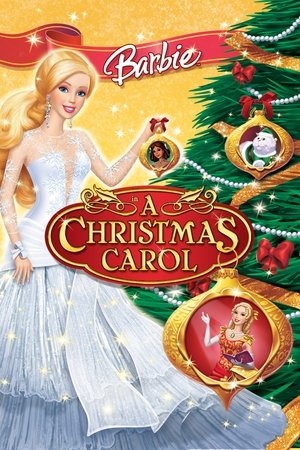
A Christmas Carol has never been out of print and has been adapted countless times across every medium, including stage, film, television, opera, ballet, and radio. Its structure and moral message have made it one of the most enduring and frequently retold stories in the English language, cementing its place as a cornerstone of Christmas culture worldwide.
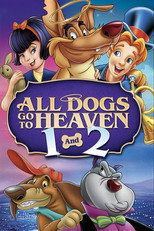
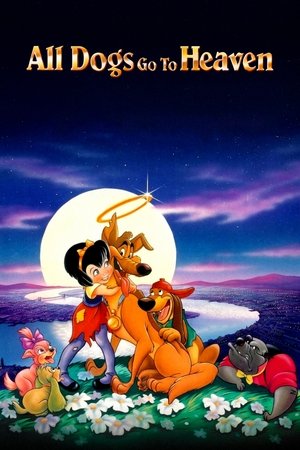
All Dogs Go to Heaven is an American animated media franchise created by directors Don Bluth and Gary Goldman. Originating with a theatrical release in 1989, the collection centers on Charlie B. Barkin, a charismatic but morally flawed anthropomorphic dog who fakes his death to evade criminal associates. After being sent back to Earth from the afterlife, he embarks on a journey of redemption while protecting a young girl, blending elements of gangster noir with family-friendly adventure.
The grouping is distinguished by its distinctive hand-drawn animation style and a jazz-infused musical score composed by Henry Mancini, with lyrics by Carole Bayer Sager and Charles Fox. Thematically, it explores concepts of mortality, forgiveness, and second chances, setting it apart from more traditional fairy-tale animated features of the era. The anthropomorphic cast and stylized character designs reflect the creative vision of Bluth and his team, who sought to push the boundaries of theatrical and television animation.
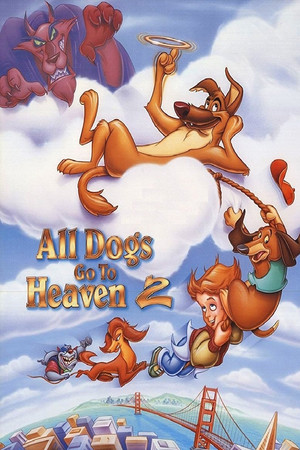
Over the years, the franchise expanded beyond its initial film into a broader collection of media. This includes a direct-to-video sequel, a Saturday morning television series that further developed the characters and their world, and a third direct-to-video installment. While it did not achieve the massive global commercial dominance of some of its contemporaries, the collection has maintained a dedicated cult following. Its unique blend of musical theater, crime drama tropes, and heartfelt storytelling continues to resonate with audiences who appreciate its distinct artistic identity.