🎬 Treasure Island (1934)
Based on novel
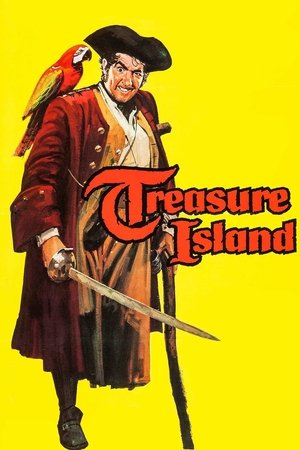
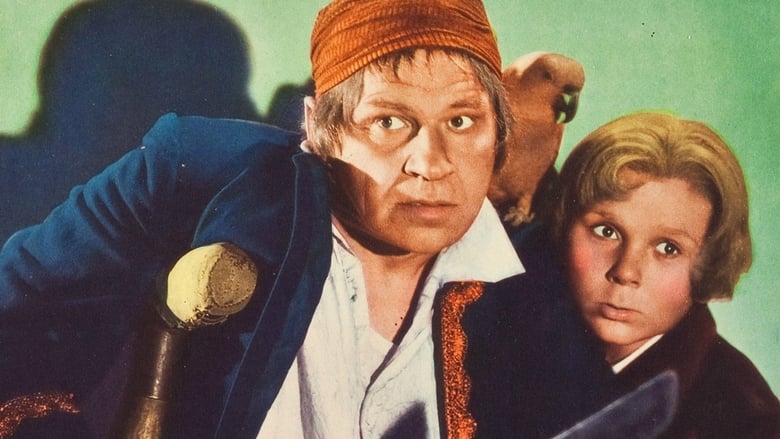
Victor Fleming’s 1934 Treasure Island stands as the first major sound adaptation of Robert Louis Stevenson’s beloved pirate novel, and it set a high bar for all swashbuckling films that followed. Produced by MGM with a lavish budget, the film leans heavily on the star power of Wallace Beery, whose Long John Silver is a charismatic, booming presence that dominates every scene he’s in. The adaptation is remarkably faithful to the novel’s broad strokes, following young Jim Hawkins from the Admiral Benbow inn to the high seas and the mutiny on the Hispaniola, but it makes a few notable adjustments for the screen. The character of Jim, played by Jackie Cooper, is written as slightly older and more assertive than his literary counterpart, a change that allows Cooper to hold his own against Beery’s larger-than-life pirate. The film also softens Silver’s moral ambiguity just a touch, leaning into Beery’s natural charm to make the villain almost lovable, a choice that would influence how the character was portrayed for decades.
Fleming, who would later direct The Wizard of Oz and Gone with the Wind, brings a muscular energy to the adventure, staging tense confrontations in the admiral’s tavern and chaotic battles on the island with a sense of real danger. The production design is particularly noteworthy, with the Hispaniola and the stockade built at full scale on the MGM backlot, giving the film a tactile authenticity that matte paintings alone couldn’t achieve. Lionel Barrymore’s brief but memorable turn as Billy Bones is a highlight, his gravelly voice and wild eyes perfectly capturing the terror and pathos of the old pirate. The film also benefits from a strong supporting cast, including Nigel Bruce as the bumbling but good-hearted Squire Trelawney, a role that foreshadows his later work as Dr. Watson in the Sherlock Holmes series.
Critically, the film was well-received upon release, with particular praise for Beery’s performance and the thrilling action sequences. Audiences flocked to see it, cementing Treasure Island as a viable property for Hollywood and paving the way for the 1950 Disney version and countless other adaptations. One interesting deviation from the novel is the film’s treatment of the pirates’ fate; the screenplay streamlines the ending, dispensing with Silver’s escape in a way that feels more cinematically conclusive. The relationship between Jim and Silver is the emotional core, and the film wisely invests time in their uneasy bond, making the final parting genuinely bittersweet. This 1934 version remains a touchstone for pirate cinema, a robust and entertaining translation of Stevenson’s world that captures the salt spray and treachery of the original while adding the glamour of Golden Age Hollywood.

Treasure Island is an adventure novel by Scottish author Robert Louis Stevenson, first published as a book in 1883. Originally serialized in the children's magazine Young Folks from 1881 to 1882 under the title Treasure Island or the Mutiny of the Hispaniola, it tells the story of young Jim Hawkins, who discovers a treasure map and sets sail aboard the Hispaniola to find the buried fortune of the legendary pirate Captain Flint. Along the way, he encounters the charismatic and cunning one-legged sea cook Long John Silver, whose mutinous intentions put Jim and his companions in mortal danger.
Set in the mid-18th century, the novel is celebrated as a classic coming-of-age story, blending high-seas adventure with rich character studies. Stevenson's vivid depiction of pirates, treasure maps marked with an 'X,' deserted islands, and parrots perched on shoulders has profoundly shaped the popular image of piracy in Western culture. The novel's themes of loyalty, greed, and moral ambiguity, particularly embodied by the complex figure of Long John Silver, have ensured its enduring appeal.
Since its publication, Treasure Island has become one of the most frequently adapted works in literature, inspiring countless films, television series, stage productions, and other media. Its influence extends far beyond direct adaptations, having essentially created the modern pirate archetype that dominates books, movies, and folklore.