📺 Black Sails (2014)
Based on novel
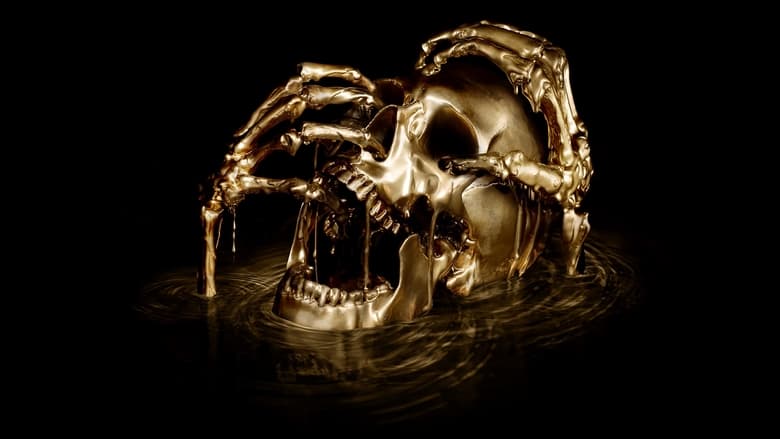
Black Sails is a Starz television series that serves as a prequel to Robert Louis Stevenson's classic 1883 novel Treasure Island, imagining the events and characters that set the stage for the famous treasure hunt. Created by Jonathan E. Steinberg and Robert Levine, the series premiered in 2014 and ran for four seasons, blending fictional characters from Stevenson's world with real-life historical pirates who operated in the Bahamas during the early 18th century. The show is set on New Providence Island during the golden age of piracy, focusing on Captain Flint, a brilliant and increasingly ruthless pirate captain, and a young John Silver, years before he becomes the legendary Long John Silver.
The series weaves together the origins of Treasure Island's most iconic elements: the treasure of the Urca de Lima, the formation of the pirate republic, and the complex relationships between characters like Flint, Silver, and Billy Bones. Alongside these fictional creations, Black Sails incorporates historical figures such as Charles Vane, Jack Rackham, Anne Bonny, and Blackbeard, grounding its swashbuckling action in a gritty, politically charged narrative about the struggle to build a free society outside the reach of empires. The show was praised for its ambitious storytelling, high production values, and its nuanced exploration of power, loyalty, and identity.
Executive produced by Michael Bay among others, Black Sails debuted to strong fan anticipation, earning an early second-season renewal based on its reception at San Diego Comic-Con. Over its four seasons, the series built a dedicated following and was recognized for its complex character arcs and its seamless integration of literary prequel elements with historical drama. By the time it concluded in 2017, Black Sails had completed its narrative arc, bridging the gap between the brutal reality of pirate life and the mythologized world of Stevenson's novel.

Treasure Island is an adventure novel by Scottish author Robert Louis Stevenson, first published as a book in 1883. Originally serialized in the children's magazine Young Folks from 1881 to 1882 under the title Treasure Island or the Mutiny of the Hispaniola, it tells the story of young Jim Hawkins, who discovers a treasure map and sets sail aboard the Hispaniola to find the buried fortune of the legendary pirate Captain Flint. Along the way, he encounters the charismatic and cunning one-legged sea cook Long John Silver, whose mutinous intentions put Jim and his companions in mortal danger.
Set in the mid-18th century, the novel is celebrated as a classic coming-of-age story, blending high-seas adventure with rich character studies. Stevenson's vivid depiction of pirates, treasure maps marked with an 'X,' deserted islands, and parrots perched on shoulders has profoundly shaped the popular image of piracy in Western culture. The novel's themes of loyalty, greed, and moral ambiguity, particularly embodied by the complex figure of Long John Silver, have ensured its enduring appeal.
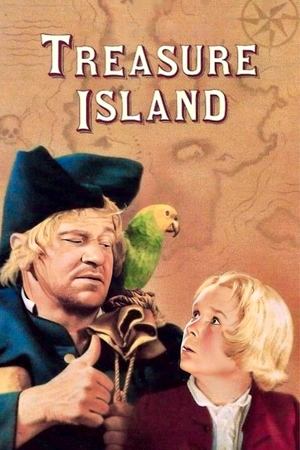
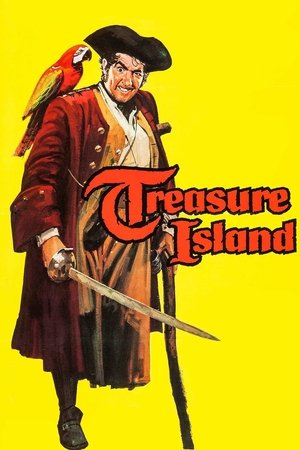
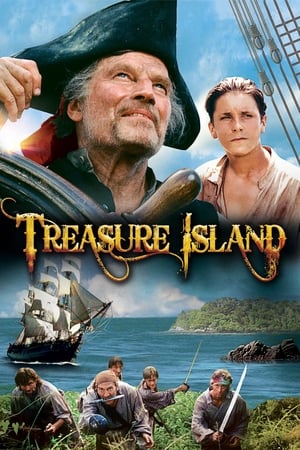
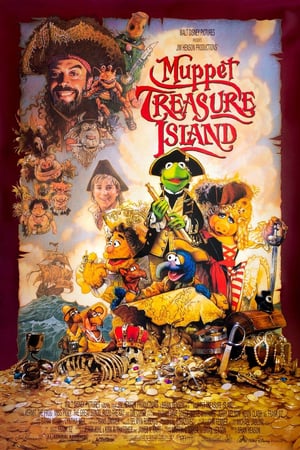
Since its publication, Treasure Island has become one of the most frequently adapted works in literature, inspiring countless films, television series, stage productions, and other media. Its influence extends far beyond direct adaptations, having essentially created the modern pirate archetype that dominates books, movies, and folklore.