🎬 Treasure Planet (2002)
Based on novel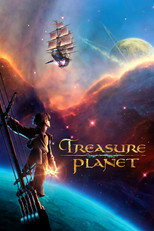
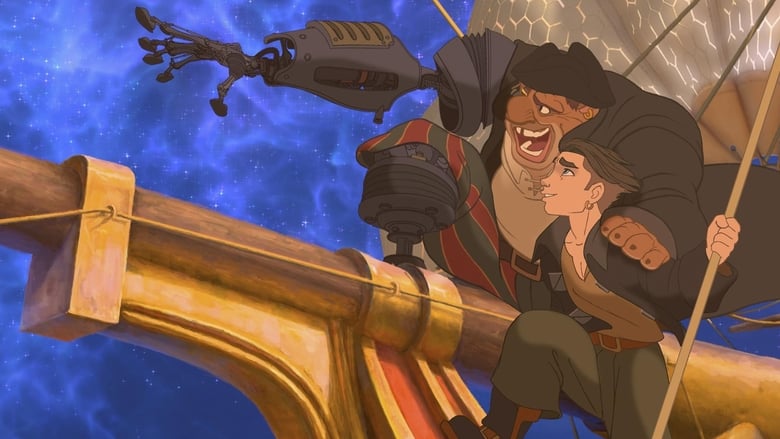
When directors John Musker and Ron Clements first pitched their idea for a space-faring take on Robert Louis Stevenson’s classic pirate tale back in 1989, they were told to wait. Over a decade later, after shepherding hits like The Little Mermaid and Hercules, they finally got their chance to realize one of the most audacious adaptations in Disney’s history. Treasure Planet reimagines the 18th-century schooners and salty seas as majestic solar-powered galleons that sail across the Etherium, a breathable cosmic frontier. The core beats of the novel remain intact: young Jim Hawkins comes into possession of a map leading to the legendary loot of a thousand worlds, and he soon finds himself aboard a ship where the charmingly dangerous cyborg cook, John Silver, is plotting mutiny. Yet the film transforms the coming-of-age adventure into a visually sumptuous father-son story, leaning heavily into Jim’s adolescent angst and his longing for a paternal figure, a dynamic only hinted at in Stevenson’s text.
The film’s most radical departure is its aesthetic and technical ambition. It pioneered a hybrid animation style that placed traditional hand-drawn characters into richly detailed 3D computer-generated environments, most memorably in the cyborg anatomy of Long John Silver, whose mechanical arm and leg seamlessly blend gears and flesh. The character of Ben Gunn was reimagined as B.E.N., a manic, memory-scrambled robot voiced by Martin Short, providing comic relief that sharply divided audiences. Captain Smollett was gender-swapped into the stern feline captain Amelia, voiced by Emma Thompson, while the parrot was replaced by a shape-shifting pink blob named Morph. These changes, along with a rock-infused soundtrack by Goo Goo Dolls frontman John Rzeznik, signaled Disney’s attempt to court a teenage demographic, moving far away from the Broadway-style musicals of the studio’s Renaissance era.
Despite its breathtaking visuals and a deeply moving performance by Brian Murray as Silver, Treasure Planet faced an uphill battle upon its November 2002 release. Opening against the cultural juggernaut of Harry Potter and the Chamber of Secrets and the latest James Bond film, it became one of the most notorious box-office disappointments in Disney history, grossing just over $109 million worldwide against a record-breaking $140 million budget for a traditionally animated film. Critics praised its emotional depth and groundbreaking visuals, earning it an Academy Award nomination for Best Animated Feature, but many felt the sci-fi veneer occasionally clashed with the source material’s gritty charm. Over time, however, the film has undergone a significant critical reappraisal, with many fans and animation historians now regarding it as a misunderstood gem and a poignant swan song for the hand-drawn animation era before the studio’s full pivot to CGI.
In retrospect, Treasure Planet stands as a deeply personal project for Musker and Clements, a passion project that refused to play it safe. It transforms Stevenson’s treasure hunt into a meditation on legacy and self-discovery, where the real treasure isn’t gold but the bond between a lost boy and a conflicted pirate. While it never spawned the franchise Disney hoped for, its influence can be felt in later steampunk and sci-fi fantasy works, and its cult status continues to grow, a testament to the idea that the boldest adaptations are often those that dare to chart a completely new course through the stars.

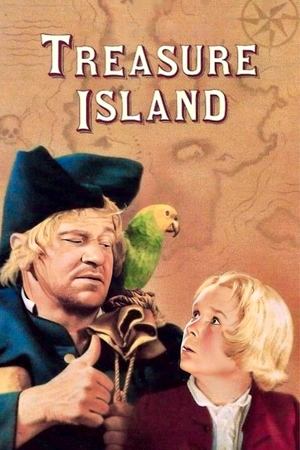
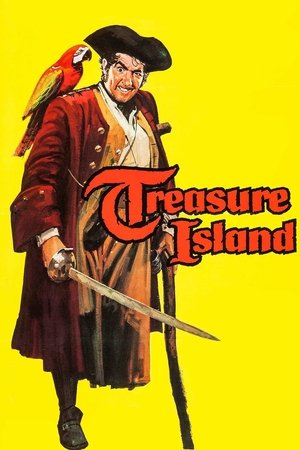
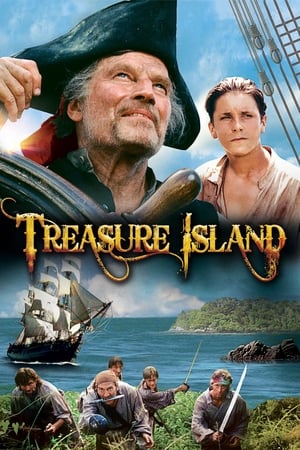
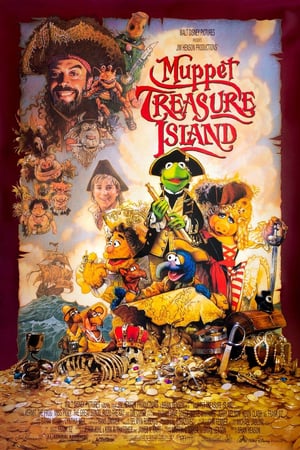
Treasure Island is an adventure novel by Scottish author Robert Louis Stevenson, first published as a book in 1883. Originally serialized in the children's magazine Young Folks from 1881 to 1882 under the title Treasure Island or the Mutiny of the Hispaniola, it tells the story of young Jim Hawkins, who discovers a treasure map and sets sail aboard the Hispaniola to find the buried fortune of the legendary pirate Captain Flint. Along the way, he encounters the charismatic and cunning one-legged sea cook Long John Silver, whose mutinous intentions put Jim and his companions in mortal danger.
Set in the mid-18th century, the novel is celebrated as a classic coming-of-age story, blending high-seas adventure with rich character studies. Stevenson's vivid depiction of pirates, treasure maps marked with an 'X,' deserted islands, and parrots perched on shoulders has profoundly shaped the popular image of piracy in Western culture. The novel's themes of loyalty, greed, and moral ambiguity, particularly embodied by the complex figure of Long John Silver, have ensured its enduring appeal.
Since its publication, Treasure Island has become one of the most frequently adapted works in literature, inspiring countless films, television series, stage productions, and other media. Its influence extends far beyond direct adaptations, having essentially created the modern pirate archetype that dominates books, movies, and folklore.