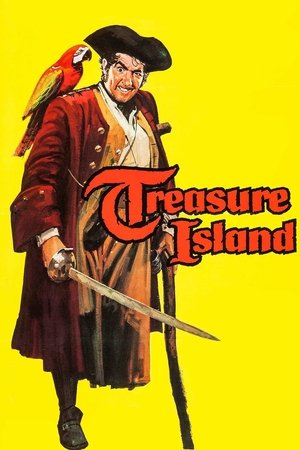
Long John Silver
Collection 🎬 Collection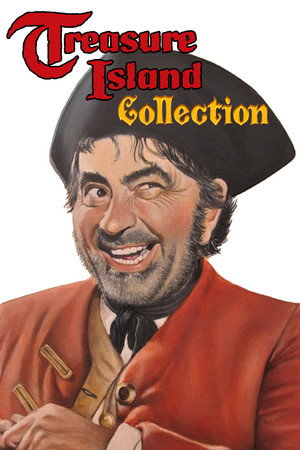
The Long John Silver collection comprises two live-action Disney films from the 1950s that together redefined the popular image of the pirate. Originating with the studio’s 1950 adaptation of Robert Louis Stevenson’s *Treasure Island*, the collection introduced Robert Newton’s portrayal of the cunning, one-legged sea cook. Newton’s performance—with its exaggerated West Country accent, wild-eyed charisma, and boisterous “Arrr”—did more than serve the character; it essentially invented the modern pop-culture archetype of the pirate, establishing a template endlessly replicated in stage, screen, and theme park entertainment. This first film blended high-seas adventure with a darkly complex anti-hero whose shifting loyalties made him both a terrifying threat and a strangely endearing figure to young Jim Hawkins.
The narrative continued beyond Stevenson’s original text with the 1954 standalone sequel, *Long John Silver*, which saw Newton return to the role. This follow-up transformed the morally ambiguous antagonist into a full-fledged, albeit still roguish, protagonist. Where the first film ended with Silver’s ambiguous escape, the sequel charted his further quests for fortune and his ongoing rivalry with the vengeful Mendoza, proving the character could sustain a narrative independent of Jim Hawkins’ coming-of-age story. The film was later serialized for television as *The Adventures of Long John Silver*, extending its reach and cementing the character’s place in mid-century adventure entertainment.
As a duology, the Long John Silver collection represents a pivotal moment in the golden age of film and television adventure serials. Its cultural footprint is immense, permanently altering the global perception of piracy by replacing historical reality with Newton’s theatrical, salty dialect and flamboyant mannerisms. The collection endures not merely as a pair of films, but as the foundational text for the romanticized, rum-soaked rogue that sails through the collective imagination.