🎬 Doraemon: Nobita's Dinosaur (2006)
Part of Doraemon Movies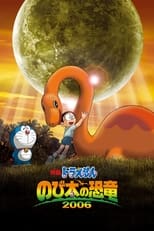
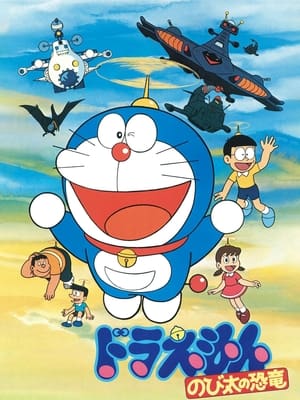
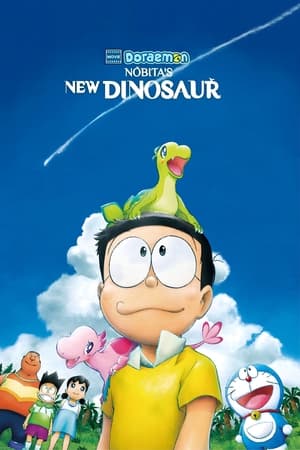
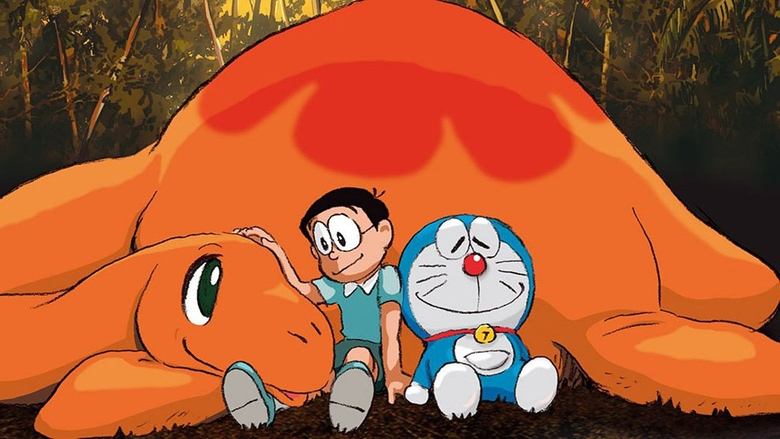
Doraemon: Nobita's Dinosaur 2006 is a direct remake of the very first Doraemon feature film, which premiered in 1980. Both films are adaptations of the Doraemon Long Stories manga by Fujiko F. Fujio, but the 2006 version holds special significance as it was the first Doraemon film produced with the new voice cast that took over the roles in the 2005 TV series reboot. Directed by Ayumu Watanabe, this remake retells the beloved story of Nobita hatching a plesiosaur named Piisuke from a fossilized egg and embarking on a perilous journey to the Cretaceous period to return him to his rightful time.
The 2006 version updates the animation with modern techniques while remaining faithful to the original story's emotional beats. The film follows the same basic plot: after Suneo shows off a dinosaur claw fossil, Nobita impulsively claims he will find a living dinosaur. With Doraemon's "Time Cloth" gadget, he hatches an ancient egg, and the group eventually travels back 100 million years to reunite Piisuke with his kind, encountering dangers along the way. The remake also marked a historic moment for the franchise internationally, receiving a private English-subtitled screening in Washington, D.C. in 2008—the first time a Doraemon film was officially shown in the United States.
As the 26th entry in the Doraemon film series and the first of the 2005-era movies, Nobita's Dinosaur 2006 was a commercial triumph, grossing over 3.28 billion yen and ranking as the highest-grossing animated film in Japan that year. The film successfully reintroduced the classic story to a new generation of viewers while honoring the legacy of the original, blending nostalgia with contemporary animation quality and the fresh vocal performances of the then-new cast.

The Doraemon film series is a long-running collection of animated feature films based on the beloved manga and anime franchise created by Fujiko F. Fujio. Beginning in 1980 with 'Doraemon: Nobita's Dinosaur', the series has become an annual tradition in Japanese cinema, with new installments released almost every spring. These films typically follow the titular robotic cat from the 22nd century and his young friend Nobita Nobi as they embark on extraordinary adventures across time, space, and fantastical realms, often utilizing Doraemon's ingenious gadgets from his four-dimensional pocket. While the original manga and television series focus on everyday slice-of-life scenarios, the movies expand the narrative scope, introducing higher stakes, epic journeys, and environmental or moral themes that resonate with family audiences. The series has evolved through different eras of animation and storytelling, with many early films being direct adaptations of manga storylines, while later entries explore original plots and even reimaginings of classic tales. This enduring collection has cemented Doraemon as a cornerstone of Japanese popular culture, with the films consistently drawing large audiences and contributing to the character's status as an official cultural ambassador of Japan.