🎬 Doraemon: Nobita's Secret Gadget Museum (2013)
Part of Doraemon Movies
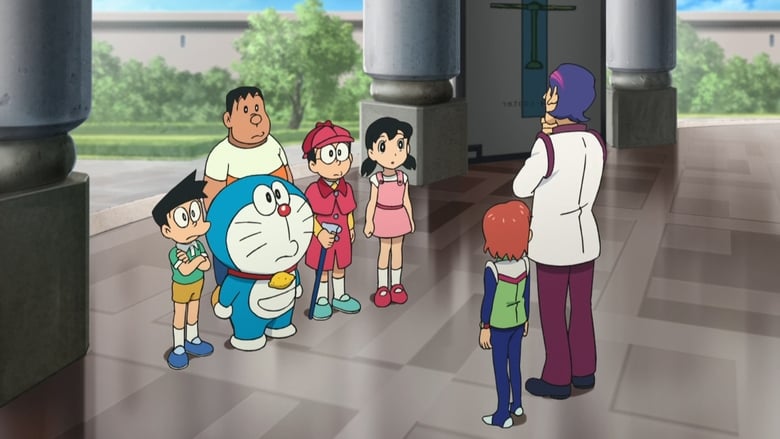
The 33rd installment in the long-running Doraemon film franchise, Doraemon: Nobita's Secret Gadget Museum, takes the series' core concept of futuristic inventions and builds an entire mystery around it. Rather than adapting a specific chapter from Fujiko F. Fujio's original manga, the film crafts an original story that functions as a love letter to the gadgets themselves. When the phantom thief Kaito DX steals Doraemon's iconic cat bell, the gang travels to a vast museum in the 22nd century dedicated entirely to cataloging and preserving the gadgets from the series' history. This setting allows the film to function as a kind of visual encyclopedia, with countless familiar devices from decades of manga and anime appearing in display cases and background details, rewarding eagle-eyed fans.
The film leans heavily into the detective genre, with Nobita donning a deerstalker hat and using a Holmes-inspired gadget set to track down the culprit. This narrative framing is a clever departure from the typical adventure structure, transforming the story into a whodunit set within the gleaming, futuristic halls of the museum. The character of Kaito DX serves as a charming antagonist, a gentleman thief whose true motives are more complex than simple villainy. The mystery deepens as it becomes intertwined with the museum's curator and the secret origins of Doraemon's bell, giving the robotic cat a surprisingly emotional backstory that enriches his character without contradicting the established lore.
Directed by Yukiyo Teramoto, the film was well-received for its vibrant animation and its celebration of the franchise's history. It cleverly uses its museum setting to evoke nostalgia while telling a fresh, self-contained story accessible to new viewers. The film's climax, which involves a frantic chase through exhibits dedicated to different gadget categories, is a kinetic and colorful set piece that highlights the boundless creativity of the series' inventions. By making the gadgets themselves the central plot device and the object of the heist, the movie reinforces the idea that these tools are not just plot conveniences but cherished artifacts of imagination.
Ultimately, Nobita's Secret Gadget Museum stands out as a meta-textual entry in the Doraemon canon. It is a film about the legacy of Doraemon, celebrating the very elements that have made the franchise an enduring cultural institution since 1969. The emotional core, centered on the sentimental value of a seemingly simple cat bell, perfectly encapsulates the series' ability to find profound meaning in small, personal objects, reminding audiences that the most important gadgets are the ones tied to friendship and memory.

Doraemon is a Japanese manga series written and illustrated by Fujiko F. Fujio. It was first serialized in 1969 in various children's magazines published by Shogakukan. The story follows a robotic cat from the 22nd century named Doraemon, who is sent back in time to help a young boy named Nobita Nobi navigate the challenges of childhood and improve his future. Doraemon possesses a four-dimensional pocket from which he can produce futuristic gadgets, often leading to comedic and heartfelt adventures.
The manga chapters were collected into 45 tankōbon volumes between 1974 and 1996. Doraemon quickly became one of Japan's most beloved and iconic characters, winning numerous awards and achieving immense cultural significance. The series is considered a cornerstone of modern Japanese pop culture and has been a staple of children's entertainment for decades.
Beyond the manga, Doraemon spawned a massive media franchise including three anime television series, over forty animated feature films, video games, and a vast array of merchandise. The character has been recognized as a cultural ambassador for Japan and remains popular across Asia and globally, symbolizing friendship, imagination, and the wonders of technology.

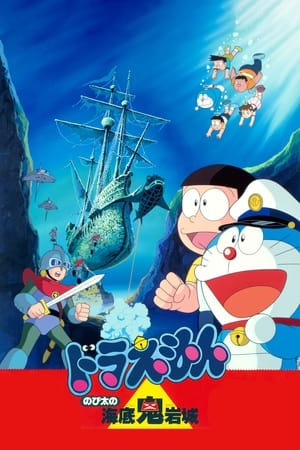
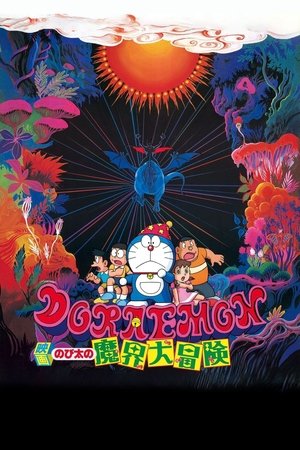
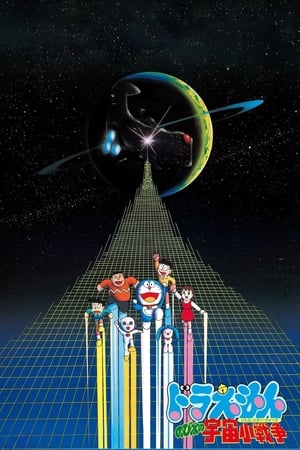
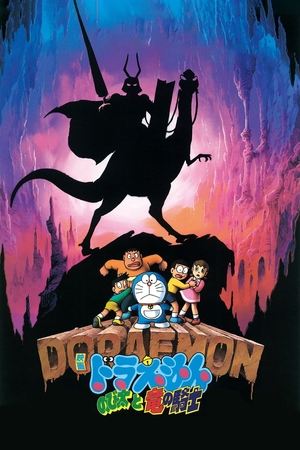
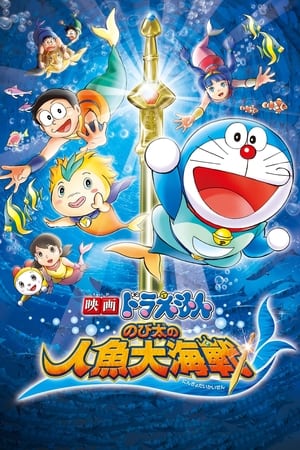
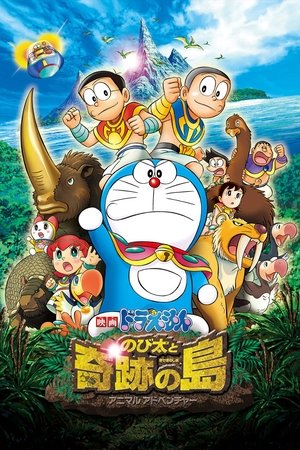
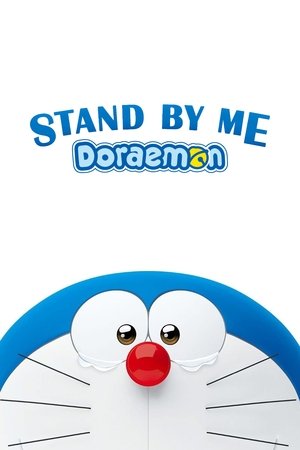
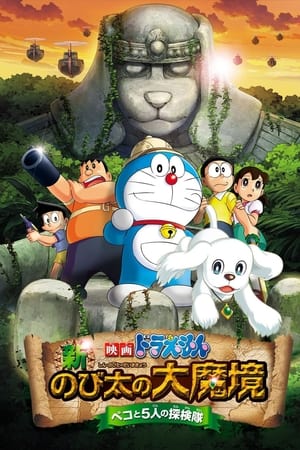
The Doraemon film series is a long-running collection of animated feature films based on the beloved manga and anime franchise created by Fujiko F. Fujio. Beginning in 1980 with 'Doraemon: Nobita's Dinosaur', the series has become an annual tradition in Japanese cinema, with new installments released almost every spring. These films typically follow the titular robotic cat from the 22nd century and his young friend Nobita Nobi as they embark on extraordinary adventures across time, space, and fantastical realms, often utilizing Doraemon's ingenious gadgets from his four-dimensional pocket. While the original manga and television series focus on everyday slice-of-life scenarios, the movies expand the narrative scope, introducing higher stakes, epic journeys, and environmental or moral themes that resonate with family audiences. The series has evolved through different eras of animation and storytelling, with many early films being direct adaptations of manga storylines, while later entries explore original plots and even reimaginings of classic tales. This enduring collection has cemented Doraemon as a cornerstone of Japanese popular culture, with the films consistently drawing large audiences and contributing to the character's status as an official cultural ambassador of Japan.