🎬 Doraemon: Nobita in the Wan-Nyan Spacetime Odyssey (2004)
Part of Doraemon Movies
"Doraemon: Nobita in the Wan-Nyan Spacetime Odyssey" is a 2004 Japanese animated science fiction film and the twenty-fifth entry in the long-running Doraemon feature film series. Directed by Tsutomu Shibayama, the movie holds a special place in the franchise's history as it was the final Doraemon film produced during the original 1979 television series era and the last to feature the original voice cast that had defined the characters for a generation. The film is based on the twenty-fourth volume of Fujiko F. Fujio's "Doraemon Long Stories" manga series, which provided the extended narratives for the annual theatrical releases.
The story follows Nobita as he secretly adopts a stray dog he names Ichi and later a cat called Zubu, hiding them from his mother using one of Doraemon's gadgets. This simple act of kindness spirals into a grand adventure involving time travel, a society of evolved cats and dogs, and a journey millions of years into the future. The film's emotional core revolves around themes of friendship, loyalty, and the bond between humans and their pets, culminating in a time-spanning tale that connects the present-day animal companions to a distant, advanced civilization. The title "Wan-Nyan" is a playful Japanese portmanteau combining "wan" (the sound of a dog's bark) and "nyan" (the sound of a cat's meow).
As a celebration of both the 25th anniversary of the 1979 television series and the 25th anniversary of the Doraemon film series itself, the movie was crafted as a milestone production. It marked the end of an era, with the subsequent year bringing a revamped voice cast and a new television series. The film is also partially based on the 1980 short manga chapter "A Home for 'Ruff'," weaving elements of that earlier, simpler story into the larger, more complex Long Tales narrative. This blending of old and new material gave the anniversary film a nostalgic quality while still delivering a fresh and expansive adventure.
Visually and musically, the film maintains the classic Doraemon aesthetic that audiences had loved for decades, with hand-drawn animation and a sweeping score that underscores both the comedic and dramatic moments. The time-travel mechanics, a staple of the series, are used to poignant effect, particularly in the framing device involving an elderly dog attempting to reunite with a childhood friend. "Nobita in the Wan-Nyan Spacetime Odyssey" remains a fan-favorite for its heartfelt story and its significance as the swan song for the original Doraemon film era.

Doraemon's Long Tales, also known as Doraemon Long Stories, is a manga series that expands upon the beloved Doraemon universe created by Fujiko F. Fujio. Unlike the regular Doraemon comics, which consist of short, self-contained episodes, this series presents full-volume, continuous narratives that send Nobita, Doraemon, and their friends on epic adventures through science fiction and fantasy landscapes. The stories were originally serialized in CoroCoro Comic magazine, with the first volume, Nobita's Dinosaur, launching the series in 1980.
The series was initially illustrated by Fujiko F. Fujio himself, who completed the first sixteen volumes before his passing in 1996. Following his death, the mantle was taken up by Shintaro Mugiwara and Yasunori Okada, who continued the tradition of crafting longer, more complex tales for the characters. These manga volumes served as the direct source material for the annual Doraemon feature films released in Japanese cinemas from 1980 through 2004, creating a unique synergy between the printed page and the silver screen.
Doraemon Long Stories holds a special place in the hearts of fans, as it allowed for deeper character development and more intricate world-building than the standard series format permitted. The stories often blend educational elements about history and science with the whimsical, gadget-driven fantasy that defines Doraemon, making them enduringly popular with both children and adults.

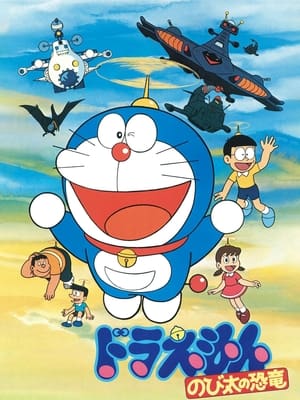
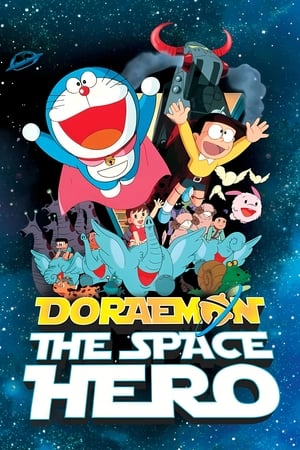
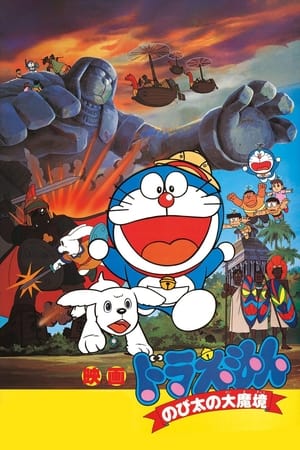
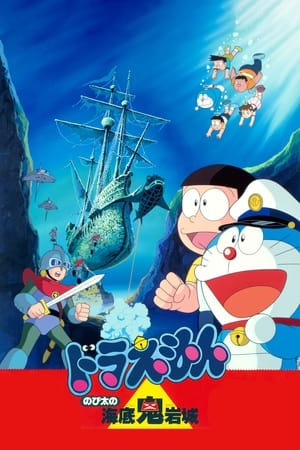
The Doraemon film series is a long-running collection of animated feature films based on the beloved manga and anime franchise created by Fujiko F. Fujio. Beginning in 1980 with 'Doraemon: Nobita's Dinosaur', the series has become an annual tradition in Japanese cinema, with new installments released almost every spring. These films typically follow the titular robotic cat from the 22nd century and his young friend Nobita Nobi as they embark on extraordinary adventures across time, space, and fantastical realms, often utilizing Doraemon's ingenious gadgets from his four-dimensional pocket. While the original manga and television series focus on everyday slice-of-life scenarios, the movies expand the narrative scope, introducing higher stakes, epic journeys, and environmental or moral themes that resonate with family audiences. The series has evolved through different eras of animation and storytelling, with many early films being direct adaptations of manga storylines, while later entries explore original plots and even reimaginings of classic tales. This enduring collection has cemented Doraemon as a cornerstone of Japanese popular culture, with the films consistently drawing large audiences and contributing to the character's status as an official cultural ambassador of Japan.