🎬 Doraemon: Nobita's Great Adventure in the Antarctic Kachi Kochi (2017)
Part of Doraemon Movies
Released in 2017, 'Doraemon: Nobita's Great Adventure in the Antarctic Kachi Kochi' marks the 37th cinematic outing for the beloved robotic cat and stands out as a wholly original story penned for the screen by director Atsushi Takahashi. Unlike many entries in the franchise that directly adapt Fujiko F. Fujio's 'Doraemon Long Stories' manga, this film was built from the ground up, weaving a time-bending mystery around a single, ancient artifact. The narrative cleverly uses one of Doraemon's more whimsical gadgets—the 'Ice-Working Iron'—as a springboard, transforming a simple attempt to beat the summer heat into an epic journey to a prehistoric, ice-buried civilization. This approach allows the film to feel both fresh and deeply rooted in the series' core themes of friendship and environmental stewardship.
The film's central mystery revolves around a golden ring Nobita discovers, which carbon-dating reveals to be 100,000 years old—a timeline that predates humanity's known discovery of Antarctica. This scientific hook propels the gang not just across the globe but through time itself, where they encounter Carla and Professor Hyakkoi, two characters intrinsically linked to the ring's origin. The introduction of the adorable ice-age elephant companions, Mosuke and Yuka-tan, provides the emotional core, echoing the franchise's tradition of forming bonds with fantastical creatures. The stakes escalate dramatically from a personal quest to a global catastrophe, as Doraemon's well-intentioned meddling with time threatens to trigger a new ice age, forcing the group into a desperate race for survival.
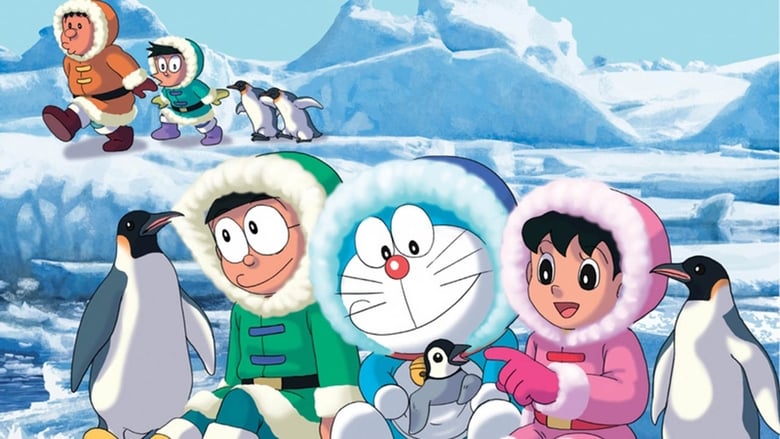
Visually, the film takes full advantage of its Antarctic setting, contrasting the vibrant, candy-colored amusement park created in the opening scenes with the stark, majestic blues and whites of the frozen continent. The design of the ancient ruins buried beneath the ice adds a layer of high-concept science fiction to the typically lighthearted adventure. Atsushi Takahashi's direction maintains a brisk pace, balancing slapstick humor—often courtesy of Gian and Suneo's antics—with genuinely tense moments, particularly during the climax when the group is fractured across time. The separation of Doraemon and Yuka-tan from Nobita and the others delivers a poignant emotional punch, highlighting the unbreakable bond between the titular cat and his young friend.
Critically, the film was praised for its ambitious, original plot and its ability to blend educational elements about Earth's history with the fantastical escapism the series is known for. It performed strongly at the Japanese box office, continuing the Doraemon franchise's unbroken streak of annual spring releases that have become a cultural institution. By choosing to tell a new story rather than remake a classic, 'Kachi Kochi' successfully captured the spirit of discovery that has defined Doraemon's adventures for decades, proving that the series could still break new ice while remaining true to its heart.

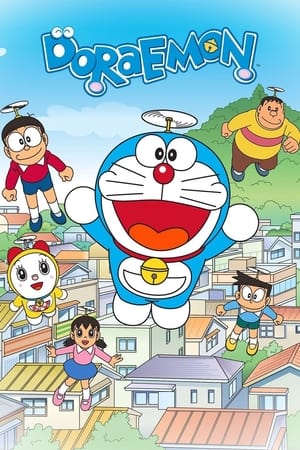
Doraemon is a Japanese manga series written and illustrated by Fujiko F. Fujio. It was first serialized in 1969 in various children's magazines published by Shogakukan. The story follows a robotic cat from the 22nd century named Doraemon, who is sent back in time to help a young boy named Nobita Nobi navigate the challenges of childhood and improve his future. Doraemon possesses a four-dimensional pocket from which he can produce futuristic gadgets, often leading to comedic and heartfelt adventures.
The manga chapters were collected into 45 tankōbon volumes between 1974 and 1996. Doraemon quickly became one of Japan's most beloved and iconic characters, winning numerous awards and achieving immense cultural significance. The series is considered a cornerstone of modern Japanese pop culture and has been a staple of children's entertainment for decades.
Beyond the manga, Doraemon spawned a massive media franchise including three anime television series, over forty animated feature films, video games, and a vast array of merchandise. The character has been recognized as a cultural ambassador for Japan and remains popular across Asia and globally, symbolizing friendship, imagination, and the wonders of technology.

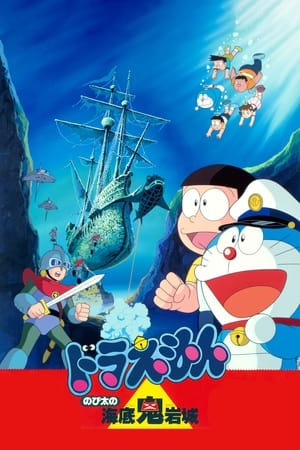
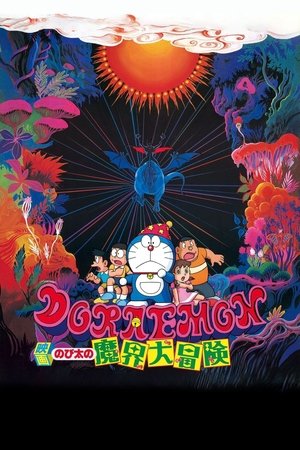
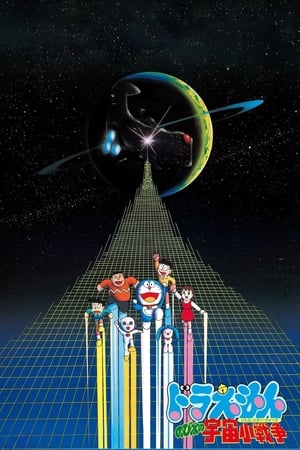
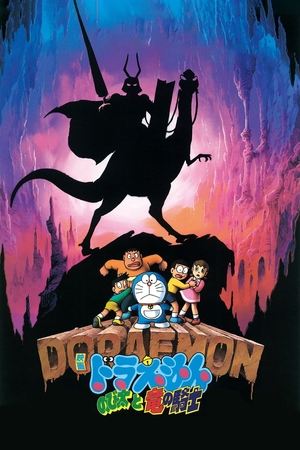
The Doraemon film series is a long-running collection of animated feature films based on the beloved manga and anime franchise created by Fujiko F. Fujio. Beginning in 1980 with 'Doraemon: Nobita's Dinosaur', the series has become an annual tradition in Japanese cinema, with new installments released almost every spring. These films typically follow the titular robotic cat from the 22nd century and his young friend Nobita Nobi as they embark on extraordinary adventures across time, space, and fantastical realms, often utilizing Doraemon's ingenious gadgets from his four-dimensional pocket. While the original manga and television series focus on everyday slice-of-life scenarios, the movies expand the narrative scope, introducing higher stakes, epic journeys, and environmental or moral themes that resonate with family audiences. The series has evolved through different eras of animation and storytelling, with many early films being direct adaptations of manga storylines, while later entries explore original plots and even reimaginings of classic tales. This enduring collection has cemented Doraemon as a cornerstone of Japanese popular culture, with the films consistently drawing large audiences and contributing to the character's status as an official cultural ambassador of Japan.