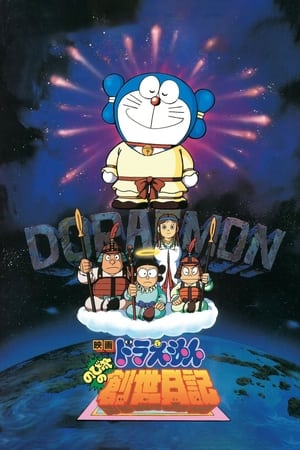
🎬 Doraemon: Nobita and the Birth of Japan (1989)
Part of Doraemon Movies
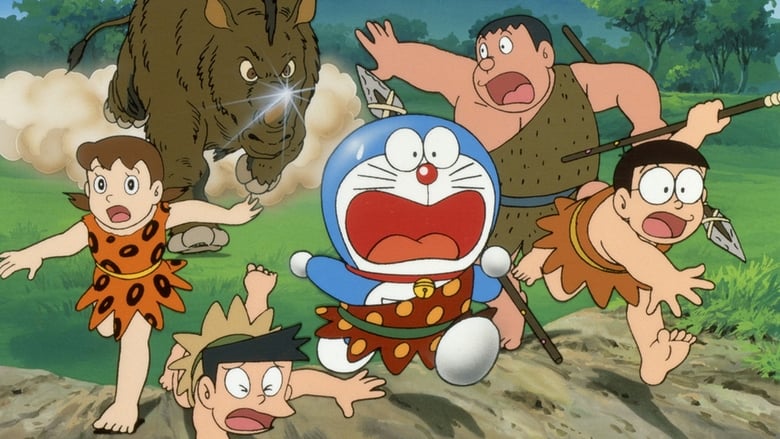
Released in 1989, "Doraemon: Nobita and the Birth of Japan" holds a special place in the franchise's history as the tenth feature film, a milestone that commemorated a decade of Doraemon's cinematic adventures. The story adapts the ninth volume of the "Doraemon Long Stories" manga, taking the core premise of childhood escapism and blowing it up to a prehistoric scale. When Nobita, driven by the universal desire to run away from home, finds modern Japan too crowded and regulated for a true fresh start, he proposes a radical solution: travel back 70,000 years to a time before humans settled the archipelago. This simple yet brilliant setup allows the film to explore themes of freedom and friendship against a backdrop of a wild, untamed Japan, blending the series' signature slapstick humor with a genuine sense of wonder.
The film is notable for its ambitious world-building, as Doraemon and his friends don't just visit the past—they colonize it. Using Doraemon's gadgets, they establish a miniature government with each member taking on a "ministry," creating a charmingly naive utopia. This idyllic existence is shattered by the arrival of a displaced prehistoric boy, Kukuru, who has been flung forward in time by a temporal vortex. The narrative pivots from a survival comedy to a rescue mission, as the group must confront the malevolent dark spirit Gigazombie and his tribe, who have enslaved Kukuru's people. This shift introduces genuine stakes and some of the franchise's more memorable antagonist designs, grounding the fantastic premise in a classic battle between good and evil.
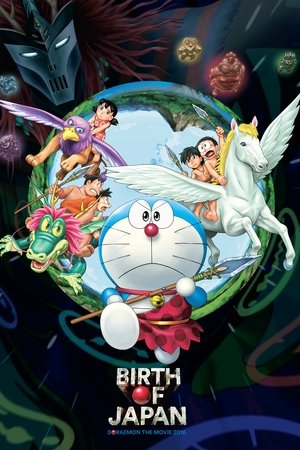
As a commemorative film, "Nobita and the Birth of Japan" was a significant box office success and is fondly remembered for its epic scope and emotional resonance. It weaves a surprisingly poignant origin story for Japan itself, linking the adventure directly to the nation's mythological roots. The film's enduring popularity was proven decades later when it was selected for a high-profile remake in 2016, "Doraemon: Nobita and the Birth of Japan 2016," which updated the animation and tightened the pacing for a new generation. The original, however, remains a beloved classic, a testament to the series' ability to transform a simple childhood fantasy into a grand, time-spanning saga about the very land beneath our feet.

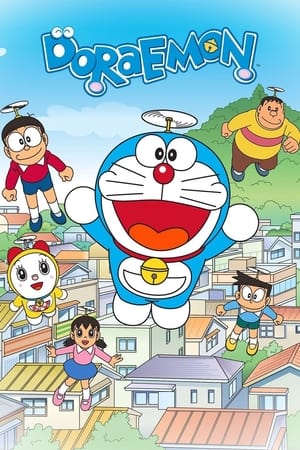
Doraemon is a Japanese manga series written and illustrated by Fujiko F. Fujio. It was first serialized in 1969 in various children's magazines published by Shogakukan. The story follows a robotic cat from the 22nd century named Doraemon, who is sent back in time to help a young boy named Nobita Nobi navigate the challenges of childhood and improve his future. Doraemon possesses a four-dimensional pocket from which he can produce futuristic gadgets, often leading to comedic and heartfelt adventures.
The manga chapters were collected into 45 tankōbon volumes between 1974 and 1996. Doraemon quickly became one of Japan's most beloved and iconic characters, winning numerous awards and achieving immense cultural significance. The series is considered a cornerstone of modern Japanese pop culture and has been a staple of children's entertainment for decades.
Beyond the manga, Doraemon spawned a massive media franchise including three anime television series, over forty animated feature films, video games, and a vast array of merchandise. The character has been recognized as a cultural ambassador for Japan and remains popular across Asia and globally, symbolizing friendship, imagination, and the wonders of technology.

The Doraemon film series is a long-running collection of animated feature films based on the beloved manga and anime franchise created by Fujiko F. Fujio. Beginning in 1980 with 'Doraemon: Nobita's Dinosaur', the series has become an annual tradition in Japanese cinema, with new installments released almost every spring. These films typically follow the titular robotic cat from the 22nd century and his young friend Nobita Nobi as they embark on extraordinary adventures across time, space, and fantastical realms, often utilizing Doraemon's ingenious gadgets from his four-dimensional pocket. While the original manga and television series focus on everyday slice-of-life scenarios, the movies expand the narrative scope, introducing higher stakes, epic journeys, and environmental or moral themes that resonate with family audiences. The series has evolved through different eras of animation and storytelling, with many early films being direct adaptations of manga storylines, while later entries explore original plots and even reimaginings of classic tales. This enduring collection has cemented Doraemon as a cornerstone of Japanese popular culture, with the films consistently drawing large audiences and contributing to the character's status as an official cultural ambassador of Japan.