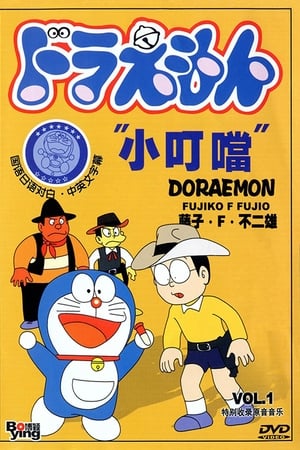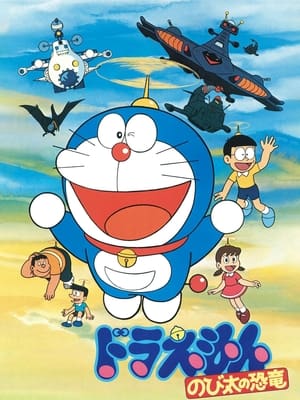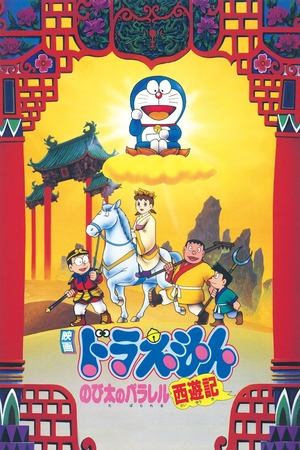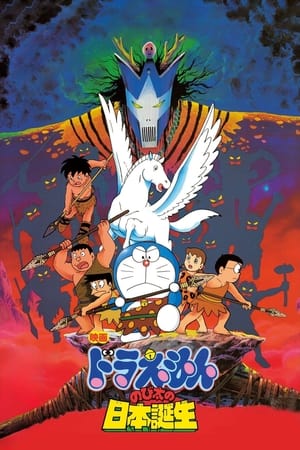
📺 Doraemon (1979)
Based on manga
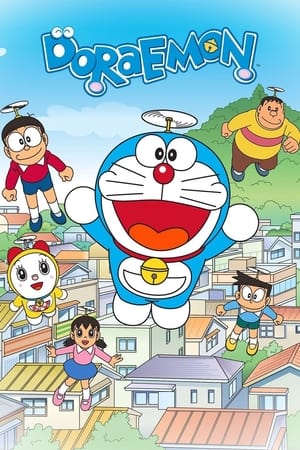
Premiering in 1979, this second attempt to bring Fujiko F. Fujio’s beloved manga to television became the definitive animated version for generations of viewers. Produced by Shin-Ei Animation and broadcast on TV Asahi, the series ran for an astonishing 26 years, amassing over 1,700 episodes. It is often referred to as the Ōyama Edition in honor of Nobuyo Ōyama, whose instantly recognizable, slightly raspy voice defined the character of Doraemon for the entirety of this long-running adaptation. While the 1973 series by Nippon Television was short-lived and largely disowned, the 1979 version meticulously captured the heart of the manga, balancing whimsical gadget-of-the-week adventures with the deeply human story of a struggling boy and his robotic guardian from the future.
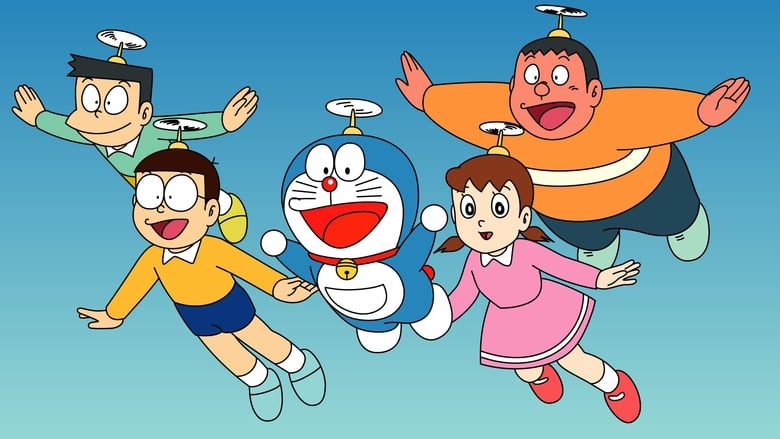
The series established the iconic visual and narrative template that the franchise would follow for decades. It faithfully adapted the episodic structure of the source material, where Doraemon pulls fantastical tools like the Anywhere Door or the Bamboo-Copter from his four-dimensional pocket to help Nobita, only for the boy’s laziness or hubris to create chaotic, often hilarious, consequences. The adaptation expanded the world of the manga, giving deeper personality to the supporting cast—the kind but firm Shizuka, the hot-headed bully Gian, and the sly, wealthy Suneo—and cementing their group dynamic. It also introduced a warmer, more sentimental tone at times, emphasizing the bond between Doraemon and Nobita, which resonated deeply with audiences and turned the show into a cultural institution in Japan.
Internationally, the 1979 series had a curious and fragmented journey. It was dubbed for broadcast in dozens of countries, but its English-language history is particularly patchwork. One of the earliest official English dubs, retitled The Adventures of Albert and Sidney, was produced in Canada by CINAR and aired in Barbados, significantly altering character names and cultural context. A later English dub was produced in Singapore in the early 2000s, while an unofficial bootleg version circulated in Malaysia on VCD. These scattered releases meant that, unlike the unified global branding of later iterations, this version reached the English-speaking world in a piecemeal fashion, creating pockets of fandom rather than a monolithic international hit.
Despite its eventual conclusion in 2005 to make way for a modernized reboot, the Ōyama Edition remains a towering achievement in anime history. It is the longest-running of the three Doraemon animated shows, and its voice cast, particularly Ōyama’s performance, is etched into the collective memory of Japanese pop culture. The series did not just adapt a manga; it built the foundation for a multimedia empire, setting the standard for character design, music, and storytelling that the 2005 series would respectfully update with new technology. For millions, this is not merely an adaptation—it is the definitive Doraemon.

Doraemon is a Japanese manga series written and illustrated by Fujiko F. Fujio. It was first serialized in 1969 in various children's magazines published by Shogakukan. The story follows a robotic cat from the 22nd century named Doraemon, who is sent back in time to help a young boy named Nobita Nobi navigate the challenges of childhood and improve his future. Doraemon possesses a four-dimensional pocket from which he can produce futuristic gadgets, often leading to comedic and heartfelt adventures.
The manga chapters were collected into 45 tankōbon volumes between 1974 and 1996. Doraemon quickly became one of Japan's most beloved and iconic characters, winning numerous awards and achieving immense cultural significance. The series is considered a cornerstone of modern Japanese pop culture and has been a staple of children's entertainment for decades.
Beyond the manga, Doraemon spawned a massive media franchise including three anime television series, over forty animated feature films, video games, and a vast array of merchandise. The character has been recognized as a cultural ambassador for Japan and remains popular across Asia and globally, symbolizing friendship, imagination, and the wonders of technology.