🎬 Doraemon: Nobita and the Birth of Japan (2016)
Part of Doraemon Movies
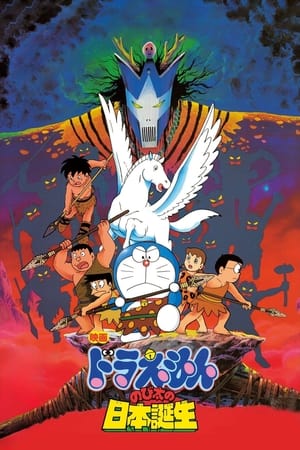
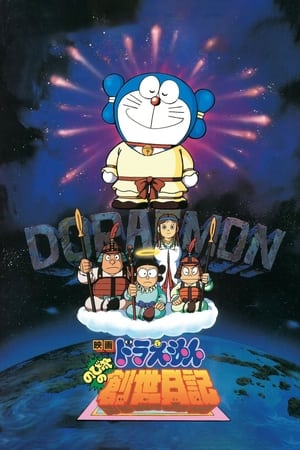
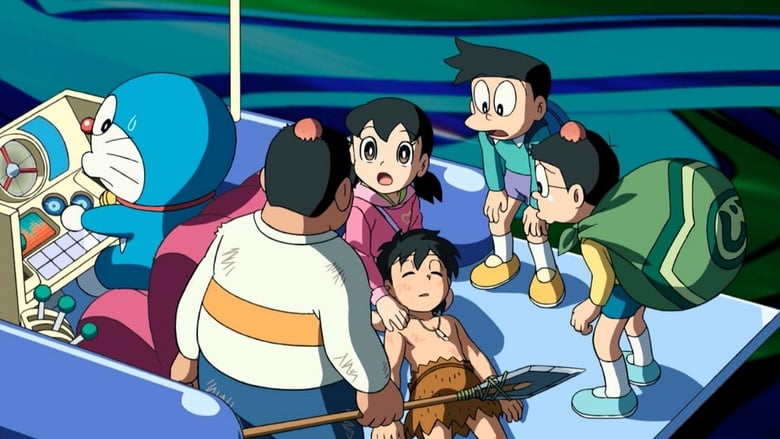
Doraemon the Movie: Nobita and the Birth of Japan 2016 is a fascinating case study in the art of the remake, taking one of the franchise's most beloved adventures and giving it a modern sheen. Directed by Shinnosuke Yakuwa, this 36th entry in the long-running film series is a direct update of the 1989 classic of the same name. The core premise remains a delightful flight of fancy: feeling overwhelmed by the pressures of modern life, Nobita and his friends decide to run away from home, traveling 70,000 years into the past to a pristine, unpopulated Japan. There, they use Doraemon's gadgets to create their own idyllic world, complete with custom-designed fantasy pets. The 2016 version retains this charming setup but significantly expands the emotional depth and visual scope, transforming the original's simpler narrative into a more epic and character-driven saga.
The most notable change is the introduction of Kukuru, a boy from the prehistoric Kōan tribe, whose role is greatly expanded from the original film. The 2016 remake delves deeper into his personal journey and his connection to the group, making the conflict with the antagonistic Gigazombie and his time-displaced tribe feel more urgent and personal. The animation, of course, benefits from nearly three decades of technological advancement, rendering the ancient landscapes of Japan with lush, vibrant detail. The character designs are updated to match the contemporary anime series, and the action sequences are more dynamic. A key thematic addition is the emphasis on the genuine origins of the Japanese people, weaving a subtle educational thread about migration and ancestry into the adventure without sacrificing the story's playful spirit.
Upon its release in March 2016, the film was a substantial commercial success, becoming the seventh highest-grossing Japanese film of the year. It resonated strongly with audiences who grew up with the 1989 original while also captivating a new generation of viewers. The film's reach extended beyond the cinema, spawning a Nintendo 3DS video game released just days before the movie's premiere. Its international availability, including an English-subtitled release on iTunes in parts of Asia and on home video in Hong Kong, highlighted the global appetite for Doraemon's timeless adventures. The remake was praised for balancing nostalgia with innovation, proving that a well-loved story could be retold with fresh emotional resonance and spectacular new visuals without losing the heart that made it a classic in the first place.

Doraemon is a Japanese manga series written and illustrated by Fujiko F. Fujio. It was first serialized in 1969 in various children's magazines published by Shogakukan. The story follows a robotic cat from the 22nd century named Doraemon, who is sent back in time to help a young boy named Nobita Nobi navigate the challenges of childhood and improve his future. Doraemon possesses a four-dimensional pocket from which he can produce futuristic gadgets, often leading to comedic and heartfelt adventures.
The manga chapters were collected into 45 tankōbon volumes between 1974 and 1996. Doraemon quickly became one of Japan's most beloved and iconic characters, winning numerous awards and achieving immense cultural significance. The series is considered a cornerstone of modern Japanese pop culture and has been a staple of children's entertainment for decades.
Beyond the manga, Doraemon spawned a massive media franchise including three anime television series, over forty animated feature films, video games, and a vast array of merchandise. The character has been recognized as a cultural ambassador for Japan and remains popular across Asia and globally, symbolizing friendship, imagination, and the wonders of technology.

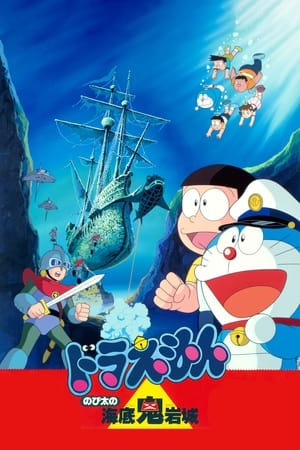
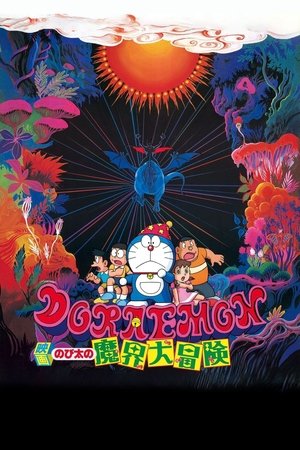
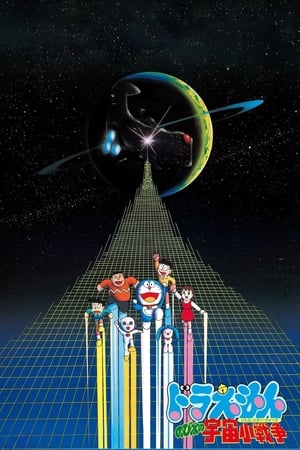
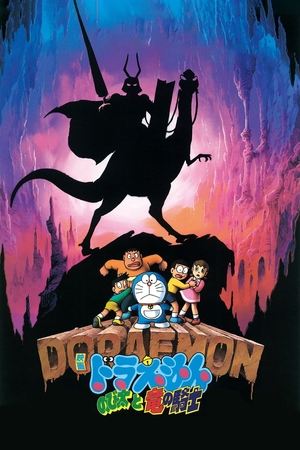
The Doraemon film series is a long-running collection of animated feature films based on the beloved manga and anime franchise created by Fujiko F. Fujio. Beginning in 1980 with 'Doraemon: Nobita's Dinosaur', the series has become an annual tradition in Japanese cinema, with new installments released almost every spring. These films typically follow the titular robotic cat from the 22nd century and his young friend Nobita Nobi as they embark on extraordinary adventures across time, space, and fantastical realms, often utilizing Doraemon's ingenious gadgets from his four-dimensional pocket. While the original manga and television series focus on everyday slice-of-life scenarios, the movies expand the narrative scope, introducing higher stakes, epic journeys, and environmental or moral themes that resonate with family audiences. The series has evolved through different eras of animation and storytelling, with many early films being direct adaptations of manga storylines, while later entries explore original plots and even reimaginings of classic tales. This enduring collection has cemented Doraemon as a cornerstone of Japanese popular culture, with the films consistently drawing large audiences and contributing to the character's status as an official cultural ambassador of Japan.