🎬 Doraemon: Nobita's Chronicle of the Moon Exploration (2019)
Part of Doraemon Movies
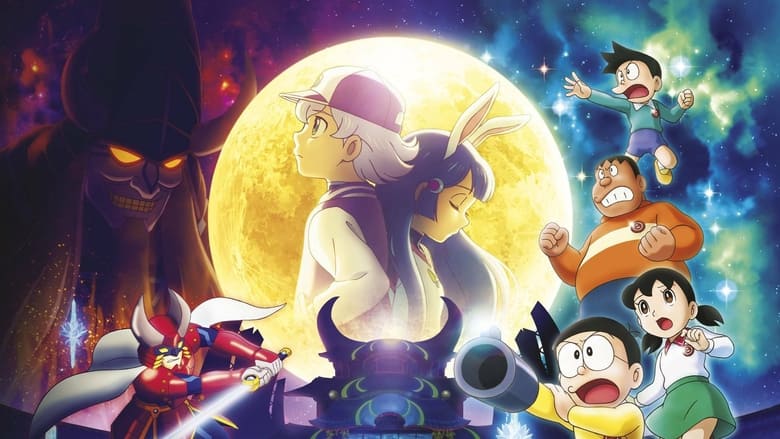
Doraemon: Nobita's Chronicle of the Moon Exploration stands as a particularly significant entry in the long-running film franchise, as it was the final Doraemon movie to premiere during Japan's Heisei era, arriving in theaters on March 1, 2019, just two months before the imperial transition to Reiwa. Directed by Shinnosuke Yakuwa with a screenplay by acclaimed novelist Mizuki Tsujimura, the film brought a fresh literary sensibility to the beloved robotic cat's adventures. Tsujimura, known for her mystery and fantasy novels, infused the story with a sense of wonder and thematic depth that distinguishes it from many of its predecessors, centering on the power of imagination and belief in the face of skepticism.
The plot draws on the classic Doraemon formula while introducing original elements not found in Fujiko F. Fujio's manga. When Nobita's classmates mock his belief in the Moon Rabbit legend, Doraemon employs the "Divergent View Badge" gadget to create a habitable atmosphere on the lunar surface, where they craft a rabbit companion named Moonbit from animal clay. The story deepens with the arrival of a mysterious new transfer student named Luca, who harbors secrets connected to an ancient civilization on the far side of the Moon. This narrative choice reflects a recurring theme in the Doraemon films: using futuristic technology to explore folklore and mythology, bridging the gap between scientific curiosity and childhood imagination.
Unlike many Doraemon films that directly adapt existing "Doraemon Long Stories" manga volumes, Chronicle of the Moon Exploration is an original story crafted specifically for the screen. This allowed the creative team to design a narrative that feels both timeless and contemporary, addressing themes of isolation, otherness, and environmental stewardship through Luca's people, the Espal, who have lived hidden on the Moon for millennia. The film's visual design is notably lush, with the lunar landscapes rendered in ethereal blues and purples, creating a dreamlike quality that complements the story's emphasis on perception and belief. The gadget-driven humor remains intact, but it is balanced with genuinely poignant moments that resonate with audiences of all ages.
Upon release, the film was a commercial success and received positive reviews for its imaginative storytelling and emotional resonance. It continued the franchise's tradition of blending educational elements with entertainment, introducing young viewers to concepts of lunar exploration while spinning a fantastical tale of friendship across worlds. The film's international rollout was notably staggered, reaching several Asian markets in March 2020 and eventually premiering in India in January 2023, demonstrating the enduring global appeal of Doraemon as a cultural ambassador for Japanese animation.

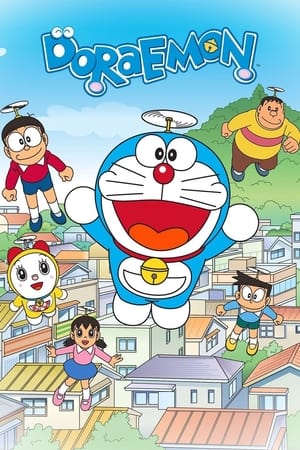
Doraemon is a Japanese manga series written and illustrated by Fujiko F. Fujio. It was first serialized in 1969 in various children's magazines published by Shogakukan. The story follows a robotic cat from the 22nd century named Doraemon, who is sent back in time to help a young boy named Nobita Nobi navigate the challenges of childhood and improve his future. Doraemon possesses a four-dimensional pocket from which he can produce futuristic gadgets, often leading to comedic and heartfelt adventures.
The manga chapters were collected into 45 tankōbon volumes between 1974 and 1996. Doraemon quickly became one of Japan's most beloved and iconic characters, winning numerous awards and achieving immense cultural significance. The series is considered a cornerstone of modern Japanese pop culture and has been a staple of children's entertainment for decades.
Beyond the manga, Doraemon spawned a massive media franchise including three anime television series, over forty animated feature films, video games, and a vast array of merchandise. The character has been recognized as a cultural ambassador for Japan and remains popular across Asia and globally, symbolizing friendship, imagination, and the wonders of technology.

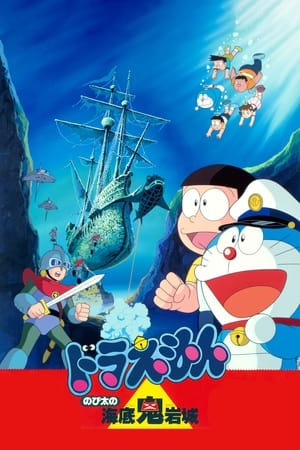
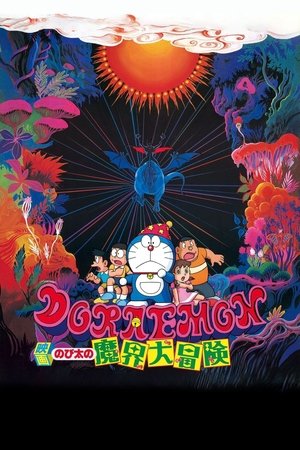
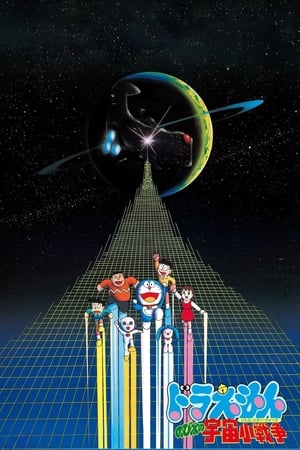
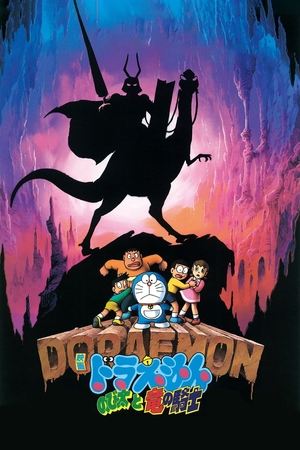
The Doraemon film series is a long-running collection of animated feature films based on the beloved manga and anime franchise created by Fujiko F. Fujio. Beginning in 1980 with 'Doraemon: Nobita's Dinosaur', the series has become an annual tradition in Japanese cinema, with new installments released almost every spring. These films typically follow the titular robotic cat from the 22nd century and his young friend Nobita Nobi as they embark on extraordinary adventures across time, space, and fantastical realms, often utilizing Doraemon's ingenious gadgets from his four-dimensional pocket. While the original manga and television series focus on everyday slice-of-life scenarios, the movies expand the narrative scope, introducing higher stakes, epic journeys, and environmental or moral themes that resonate with family audiences. The series has evolved through different eras of animation and storytelling, with many early films being direct adaptations of manga storylines, while later entries explore original plots and even reimaginings of classic tales. This enduring collection has cemented Doraemon as a cornerstone of Japanese popular culture, with the films consistently drawing large audiences and contributing to the character's status as an official cultural ambassador of Japan.