🎬 Doraemon the Movie: Nobita's Sky Utopia (2023)
Part of Doraemon Movies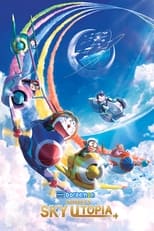
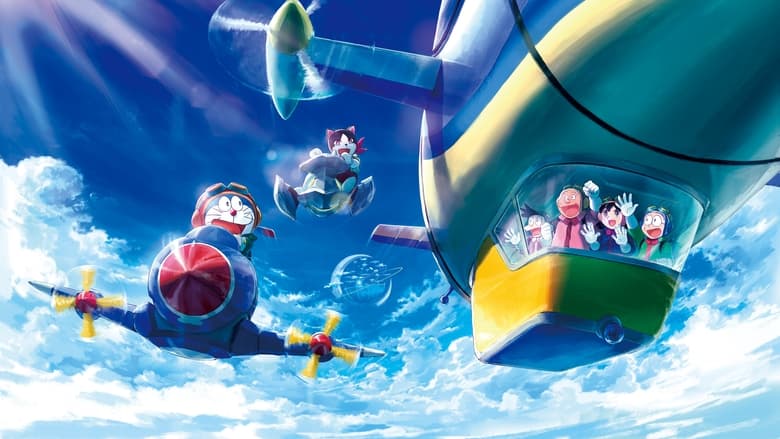
As the 42nd entry in the long-running Doraemon film franchise, Nobita's Sky Utopia takes the familiar cast on a high-flying adventure that questions the very nature of a perfect society. Directed by Takumi Doyama and written by Ryota Furusawa, the film taps into the classic Doraemon theme of using futuristic gadgets to explore grand philosophical ideas, this time focusing on the allure and danger of a world without conflict. The story follows Nobita's quest to find a real-life utopia, leading the gang to the floating city of Paradapia, a seemingly idyllic paradise governed by three sages and protected by a perfect cat robot named Sonya.
The film distinguishes itself from many other Doraemon movies by introducing a darker, more psychological threat. The central conflict isn't a straightforward battle against a monster or a villain, but a struggle against subtle mind control. The revelation that Paradapia is a brainwashing facility designed to strip away individuality and free will adds a layer of dystopian science fiction to the colorful adventure. This narrative choice allows for a deeper exploration of the characters' bonds, as Nobita must resist the pacifying effects of the city and help his friends break free from a happiness that is not truly their own.
A key element of the film's identity is its music, featuring the theme song "Paradise" by the popular J-pop group NiziU. In a notable cross-franchise collaboration, the song was co-written and arranged by members of the K-pop group Stray Kids' producing team 3RACHA, giving the soundtrack a contemporary, international flavor that helped connect the decades-old franchise with a new generation of listeners. The character of Sonya, the flawless cat robot who ultimately sacrifices himself to save everyone, serves as a poignant foil to Doraemon, a famously flawed and lovable robot, highlighting the film's message that imperfection is an essential part of genuine life and friendship.
Upon its release in March 2023, Nobita's Sky Utopia continued the franchise's tradition of box office success, resonating with audiences through its blend of whimsical adventure and thoughtful commentary. While it is an original story not directly based on a specific manga volume, it faithfully carries the spirit of Fujiko F. Fujio's creation by using a fantastical setting to address timeless human concerns about freedom, identity, and the true meaning of happiness.

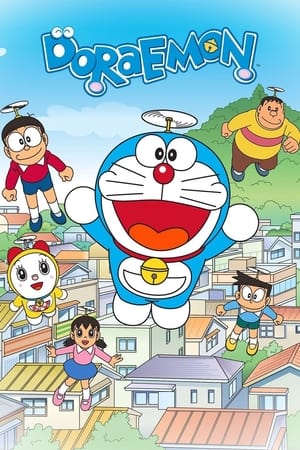
Doraemon is a Japanese manga series written and illustrated by Fujiko F. Fujio. It was first serialized in 1969 in various children's magazines published by Shogakukan. The story follows a robotic cat from the 22nd century named Doraemon, who is sent back in time to help a young boy named Nobita Nobi navigate the challenges of childhood and improve his future. Doraemon possesses a four-dimensional pocket from which he can produce futuristic gadgets, often leading to comedic and heartfelt adventures.
The manga chapters were collected into 45 tankōbon volumes between 1974 and 1996. Doraemon quickly became one of Japan's most beloved and iconic characters, winning numerous awards and achieving immense cultural significance. The series is considered a cornerstone of modern Japanese pop culture and has been a staple of children's entertainment for decades.
Beyond the manga, Doraemon spawned a massive media franchise including three anime television series, over forty animated feature films, video games, and a vast array of merchandise. The character has been recognized as a cultural ambassador for Japan and remains popular across Asia and globally, symbolizing friendship, imagination, and the wonders of technology.

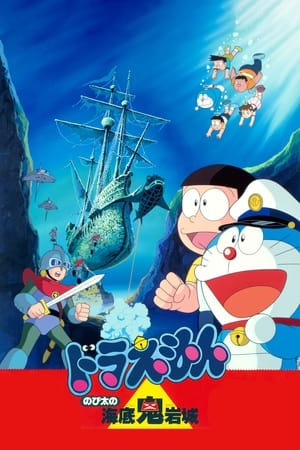
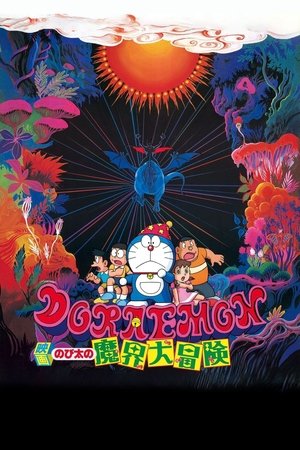
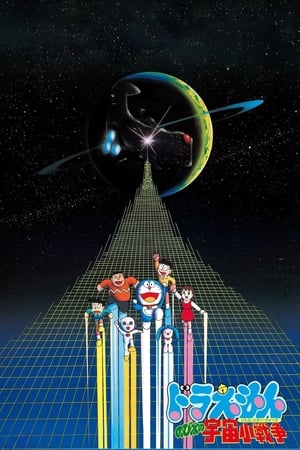
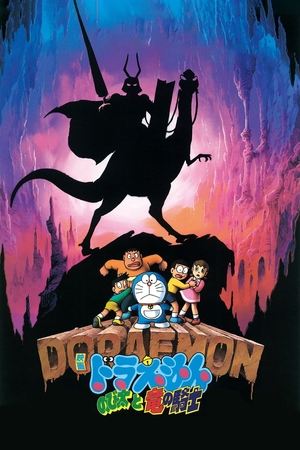
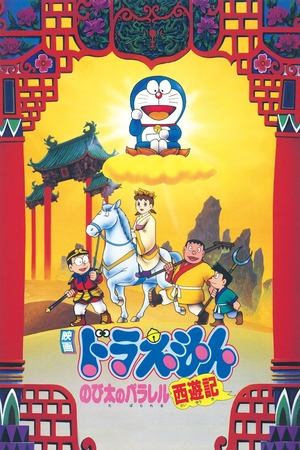
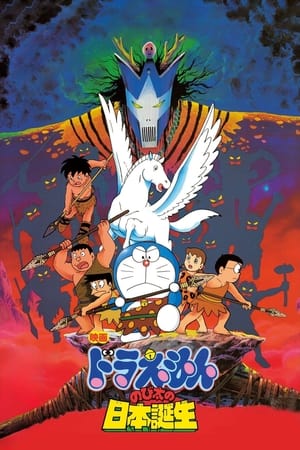
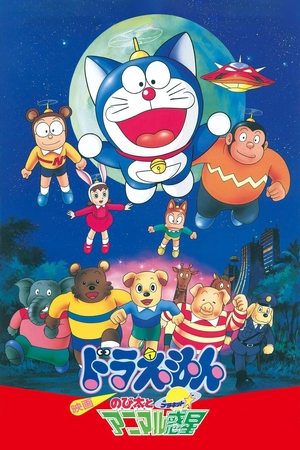
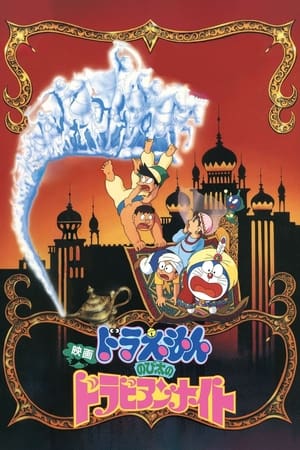
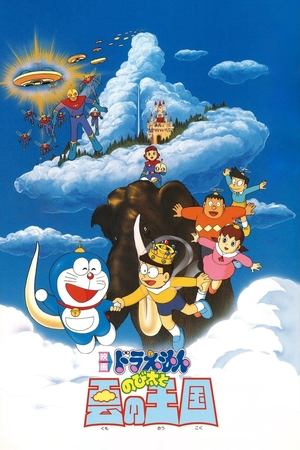
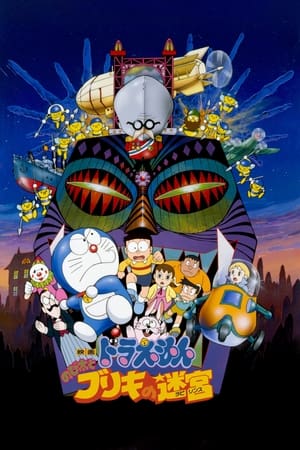
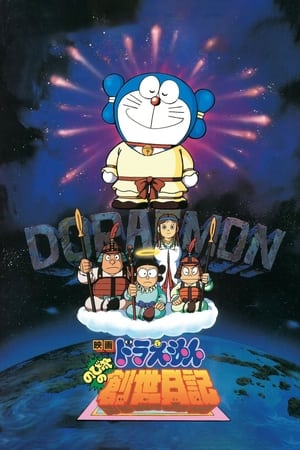
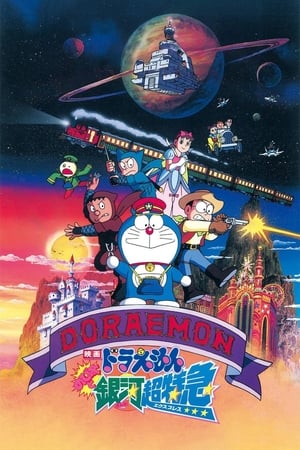
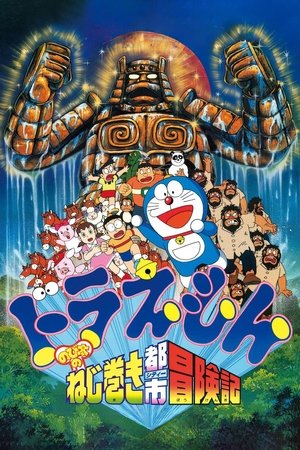
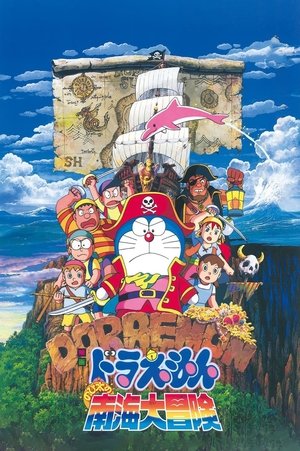
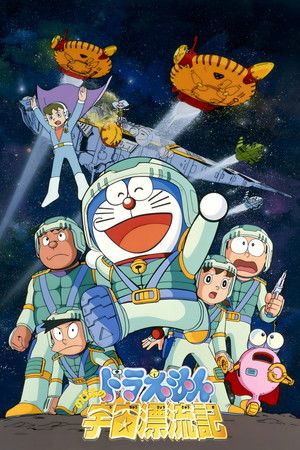
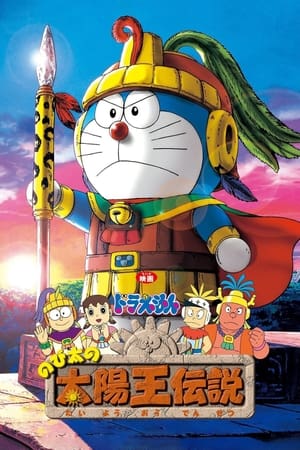
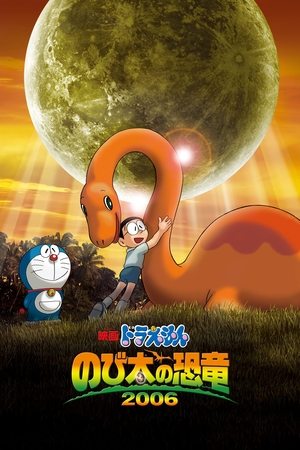
The Doraemon film series is a long-running collection of animated feature films based on the beloved manga and anime franchise created by Fujiko F. Fujio. Beginning in 1980 with 'Doraemon: Nobita's Dinosaur', the series has become an annual tradition in Japanese cinema, with new installments released almost every spring. These films typically follow the titular robotic cat from the 22nd century and his young friend Nobita Nobi as they embark on extraordinary adventures across time, space, and fantastical realms, often utilizing Doraemon's ingenious gadgets from his four-dimensional pocket. While the original manga and television series focus on everyday slice-of-life scenarios, the movies expand the narrative scope, introducing higher stakes, epic journeys, and environmental or moral themes that resonate with family audiences. The series has evolved through different eras of animation and storytelling, with many early films being direct adaptations of manga storylines, while later entries explore original plots and even reimaginings of classic tales. This enduring collection has cemented Doraemon as a cornerstone of Japanese popular culture, with the films consistently drawing large audiences and contributing to the character's status as an official cultural ambassador of Japan.