🎬 Doraemon the Movie: Nobita's Art World Tales (2025)
Part of Doraemon Movies
Marking the 45th anniversary of the Doraemon theatrical franchise, "Doraemon the Movie: Nobita's Art World Tales" takes the beloved robotic cat and his friends on a visually inventive journey that literally leaps into the canvas. Directed by Yukiyo Teramoto with a script by Satoshi Itō, the 44th feature film diverges from the typical outer-space or prehistoric adventures by centering its story on a mysterious painting. The plot kicks off when Nobita, struggling with a drawing assignment, uses the gadget "Entering Light" to hop into artworks for inspiration. This playful premise quickly escalates into a time-spanning mystery when a peculiar painting of a girl and a bat falls into his lap, connecting present-day Tokyo to a 13th-century European-style castle and its runaway princess, Claire.
The film’s core adaptation strength lies in how it reimagines Fujiko F. Fujio’s classic formula through an art-historical lens. Rather than simply using a gadget to visit a painted world, the story weaves a dual-narrative structure that cuts between Nobita’s modern suburban chaos and Princess Claire’s medieval predicament. The collision of these two worlds creates a unique comedic friction—epitomized by Claire’s bewildering escape into Tokyo, where Nobita’s mother is more horrified by the princess wearing shoes indoors than by the appearance of a time-displaced royal. This blend of high-concept science fantasy and mundane domestic humor stays true to the spirit of the original manga while giving the 2025 film a distinct identity.
Visually and thematically, "Art World Tales" pushes the franchise into new territory by making the very medium of painting a central plot device. The “Entering Light” allows the animators to shift between the familiar, clean lines of the Doraemon universe and more stylized, painterly environments that evoke classical European art. This not only serves the adventure but also subtly reinforces the film’s underlying message about creativity and perspective—fitting for a story that begins with Nobita’s artistic frustrations. The inclusion of a holographic, color-shifting painting as a key artifact also nods to the series’ long-standing fascination with futuristic technology, updating the concept of a magical portrait for a generation raised on augmented reality.
Released in Japan on March 7, 2025, the film features the current main voice cast, including Wasabi Mizuta as Doraemon and Megumi Ohara as Nobita, alongside guest stars like Atsumi Tanezaki and Misaki Kuno. With a score by veteran composer Takayuki Hattori, the production maintains the high technical standard expected of the annual releases from Shin-Ei Animation. While it celebrates a major milestone for the film series, "Nobita's Art World Tales" doesn’t rest on nostalgia alone; it actively experiments with the franchise’s boundaries, proving that even after 45 years of cinematic outings, Doraemon’s four-dimensional pocket still has room for fresh, imaginative tales.

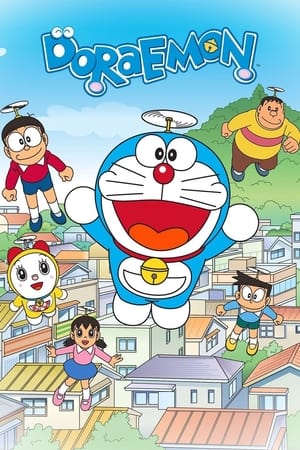
Doraemon is a Japanese manga series written and illustrated by Fujiko F. Fujio. It was first serialized in 1969 in various children's magazines published by Shogakukan. The story follows a robotic cat from the 22nd century named Doraemon, who is sent back in time to help a young boy named Nobita Nobi navigate the challenges of childhood and improve his future. Doraemon possesses a four-dimensional pocket from which he can produce futuristic gadgets, often leading to comedic and heartfelt adventures.
The manga chapters were collected into 45 tankōbon volumes between 1974 and 1996. Doraemon quickly became one of Japan's most beloved and iconic characters, winning numerous awards and achieving immense cultural significance. The series is considered a cornerstone of modern Japanese pop culture and has been a staple of children's entertainment for decades.
Beyond the manga, Doraemon spawned a massive media franchise including three anime television series, over forty animated feature films, video games, and a vast array of merchandise. The character has been recognized as a cultural ambassador for Japan and remains popular across Asia and globally, symbolizing friendship, imagination, and the wonders of technology.

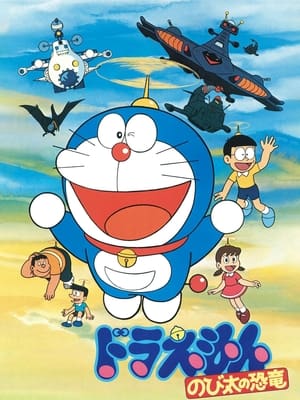
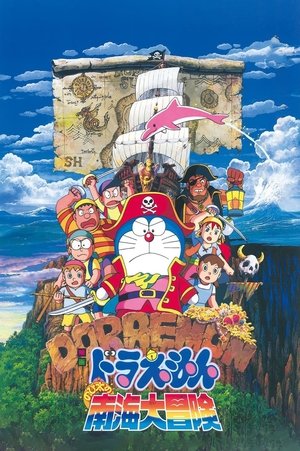
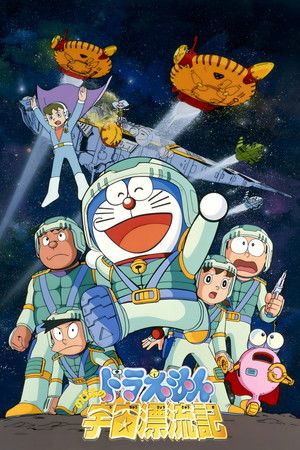
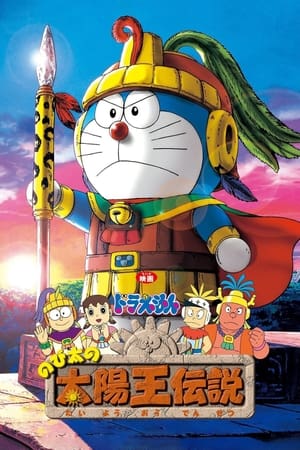
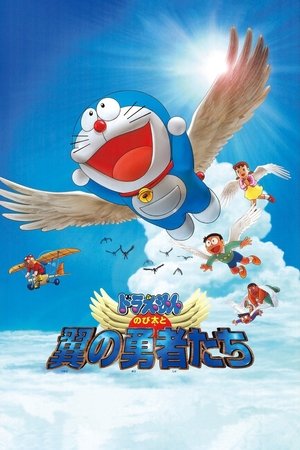
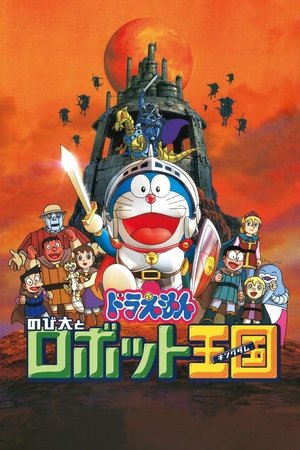
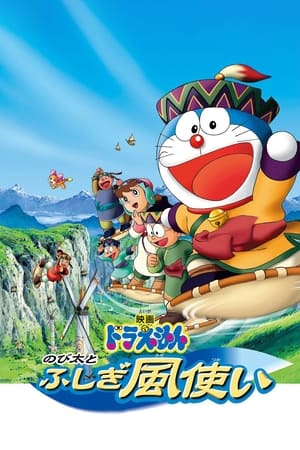
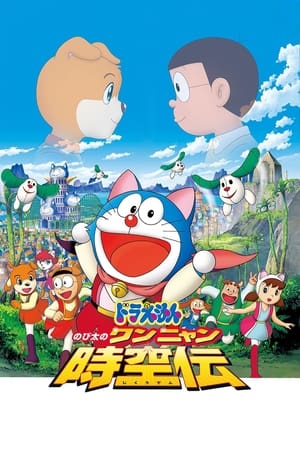
The Doraemon film series is a long-running collection of animated feature films based on the beloved manga and anime franchise created by Fujiko F. Fujio. Beginning in 1980 with 'Doraemon: Nobita's Dinosaur', the series has become an annual tradition in Japanese cinema, with new installments released almost every spring. These films typically follow the titular robotic cat from the 22nd century and his young friend Nobita Nobi as they embark on extraordinary adventures across time, space, and fantastical realms, often utilizing Doraemon's ingenious gadgets from his four-dimensional pocket. While the original manga and television series focus on everyday slice-of-life scenarios, the movies expand the narrative scope, introducing higher stakes, epic journeys, and environmental or moral themes that resonate with family audiences. The series has evolved through different eras of animation and storytelling, with many early films being direct adaptations of manga storylines, while later entries explore original plots and even reimaginings of classic tales. This enduring collection has cemented Doraemon as a cornerstone of Japanese popular culture, with the films consistently drawing large audiences and contributing to the character's status as an official cultural ambassador of Japan.