🎬 Doraemon the Movie: Nobita's Earth Symphony (2024)
Part of Doraemon Movies
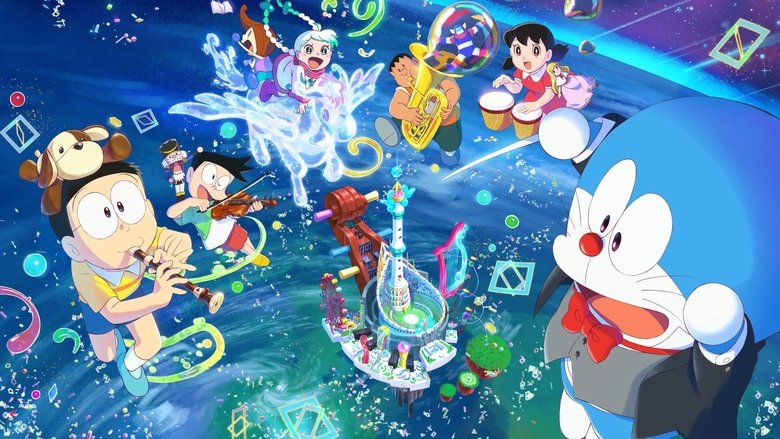
The 43rd entry in the long-running Doraemon film franchise, Nobita's Earth Symphony, orchestrates a fresh and melodic adventure that harmonizes the series' classic formula with a grand musical theme. Directed by Kazuaki Imai and written by Teruko Utsumi, the film takes the familiar core cast and plunges them into a cosmic crisis where music is quite literally the key to saving the world. Unlike many Doraemon films that adapt specific chapters from Fujiko F. Fujio's Doraemon's Long Tales manga, this 2024 release is an original story built around the universal language of music, using the source material's beloved characters and gadget-driven chaos as a springboard for a wholly new narrative.
The story cleverly weaponizes Nobita's signature ineptitude. His disastrous recorder playing, a source of his typical schoolyard humiliation, becomes the unlikely catalyst for the entire plot. After using a future diary gadget to wish music out of existence for a day, Nobita inadvertently attracts a cosmic, music-devouring entity known as Noise to Earth. This sets the stage for a journey to the Grand Hall of Farre, a dormant spaceship from the planet Mushka, where Nobita and his friends must join forces with a mysterious girl named Mikka to revive the vessel through musical performance, or 'farre.' The film's central irony is delightful: the boy who can barely play a single note correctly must become a virtuoso to prevent a silent apocalypse.
Nobita's Earth Symphony distinguishes itself by deeply integrating its theme into every layer of the story. Each main character is assigned a classical instrument—Gian on tuba, Suneo on violin, Shizuka on bongo, and Nobita, of course, stuck with the recorder—transforming the typical adventure party into a makeshift orchestra. The film's climax is a literal symphony, a composed piece titled 'Earth Symphony' performed to battle the Noise. In a wonderfully absurd and quintessentially Doraemon twist, the final performance is made possible not by Nobita mastering his instrument, but by his uniquely off-key recorder squeaks accidentally filling the missing notes of an ancient, powerful whistle. This reinforces the franchise's enduring message that even perceived weaknesses can become strengths.
Upon its release on March 1, 2024, the film was a significant box office success, grossing over $46 million and continuing the Doraemon series' unbroken streak as a staple of Japanese children's cinema. While it is a standalone story, the film subtly nods to the broader Doraemon mythos through its use of gadgets and the timeless dynamic between Doraemon and Nobita. By transforming a personal struggle with music into a planet-saving concert, Nobita's Earth Symphony delivers a resonant and entertaining experience that feels both comfortingly familiar and refreshingly inventive, proving that even after 43 films, the franchise can still find new notes to play.

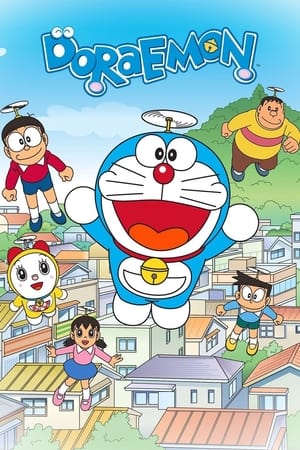
Doraemon is a Japanese manga series written and illustrated by Fujiko F. Fujio. It was first serialized in 1969 in various children's magazines published by Shogakukan. The story follows a robotic cat from the 22nd century named Doraemon, who is sent back in time to help a young boy named Nobita Nobi navigate the challenges of childhood and improve his future. Doraemon possesses a four-dimensional pocket from which he can produce futuristic gadgets, often leading to comedic and heartfelt adventures.
The manga chapters were collected into 45 tankōbon volumes between 1974 and 1996. Doraemon quickly became one of Japan's most beloved and iconic characters, winning numerous awards and achieving immense cultural significance. The series is considered a cornerstone of modern Japanese pop culture and has been a staple of children's entertainment for decades.
Beyond the manga, Doraemon spawned a massive media franchise including three anime television series, over forty animated feature films, video games, and a vast array of merchandise. The character has been recognized as a cultural ambassador for Japan and remains popular across Asia and globally, symbolizing friendship, imagination, and the wonders of technology.

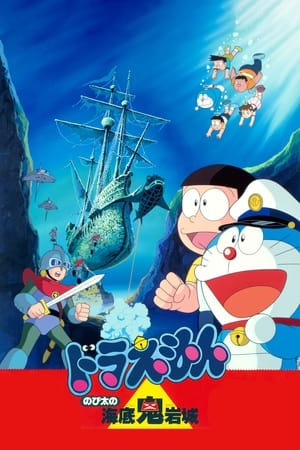
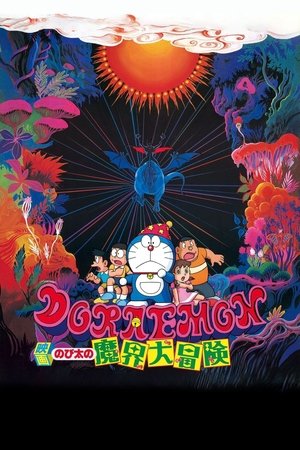
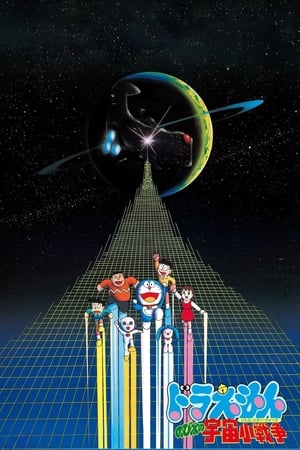
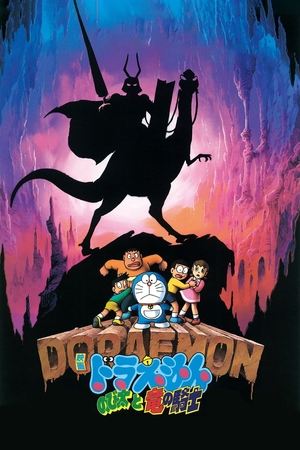
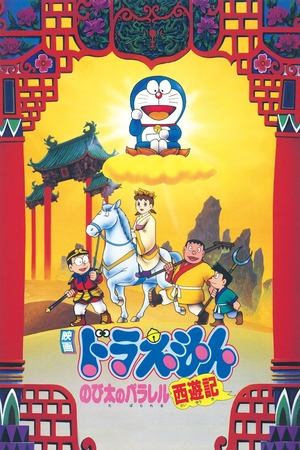
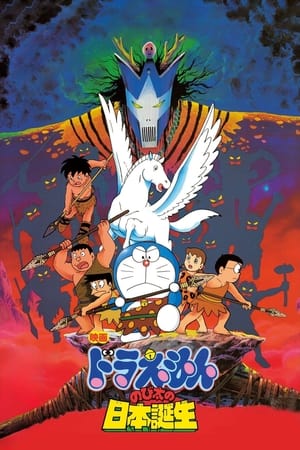
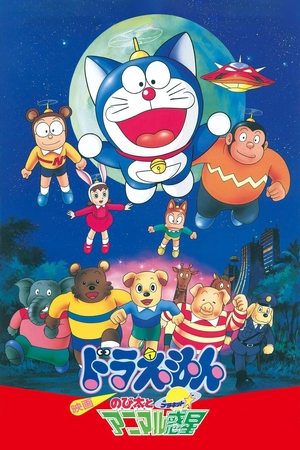
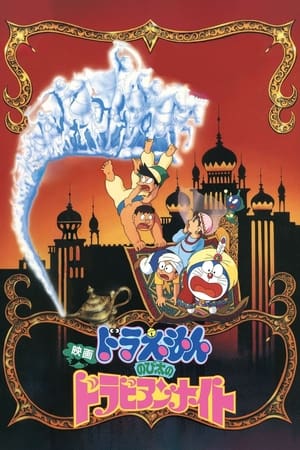
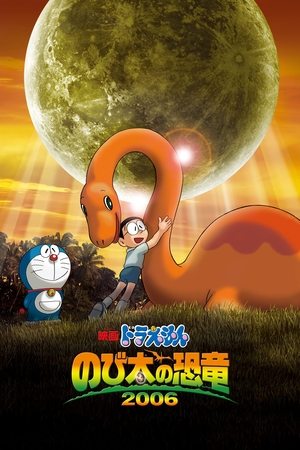
The Doraemon film series is a long-running collection of animated feature films based on the beloved manga and anime franchise created by Fujiko F. Fujio. Beginning in 1980 with 'Doraemon: Nobita's Dinosaur', the series has become an annual tradition in Japanese cinema, with new installments released almost every spring. These films typically follow the titular robotic cat from the 22nd century and his young friend Nobita Nobi as they embark on extraordinary adventures across time, space, and fantastical realms, often utilizing Doraemon's ingenious gadgets from his four-dimensional pocket. While the original manga and television series focus on everyday slice-of-life scenarios, the movies expand the narrative scope, introducing higher stakes, epic journeys, and environmental or moral themes that resonate with family audiences. The series has evolved through different eras of animation and storytelling, with many early films being direct adaptations of manga storylines, while later entries explore original plots and even reimaginings of classic tales. This enduring collection has cemented Doraemon as a cornerstone of Japanese popular culture, with the films consistently drawing large audiences and contributing to the character's status as an official cultural ambassador of Japan.