🎬 Doraemon: Nobita and the Space Heroes (2015)
Part of Doraemon Movies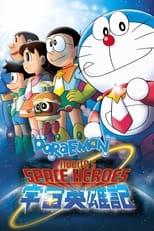
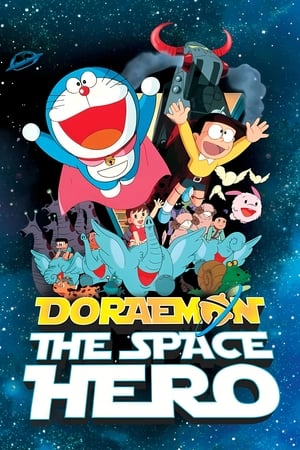
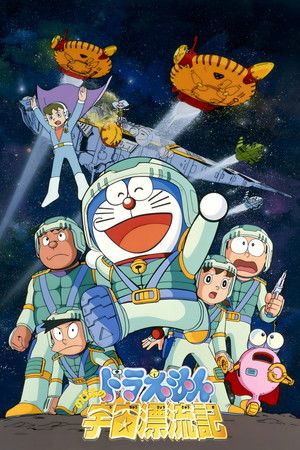
Marking the 35th anniversary of the Doraemon film series, "Doraemon: Nobita and the Space Heroes" takes a delightfully meta approach to its source material, framing its cosmic adventure through the lens of amateur filmmaking. The story kicks off when Nobita's friends—Suneo, Gian, and Shizuka—decide to shoot their own space hero movie inspired by a blockbuster called "Guardians of the Galaxy." Nobita, desperate for a starring role, is instead cast as the monster, prompting him to run to Doraemon for help. This playful setup allows the film to both parody and celebrate the grand sci-fi traditions that the Doraemon franchise has often explored, blending the everyday struggles of childhood with the limitless possibilities of Doraemon's gadgets.
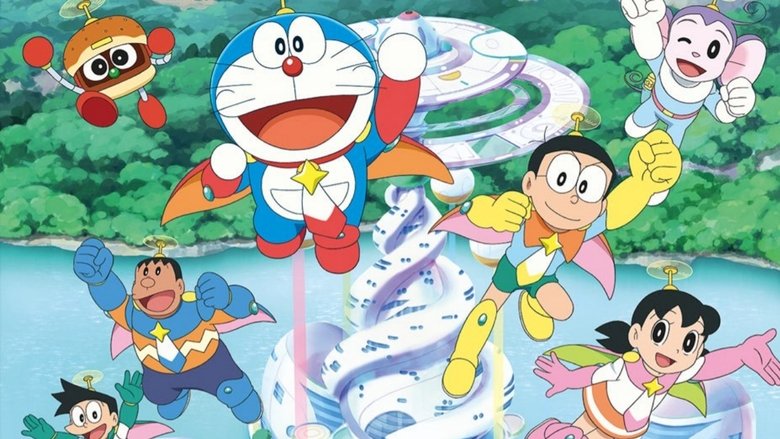
What sets this particular adaptation apart is how it transforms the familiar dynamic of the source material. Rather than simply stumbling into a real intergalactic crisis, the gang initially uses Doraemon's iconic "Director's Burger" gadget to bring their homemade film to life, only to find themselves entangled with an actual alien police force pursuing a dangerous fugitive. This blurring of fiction and reality is a clever twist on the manga's recurring theme of Nobita's fantasies spiraling out of control. The film leans heavily into superhero tropes, giving each character a unique power—Nobita gains stretchy limbs, Gian becomes a brute-force powerhouse, Suneo acquires technological armor, and Shizuka can manipulate water—creating a distinctly team-based dynamic that differs from the more gadget-of-the-week style of the original stories.
Visually and tonally, the film reflects the polished aesthetic of the 2005 anime series era, with vibrant action sequences and a strong emphasis on friendship and teamwork. While the manga often focused on the comedic fallout of misused future technology, this adaptation channels that energy into a structured superhero narrative complete with a galactic villain and a ticking clock to save the Earth. The film was well-received as a celebratory entry, honoring the franchise's longevity by both referencing its past space-faring adventures and injecting fresh, self-aware humor. It stands as a testament to how the core characters can be seamlessly transplanted into virtually any genre while retaining the heart that has made Doraemon a cultural icon for decades.

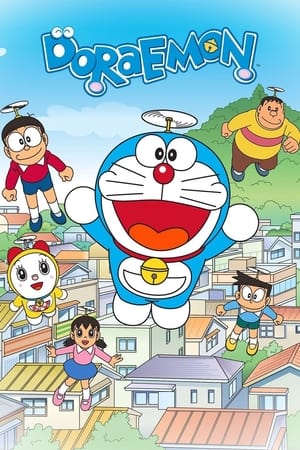
Doraemon is a Japanese manga series written and illustrated by Fujiko F. Fujio. It was first serialized in 1969 in various children's magazines published by Shogakukan. The story follows a robotic cat from the 22nd century named Doraemon, who is sent back in time to help a young boy named Nobita Nobi navigate the challenges of childhood and improve his future. Doraemon possesses a four-dimensional pocket from which he can produce futuristic gadgets, often leading to comedic and heartfelt adventures.
The manga chapters were collected into 45 tankōbon volumes between 1974 and 1996. Doraemon quickly became one of Japan's most beloved and iconic characters, winning numerous awards and achieving immense cultural significance. The series is considered a cornerstone of modern Japanese pop culture and has been a staple of children's entertainment for decades.
Beyond the manga, Doraemon spawned a massive media franchise including three anime television series, over forty animated feature films, video games, and a vast array of merchandise. The character has been recognized as a cultural ambassador for Japan and remains popular across Asia and globally, symbolizing friendship, imagination, and the wonders of technology.

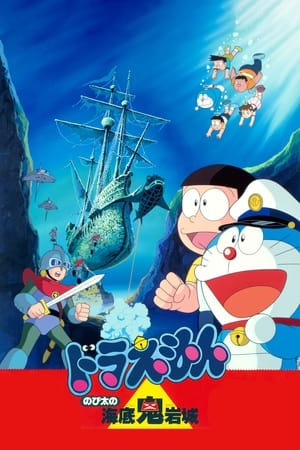
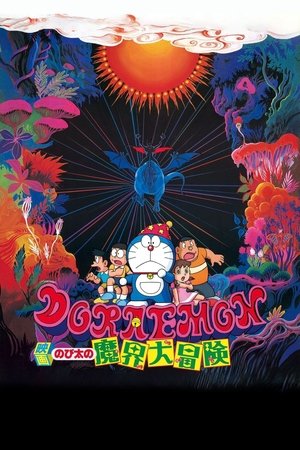
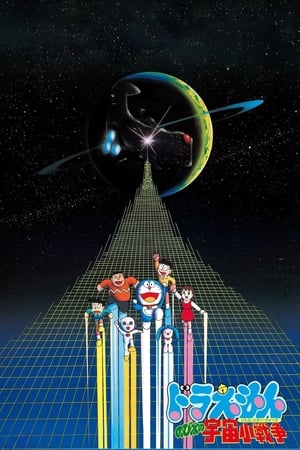
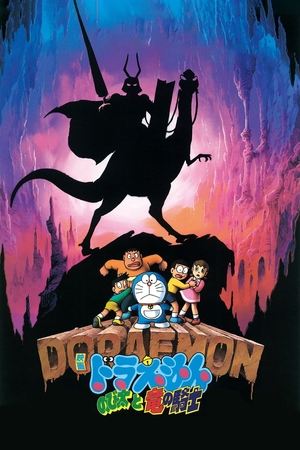
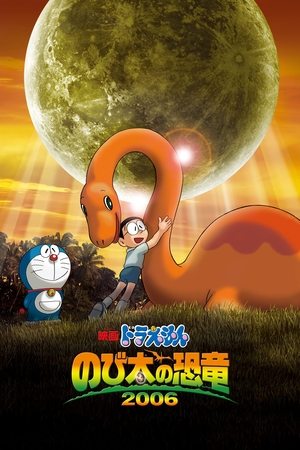
The Doraemon film series is a long-running collection of animated feature films based on the beloved manga and anime franchise created by Fujiko F. Fujio. Beginning in 1980 with 'Doraemon: Nobita's Dinosaur', the series has become an annual tradition in Japanese cinema, with new installments released almost every spring. These films typically follow the titular robotic cat from the 22nd century and his young friend Nobita Nobi as they embark on extraordinary adventures across time, space, and fantastical realms, often utilizing Doraemon's ingenious gadgets from his four-dimensional pocket. While the original manga and television series focus on everyday slice-of-life scenarios, the movies expand the narrative scope, introducing higher stakes, epic journeys, and environmental or moral themes that resonate with family audiences. The series has evolved through different eras of animation and storytelling, with many early films being direct adaptations of manga storylines, while later entries explore original plots and even reimaginings of classic tales. This enduring collection has cemented Doraemon as a cornerstone of Japanese popular culture, with the films consistently drawing large audiences and contributing to the character's status as an official cultural ambassador of Japan.