🎬 Stand by Me Doraemon (2014)
Part of Stand by Me Doraemon
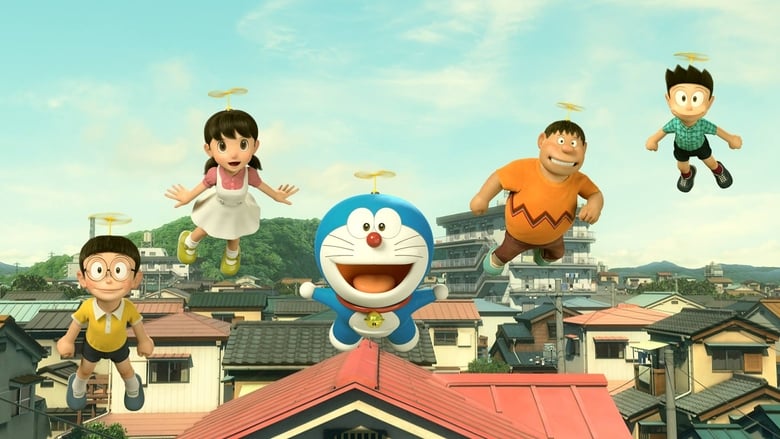
When "Stand by Me Doraemon" arrived in 2014, it wasn't just another entry in the franchise's long line of annual animated features — it was a radical visual reinvention. For the first time, the beloved characters were rendered in full 3D CGI, trading their traditional hand-drawn flatness for textured fur, expressive lighting, and a tangible sense of depth. Directed by Takashi Yamazaki and Ryūichi Yagi, the film deliberately set out to do something the 2D movies never could: stitch together the most emotionally resonant chapters of Fujiko F. Fujio's decades-spanning manga into a single, cohesive narrative arc. Rather than a standalone adventure, the story traces Nobita's journey from a hapless, bullied child to a young man capable of standing on his own, with Doraemon's presence acting as both a literal and emotional catalyst.
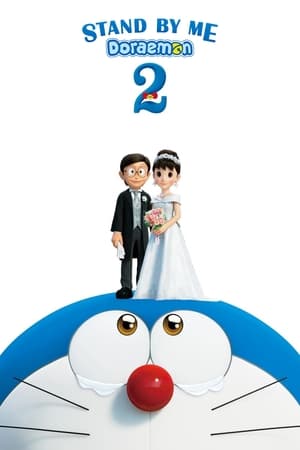
The film's structure is a carefully curated mosaic of iconic manga moments. It opens with the very first chapter, "All the Way From the Future," establishing Doraemon's arrival and his mission to improve Nobita's miserable life. From there, it weaves in the poignant "Mountain Rescue" and the heartbreaking "Goodbye Shizuka" — a segment that forces Doraemon to confront the programmatic nature of his own existence when he is required to return to the 22nd century. The climax builds toward the adult Nobita's wedding day, drawing heavily from "Doraemon: Nobita's Night Before a Wedding," and uses the "Imprinting Shizuka" chapter to resolve a critical emotional beat. This narrative compression means the film operates almost as a "greatest hits" album, prioritizing emotional payoff over episodic whimsy, which gave it a bittersweet weight unusual for children's animation.
Critically and commercially, the gamble paid off spectacularly. The film became the highest-grossing entry in the entire Doraemon franchise, dominating the Japanese box office for five consecutive weeks and ultimately earning $183.4 million worldwide. It was only outpaced in the 2014 animation market by Disney's "Frozen." The industry took notice too, awarding it the Japan Academy Prize for Animation of the Year. Audiences who grew up with the manga found themselves weeping at the hyper-realistic rendering of a story they'd known for decades, proving that the emotional core of Fujiko's work was strong enough to survive — and even be enhanced by — a technological overhaul. The English dub, premiered by Bang Zoom! Entertainment at the Tokyo International Film Festival, attempted to bring that same magic to a wider audience, though the film's deeply Japanese cultural rhythms remained its defining texture.
Perhaps the most telling legacy of "Stand by Me Doraemon" is how it reframed the central relationship. By focusing so intently on the inevitable separation between Doraemon and Nobita, the film transformed a comedic gadget-of-the-week premise into a meditation on growing up and letting go. It wasn't just about a robot cat fixing problems; it was about a boy learning to face life without his best friend. This emotional directness set a template that would later be revisited in its 2020 sequel, but the 2014 original remains a landmark — a film that dared to ask what it truly means to stand by someone, long after the gadgets are gone.

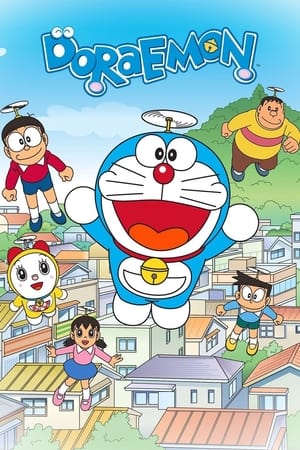
Doraemon is a Japanese manga series written and illustrated by Fujiko F. Fujio. It was first serialized in 1969 in various children's magazines published by Shogakukan. The story follows a robotic cat from the 22nd century named Doraemon, who is sent back in time to help a young boy named Nobita Nobi navigate the challenges of childhood and improve his future. Doraemon possesses a four-dimensional pocket from which he can produce futuristic gadgets, often leading to comedic and heartfelt adventures.
The manga chapters were collected into 45 tankōbon volumes between 1974 and 1996. Doraemon quickly became one of Japan's most beloved and iconic characters, winning numerous awards and achieving immense cultural significance. The series is considered a cornerstone of modern Japanese pop culture and has been a staple of children's entertainment for decades.
Beyond the manga, Doraemon spawned a massive media franchise including three anime television series, over forty animated feature films, video games, and a vast array of merchandise. The character has been recognized as a cultural ambassador for Japan and remains popular across Asia and globally, symbolizing friendship, imagination, and the wonders of technology.
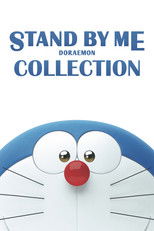
The Stand by Me Doraemon collection is a duology of Japanese 3DCG animated films that reimagine classic stories from the beloved Doraemon manga and anime series. Departing from the traditional 2D animation style, these films employ advanced computer-generated imagery to bring the whimsical gadgets and heartfelt adventures to life with a fresh, contemporary aesthetic. The collection adapts and weaves together several iconic short stories from the original work, creating cohesive narratives that explore the enduring friendship between the robotic cat Doraemon and the young boy Nobita Nobi. The first film, released in 2014, was a landmark achievement, becoming the highest-grossing film in the Doraemon franchise and demonstrating the powerful appeal of these characters in a new visual medium. A sequel followed in 2020, continuing the emotional journey and further exploring the themes of personal growth and the passage of time.\n\nAt its core, the duology delves deeply into themes of friendship, self-improvement, and the bittersweet nature of growing up. Rather than focusing solely on comedic escapades, the stories place a strong emphasis on the emotional bonds between the central characters, crafting narratives that resonate with both longtime fans and new audiences. The films use science fiction elements—such as time travel and futuristic gadgets—as a backdrop to examine human connections, nostalgia, and the importance of supporting one another through life's challenges. The narrative arc often centers on Nobita's desire to change his future for the better, leading to poignant reflections on fate, effort, and the value of the present moment.\n\nCulturally, the Stand by Me Doraemon films have been celebrated for successfully translating a cornerstone of Japanese popular culture into a globally accessible format. The first film's commercial success, both in Japan and internationally, highlighted a growing appreciation for emotionally driven 3DCG animation from Japan. By balancing lighthearted adventure with poignant drama, the collection has cemented its legacy as a significant modern adaptation that honors the spirit of Fujiko F. Fujio's original creation while pushing the boundaries of animated storytelling. The duology stands as a testament to the timeless appeal of Doraemon, proving that these characters and their stories can evolve with technology without losing their heart.