🎬 Doraemon: Nobita's Great Adventure in the South Seas (1998)
Part of Doraemon Movies
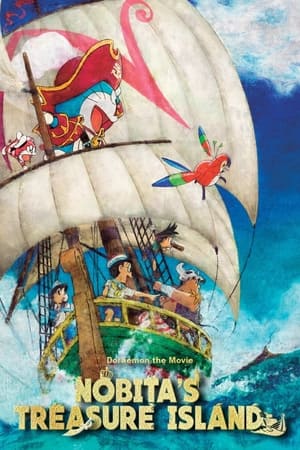
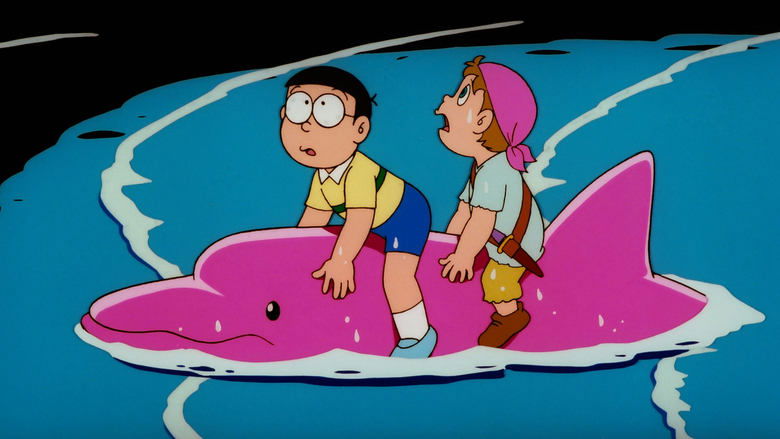
Released in 1998, "Doraemon: Nobita's Great Adventure in the South Seas" holds a poignant place in the franchise's history as the first cinematic feature to debut following the passing of co-creator Fujiko F. Fujio in 1996. The film adapts the 18th volume of the "Doraemon Long Stories" manga series, weaving a high-seas narrative that blends classic pirate lore with the series' signature sci-fi gadgetry. The story kicks off when a school project on oceans sparks Nobita's romantic fascination with pirates and buried treasure, prompting Doraemon to oblige with a seafaring adventure. What begins as a whimsical treasure hunt quickly escalates into a full-blown survival saga when a temporal distortion maroons the gang in the 17th century, forcing them to contend with real buccaneers and unravel the mystery of a lost island.
The film distinguishes itself from the source manga by expanding the emotional stakes and deepening the lore of its original characters. While the 1980 short chapter "South Seas Adventure" provided the initial spark, the 1998 movie introduces a more intricate plot involving a time-traveling pirate captain and his daughter, Betty, who becomes a central figure in the group's quest. The adaptation leans heavily into environmental themes, a hallmark of director Tsutomu Shibayama's approach, contrasting the pristine natural beauty of the uncharted island with the destructive greed of the antagonists. This thematic layer added a contemporary resonance that complemented the traditional Doraemon formula of friendship and courage.
Critically, the film was a resounding success, securing the Best Animation Film award at the 1998 Mainichi Film Awards and earning accolades at the 16th Golden Gloss Awards. Its visual ambition, particularly the lush tropical backdrops and dynamic ship battles, was praised for pushing the aesthetic boundaries of the annual movie series. The film's legacy extended internationally much later, when Disney XD produced and aired an English-dubbed version across Southeast Asia in 2014, introducing this specific swashbuckling chapter to a new generation of viewers outside Japan. As the 19th entry in the long-running series, it successfully balanced the weight of its historical moment with a spirited, self-contained adventure that remains a fan favorite for its brisk pacing and heartfelt conclusion.

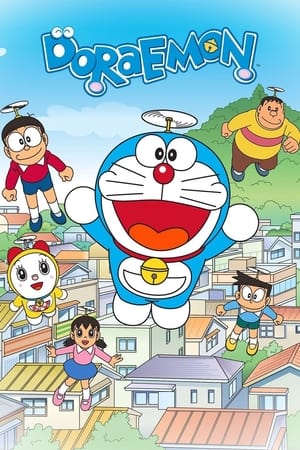
Doraemon is a Japanese manga series written and illustrated by Fujiko F. Fujio. It was first serialized in 1969 in various children's magazines published by Shogakukan. The story follows a robotic cat from the 22nd century named Doraemon, who is sent back in time to help a young boy named Nobita Nobi navigate the challenges of childhood and improve his future. Doraemon possesses a four-dimensional pocket from which he can produce futuristic gadgets, often leading to comedic and heartfelt adventures.
The manga chapters were collected into 45 tankōbon volumes between 1974 and 1996. Doraemon quickly became one of Japan's most beloved and iconic characters, winning numerous awards and achieving immense cultural significance. The series is considered a cornerstone of modern Japanese pop culture and has been a staple of children's entertainment for decades.
Beyond the manga, Doraemon spawned a massive media franchise including three anime television series, over forty animated feature films, video games, and a vast array of merchandise. The character has been recognized as a cultural ambassador for Japan and remains popular across Asia and globally, symbolizing friendship, imagination, and the wonders of technology.

The Doraemon film series is a long-running collection of animated feature films based on the beloved manga and anime franchise created by Fujiko F. Fujio. Beginning in 1980 with 'Doraemon: Nobita's Dinosaur', the series has become an annual tradition in Japanese cinema, with new installments released almost every spring. These films typically follow the titular robotic cat from the 22nd century and his young friend Nobita Nobi as they embark on extraordinary adventures across time, space, and fantastical realms, often utilizing Doraemon's ingenious gadgets from his four-dimensional pocket. While the original manga and television series focus on everyday slice-of-life scenarios, the movies expand the narrative scope, introducing higher stakes, epic journeys, and environmental or moral themes that resonate with family audiences. The series has evolved through different eras of animation and storytelling, with many early films being direct adaptations of manga storylines, while later entries explore original plots and even reimaginings of classic tales. This enduring collection has cemented Doraemon as a cornerstone of Japanese popular culture, with the films consistently drawing large audiences and contributing to the character's status as an official cultural ambassador of Japan.