🎬 Doraemon: Nobita Drifts in the Universe (1999)
Part of Doraemon Movies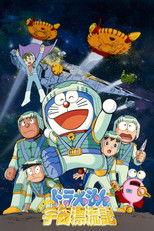
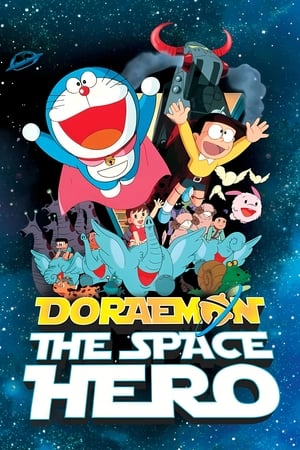
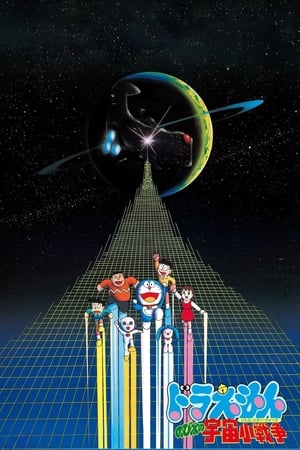
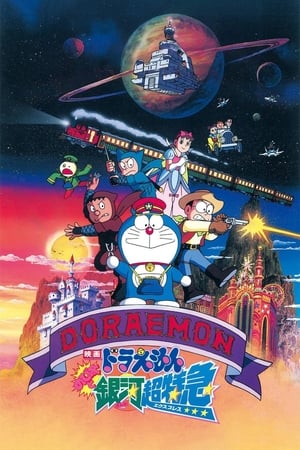
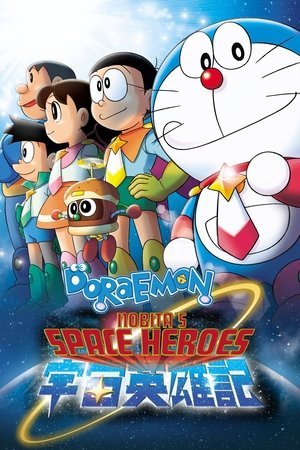
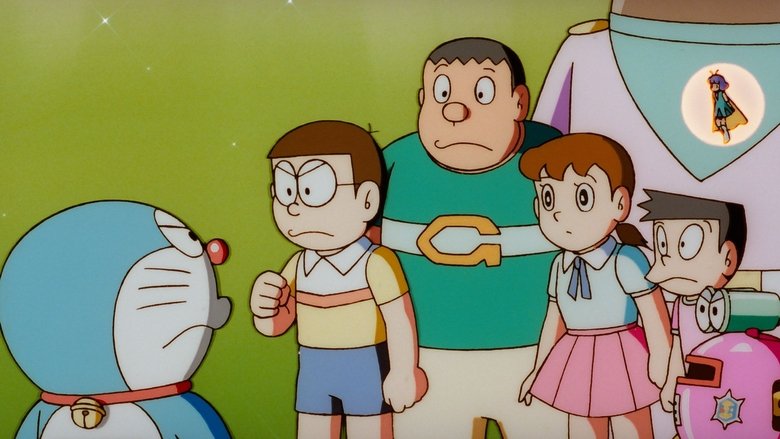
Released in 1999, "Doraemon: Nobita Drifts in the Universe" holds a special place in the franchise's history as the 20th feature film, a milestone commemorated during its end credits with a montage of all the previous adventures. It was also only the second film to be produced following the passing of the original creator, Fujiko F. Fujio, making it an early test of the production team's ability to carry on the legacy. The story launches the gang into a grand space opera when a seemingly innocent game from the future goes awry. After a gravity-modifying gadget wreaks havoc in Nobita's room, the game console is flung out the window, trapping Gian and Suneo inside a virtual spaceship that suddenly becomes all too real, setting the stage for an interstellar rescue mission.
The film distinguishes itself from other entries in the series by fully embracing the epic scale of a space opera. Unlike the more Earth-bound or fantasy-themed adventures, this story sends Doraemon, Nobita, and Shizuka hurtling across the galaxy. They encounter a young boy named Rian and his group of interstellar refugees, who are fleeing the clutches of a powerful, galaxy-spanning corporation. The narrative cleverly uses the vastness of space to explore themes of friendship and courage, as the Earth kids must adapt to life aboard a real spaceship and help their new allies fight back against overwhelming corporate tyranny, a surprisingly mature antagonist for a children's film.
Visually, the film is a treat, blending the familiar, cozy character designs of the Doraemon cast with the cold, majestic beauty of deep space and imaginative alien worlds. The animation team took full advantage of the cosmic setting, delivering thrilling dogfights between spaceships and depicting the eerie silence of the void. A standout element is the film's soundtrack, which leans heavily into the space opera genre with sweeping, orchestral scores that heighten the sense of adventure and danger. This musical direction helps elevate the film from a simple cartoon caper to a genuinely cinematic experience, making the stakes feel much larger than a typical day in Nobita's neighborhood.
While it follows the established formula of the annual Doraemon movies—a summer adventure in a new setting with new friends—"Nobita Drifts in the Universe" is remembered for its ambitious scope. It doesn't just visit space; it builds a whole universe of lore, from the mechanics of faster-than-light travel to the political dynamics of a corporate-controlled galaxy. For many fans, this film represents the franchise at its most cinematically bold, successfully translating the core values of the Doraemon series—compassion, ingenuity, and the power of friendship—onto a canvas that is literally out of this world.

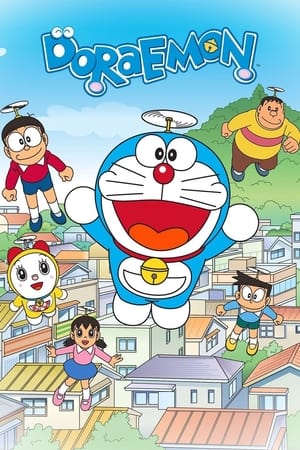
Doraemon is a Japanese manga series written and illustrated by Fujiko F. Fujio. It was first serialized in 1969 in various children's magazines published by Shogakukan. The story follows a robotic cat from the 22nd century named Doraemon, who is sent back in time to help a young boy named Nobita Nobi navigate the challenges of childhood and improve his future. Doraemon possesses a four-dimensional pocket from which he can produce futuristic gadgets, often leading to comedic and heartfelt adventures.
The manga chapters were collected into 45 tankōbon volumes between 1974 and 1996. Doraemon quickly became one of Japan's most beloved and iconic characters, winning numerous awards and achieving immense cultural significance. The series is considered a cornerstone of modern Japanese pop culture and has been a staple of children's entertainment for decades.
Beyond the manga, Doraemon spawned a massive media franchise including three anime television series, over forty animated feature films, video games, and a vast array of merchandise. The character has been recognized as a cultural ambassador for Japan and remains popular across Asia and globally, symbolizing friendship, imagination, and the wonders of technology.

The Doraemon film series is a long-running collection of animated feature films based on the beloved manga and anime franchise created by Fujiko F. Fujio. Beginning in 1980 with 'Doraemon: Nobita's Dinosaur', the series has become an annual tradition in Japanese cinema, with new installments released almost every spring. These films typically follow the titular robotic cat from the 22nd century and his young friend Nobita Nobi as they embark on extraordinary adventures across time, space, and fantastical realms, often utilizing Doraemon's ingenious gadgets from his four-dimensional pocket. While the original manga and television series focus on everyday slice-of-life scenarios, the movies expand the narrative scope, introducing higher stakes, epic journeys, and environmental or moral themes that resonate with family audiences. The series has evolved through different eras of animation and storytelling, with many early films being direct adaptations of manga storylines, while later entries explore original plots and even reimaginings of classic tales. This enduring collection has cemented Doraemon as a cornerstone of Japanese popular culture, with the films consistently drawing large audiences and contributing to the character's status as an official cultural ambassador of Japan.