🎬 Doraemon: Nobita and the Windmasters (2003)
Part of Doraemon Movies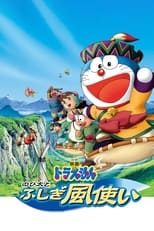
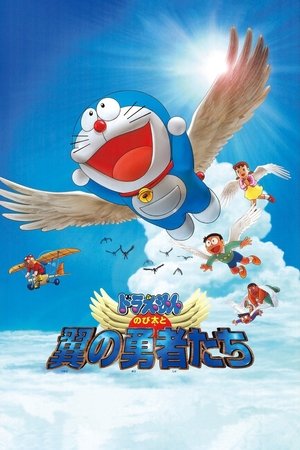
Doraemon: Nobita and the Windmasters, the 24th installment in the long-running Doraemon film series, stands out for its unique approach to adaptation by expanding a single, relatively short manga chapter into a full-length feature. Rather than adapting one of the epic Doraemon Long Stories volumes, the filmmakers took the 1974 chapter "Phoony the Typhoon" as a springboard, weaving a much larger and more mystical narrative around the core concept of a sentient wind creature. This creative decision allowed the film to retain the charming, small-scale wonder of the original short story—where a mischievous typhoon baby causes playful chaos in Nobita's neighborhood—while building an entirely new fantasy world around it, complete with ancient prophecies, a hidden village of wind manipulators, and a battle against a resurrected shamanic spirit.
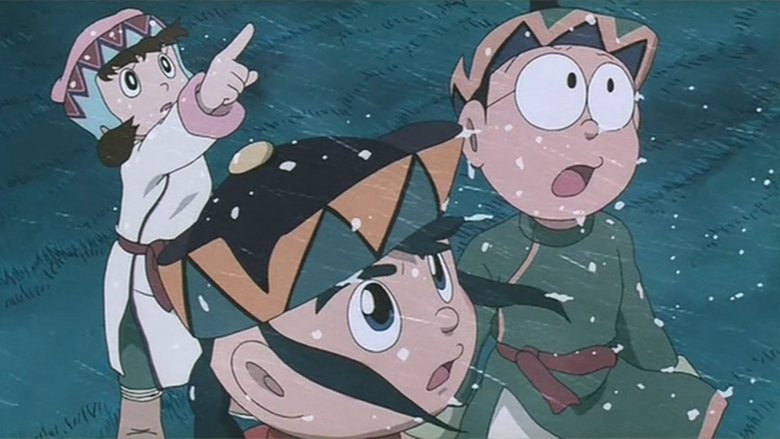
The film introduces the Storm Village, a secluded community with the ability to control the wind, and centers on the mysterious connection between Nobita's group and a young typhoon creature named Fuko. This shift in scale transforms a simple domestic tale into a sweeping environmental fable. The adaptation deepens the emotional stakes by giving the wind creature a distinct personality and a tragic backstory tied to the film's antagonist, the spirit Uranda. While the manga chapter focused primarily on the comedic havoc a small typhoon can wreak, the movie explores themes of friendship, sacrifice, and the delicate balance between humanity and nature, all while maintaining the franchise's signature blend of humor and heartfelt moments.
Visually, the film is a showcase for the animators' ability to bring wind to life as a character in its own right. The fluid, swirling animation of Fuko and the various wind-based powers of the Storm Villagers provide some of the most dynamic sequences in the early 2000s Doraemon films. The movie also cleverly integrates Doraemon's gadgets, such as the "Typhoon Trap" and the "Wind Fan," not just as plot devices but as tools that facilitate the deepening bond between Nobita and Fuko. This adaptation is a prime example of how the Doraemon franchise can take a simple, whimsical idea from its vast source material and successfully expand it into a cinematic adventure that feels both epic and intimately personal.

Doraemon is a Japanese manga series written and illustrated by Fujiko F. Fujio. It was first serialized in 1969 in various children's magazines published by Shogakukan. The story follows a robotic cat from the 22nd century named Doraemon, who is sent back in time to help a young boy named Nobita Nobi navigate the challenges of childhood and improve his future. Doraemon possesses a four-dimensional pocket from which he can produce futuristic gadgets, often leading to comedic and heartfelt adventures.
The manga chapters were collected into 45 tankōbon volumes between 1974 and 1996. Doraemon quickly became one of Japan's most beloved and iconic characters, winning numerous awards and achieving immense cultural significance. The series is considered a cornerstone of modern Japanese pop culture and has been a staple of children's entertainment for decades.
Beyond the manga, Doraemon spawned a massive media franchise including three anime television series, over forty animated feature films, video games, and a vast array of merchandise. The character has been recognized as a cultural ambassador for Japan and remains popular across Asia and globally, symbolizing friendship, imagination, and the wonders of technology.

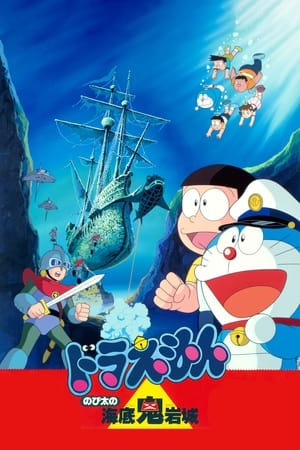
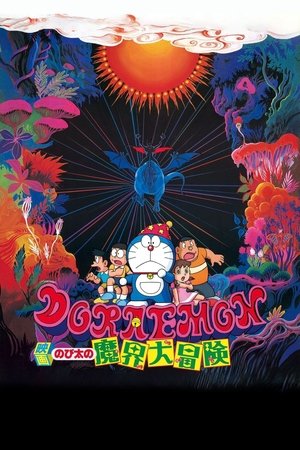
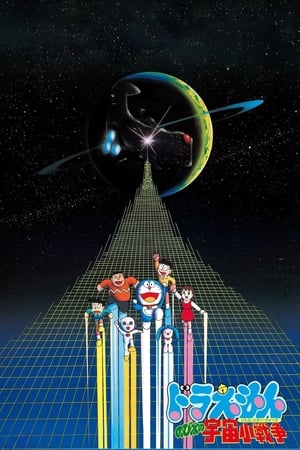
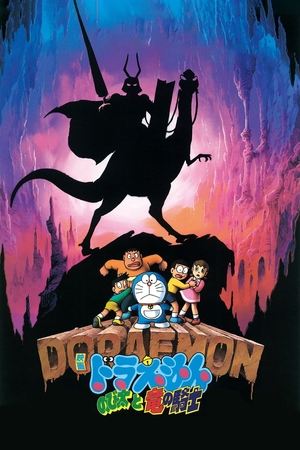
The Doraemon film series is a long-running collection of animated feature films based on the beloved manga and anime franchise created by Fujiko F. Fujio. Beginning in 1980 with 'Doraemon: Nobita's Dinosaur', the series has become an annual tradition in Japanese cinema, with new installments released almost every spring. These films typically follow the titular robotic cat from the 22nd century and his young friend Nobita Nobi as they embark on extraordinary adventures across time, space, and fantastical realms, often utilizing Doraemon's ingenious gadgets from his four-dimensional pocket. While the original manga and television series focus on everyday slice-of-life scenarios, the movies expand the narrative scope, introducing higher stakes, epic journeys, and environmental or moral themes that resonate with family audiences. The series has evolved through different eras of animation and storytelling, with many early films being direct adaptations of manga storylines, while later entries explore original plots and even reimaginings of classic tales. This enduring collection has cemented Doraemon as a cornerstone of Japanese popular culture, with the films consistently drawing large audiences and contributing to the character's status as an official cultural ambassador of Japan.