🎬 Doraemon: Nobita's New Dinosaur (2020)
Part of Doraemon Movies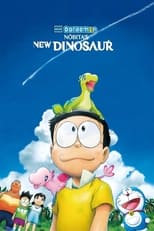
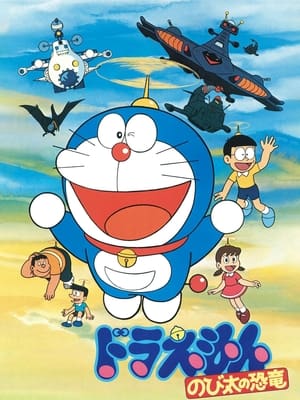
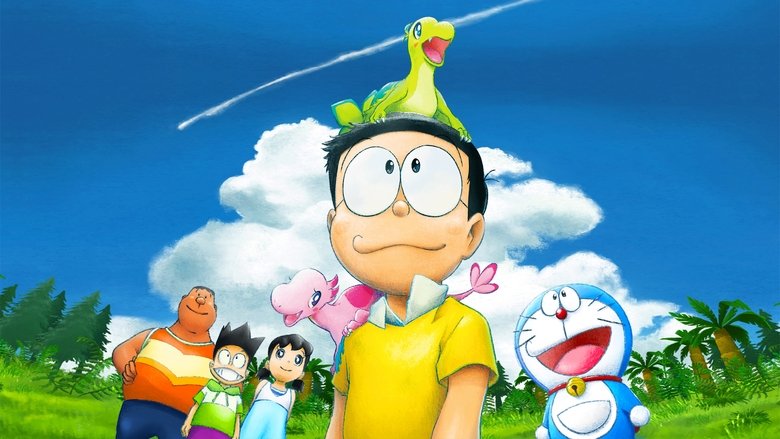
Doraemon: Nobita's New Dinosaur is a landmark film in the franchise, deliberately designed as a thematic and spiritual remake of the very first Doraemon feature film from 1980, Nobita's Dinosaur. While the original film focused on Nobita caring for a single Futabasaurus named Piisuke, this 2020 reimagining expands the premise significantly by introducing twin dinosaurs, Kyu and Myu, who belong to a fictional new species. This change allows the film to explore a dual narrative of growth, as Nobita must learn to nurture two creatures with vastly different personalities and developmental paths, mirroring his own struggles with self-improvement and the fear of failure.
The film was written by Genki Kawamura, known for his work on emotionally resonant animated hits like Your Name, and his influence is felt in the movie's deeper character focus. The story cleverly ties the dinosaurs' fate to the broader history of evolution, forcing Nobita and his friends to confront the inevitability of extinction and the courage required to face an unchangeable future. This is a significant departure from the simpler, more straightforward adventure of the 1980 original, layering in a poignant ecological and existential message that resonated strongly with modern audiences. The animation, handled by Shin-Ei Animation, is notably vibrant, with the feathered designs of Kyu and Myu reflecting contemporary paleontological understanding, a detail that grounds the fantastical story in real-world science.
Originally slated for a March 2020 release as part of the franchise's 50th-anniversary celebrations, the film became an unexpected symbol of perseverance when the COVID-19 pandemic forced its postponement. It finally premiered in August 2020, offering a much-needed dose of hope and nostalgia during a difficult year. The film was a critical and commercial success, praised for its heartfelt storytelling and its ability to honor the legacy of the original while carving out its own distinct identity. It stands as a testament to the enduring appeal of Doraemon, proving that even a story about dinosaurs can be retold with fresh emotional depth for a new generation.

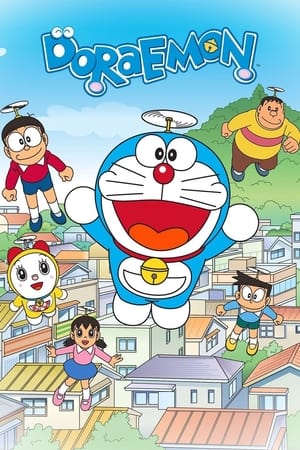
Doraemon is a Japanese manga series written and illustrated by Fujiko F. Fujio. It was first serialized in 1969 in various children's magazines published by Shogakukan. The story follows a robotic cat from the 22nd century named Doraemon, who is sent back in time to help a young boy named Nobita Nobi navigate the challenges of childhood and improve his future. Doraemon possesses a four-dimensional pocket from which he can produce futuristic gadgets, often leading to comedic and heartfelt adventures.
The manga chapters were collected into 45 tankōbon volumes between 1974 and 1996. Doraemon quickly became one of Japan's most beloved and iconic characters, winning numerous awards and achieving immense cultural significance. The series is considered a cornerstone of modern Japanese pop culture and has been a staple of children's entertainment for decades.
Beyond the manga, Doraemon spawned a massive media franchise including three anime television series, over forty animated feature films, video games, and a vast array of merchandise. The character has been recognized as a cultural ambassador for Japan and remains popular across Asia and globally, symbolizing friendship, imagination, and the wonders of technology.

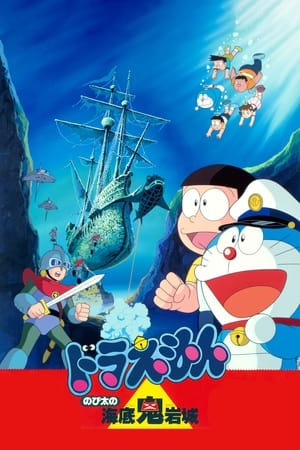
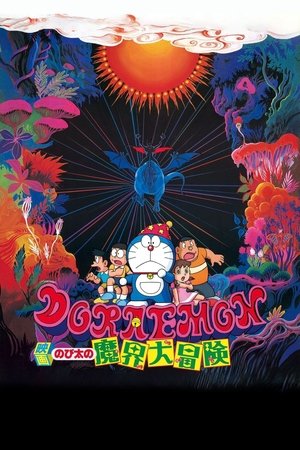
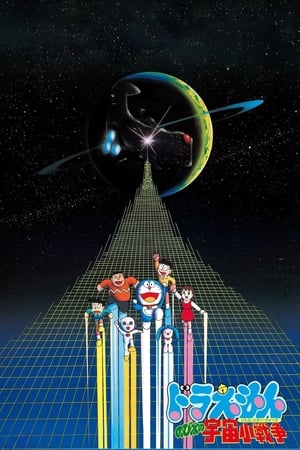
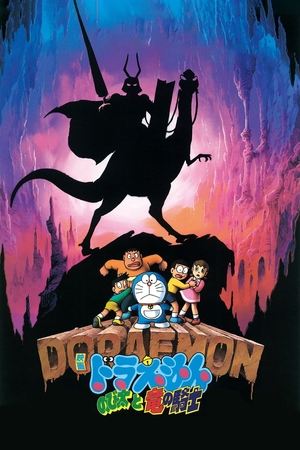
The Doraemon film series is a long-running collection of animated feature films based on the beloved manga and anime franchise created by Fujiko F. Fujio. Beginning in 1980 with 'Doraemon: Nobita's Dinosaur', the series has become an annual tradition in Japanese cinema, with new installments released almost every spring. These films typically follow the titular robotic cat from the 22nd century and his young friend Nobita Nobi as they embark on extraordinary adventures across time, space, and fantastical realms, often utilizing Doraemon's ingenious gadgets from his four-dimensional pocket. While the original manga and television series focus on everyday slice-of-life scenarios, the movies expand the narrative scope, introducing higher stakes, epic journeys, and environmental or moral themes that resonate with family audiences. The series has evolved through different eras of animation and storytelling, with many early films being direct adaptations of manga storylines, while later entries explore original plots and even reimaginings of classic tales. This enduring collection has cemented Doraemon as a cornerstone of Japanese popular culture, with the films consistently drawing large audiences and contributing to the character's status as an official cultural ambassador of Japan.