🎬 Batman and Harley Quinn (2017)
Part of DC Animated Universe
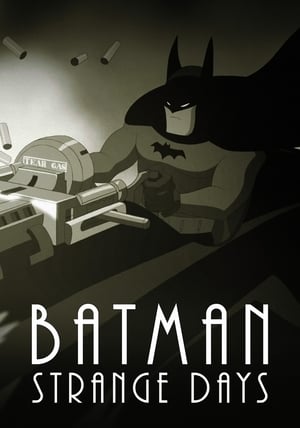
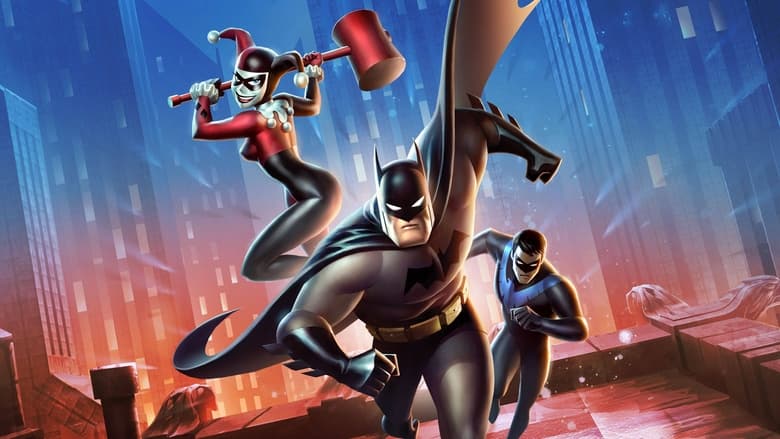
Batman and Harley Quinn is a 2017 animated feature that deliberately channels the spirit of the beloved Batman: The Animated Series, even bringing back original voice actor Kevin Conroy as Batman. The film marks a tonal shift from the darker DC Universe Animated Original Movies, embracing a lighter, more comedic approach reminiscent of the classic 1990s show. It serves as a spiritual sequel to that era, co-written by Bruce Timm, one of the key architects of the DC Animated Universe.
The story pairs the Dark Knight with Nightwing as they reluctantly seek out Harley Quinn's help to track down Poison Ivy and the Floronic Man, who have stolen dangerous scientific secrets from S.T.A.R. Labs. Harley, now out on parole and attempting to go straight, finds herself dragged back into the chaotic world of costumed crime-fighting. The film leans heavily into the odd-couple dynamic between the stoic Batman and the unpredictable Harley, leading to several comedic and awkward situations, including a memorable musical number.
While the film was praised for its nostalgic voice cast and lighthearted tone, it received mixed reactions for its jarring blend of adult humor with the classic animated style. It stands as a unique entry in the DC animated canon, directly adapting the characters and world established in the original Batman comics but filtering them through the specific lens of a fan-favorite television interpretation.
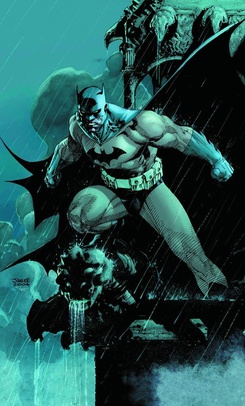
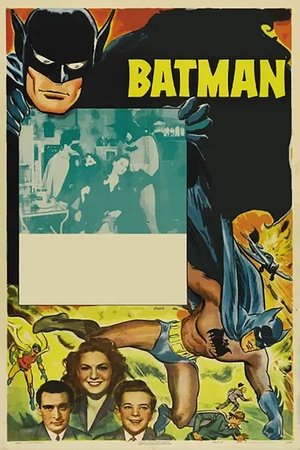
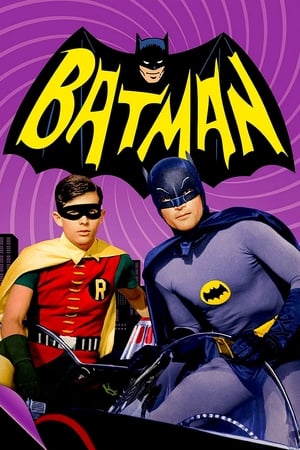
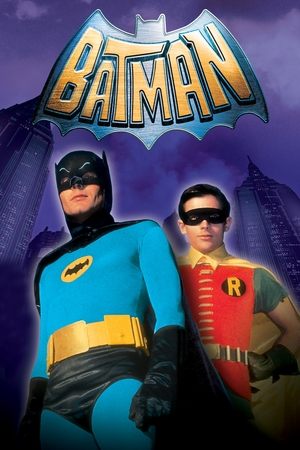
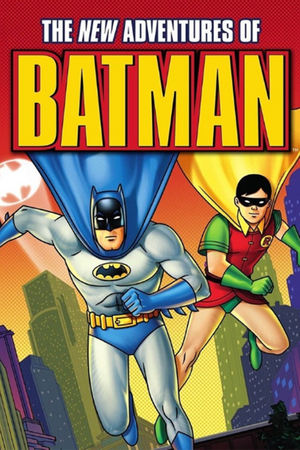
Batman is a fictional superhero created by artist Bob Kane and writer Bill Finger, first appearing in Detective Comics #27 in 1939. The character's secret identity is Bruce Wayne, a wealthy American playboy, philanthropist, and industrialist who resides in Gotham City. After witnessing the murder of his parents as a child, he swore revenge against criminals, an oath tempered by a sense of justice. Bruce Wayne trains himself physically and intellectually and crafts a bat-inspired persona to fight crime.
Unlike many superheroes, Batman possesses no superpowers; he relies on his genius intellect, physical prowess, martial arts abilities, detective skills, science and technology, vast wealth, intimidation, and indomitable will. A large ensemble cast of supporting characters includes his sidekick Robin, butler Alfred Pennyworth, and Police Commissioner James Gordon, as well as a rogues' gallery of villains including the Joker, Penguin, Harley Quinn, and Poison Ivy.
Batman quickly became one of DC Comics' most popular characters and has been adapted into numerous media, including film, television, animation, and video games. The character's dark, brooding nature and complex psychology have made him a cultural icon recognized worldwide, representing the archetype of the vigilante hero who operates outside the law to achieve justice.

Harley Quinn is a fictional character and supervillain appearing in American comic books published by DC Comics. She was created by writer Paul Dini and artist Bruce Timm, making her debut not in a comic book, but in the acclaimed television series Batman: The Animated Series. Her first appearance was in the episode "Joker's Favor," which aired on September 11, 1992. Originally conceived as a one-off henchwoman for the Joker, the character's instant popularity led to her becoming a recurring figure in the DC Animated Universe.
The character's origin story, later fleshed out in comics, reveals her as Dr. Harleen Quinzel, a promising psychiatrist at Arkham Asylum. She becomes fascinated with her patient, the Joker, and is manipulated into falling in love with him, eventually breaking him out and adopting the costumed persona of Harley Quinn. Her name is a playful nod to the Harlequin character from the 16th-century Italian commedia dell'arte. For years, she was defined by her toxic, co-dependent relationship with the Joker, serving as his sidekick and love interest.
Harley Quinn was officially integrated into the mainstream DC Comics universe in 1999 with the one-shot comic Batman: Harley Quinn #1. Over the following decades, she evolved far beyond the Joker's girlfriend. Writers developed her into a more independent anti-hero, exploring her deep friendship and romantic partnership with Poison Ivy, her membership in the Suicide Squad, and her solo adventures as a chaotic force for good (or at least, for herself) in Gotham City's criminal underworld. She has become one of DC's most popular and commercially successful characters, headlining multiple solo comic series and appearing across virtually all media.
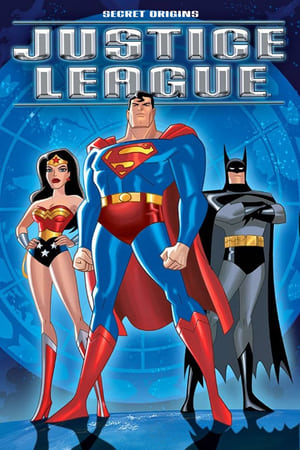
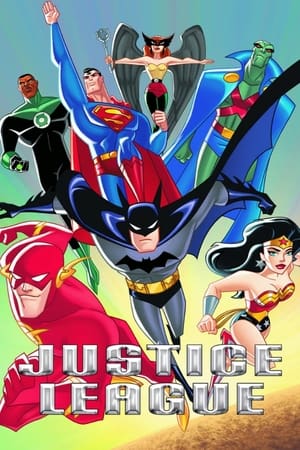
The DC Animated Universe (DCAU) is a groundbreaking shared continuity that redefined superhero animation, beginning with the noir-infused debut of Batman: The Animated Series in 1992 and expanding across multiple series and films over more than two decades. Created primarily by Bruce Timm and Paul Dini, the universe established a cohesive world where characters migrated fluidly between shows, culminating in the assembly of the Justice League as a team and the passing of the torch to a new generation in Batman Beyond.
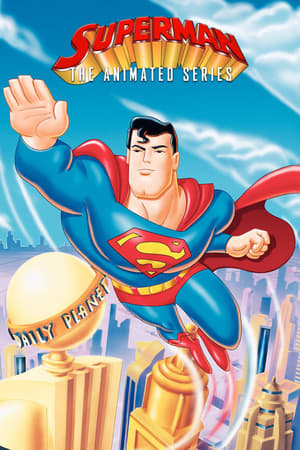
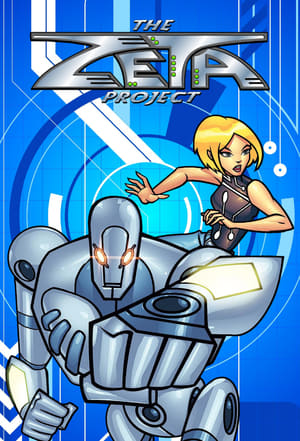
What set the DCAU apart was its refusal to talk down to its audience. Episodes tackled grief, addiction, political corruption, and the moral compromises of heroism with a sophistication rarely seen in Western animation. Superman: The Animated Series brought optimism and warmth, Static Shock introduced a younger and more diverse perspective, and The Zeta Project explored gentler territory within the same world. Justice League and its continuation Justice League Unlimited delivered sprawling multi-episode arcs that felt like annual comic book events come to life, weaving dozens of DC characters into an unprecedented serialized narrative.
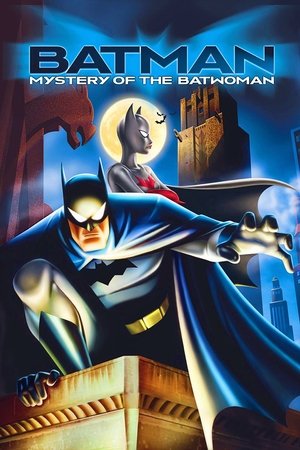
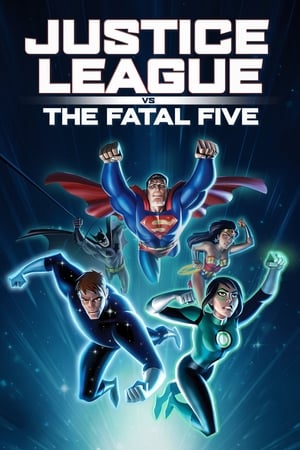
The universe's films extended its storytelling into cinematic territory, from the theatrical elegance of Batman: Mask of the Phantasm—widely regarded as one of the greatest Batman films ever made—to the dark psychological depths of Batman Beyond: Return of the Joker. Later entries such as Justice League vs. the Fatal Five (2019) demonstrated the DCAU's enduring legacy, bridging classic characters with new heroes more than a decade after the core series concluded.
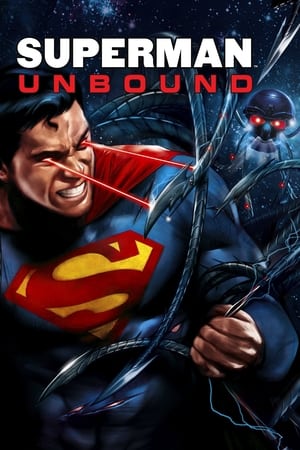
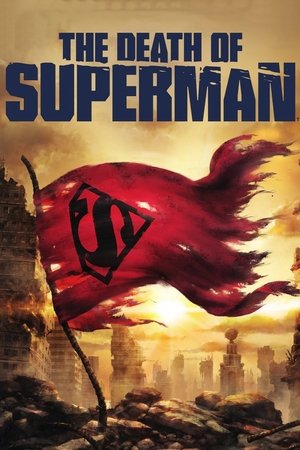
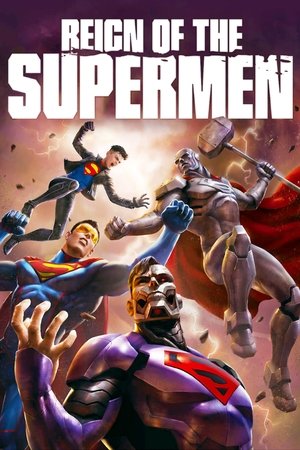
The Death of Superman is a pivotal comic book storyline and subsequent media collection centered on the demise and return of DC Comics' iconic hero. Originating in 1992 as a crossover event spanning multiple Superman titles, the narrative chronicles Superman's fatal battle with the unstoppable creature Doomsday, the global mourning that follows, and the emergence of four new characters—the Last Son of Krypton, Superboy, Steel, and the Cyborg Superman—each claiming to carry on his legacy. The story explores themes of heroism, sacrifice, and the irreplaceable nature of a true symbol, examining how a world copes when its greatest protector falls.
Beyond the original comics, the storyline has been adapted into various animated films, most notably within the DC Animated Movie Universe. These adaptations condense and reimagine the sprawling narrative, focusing on the emotional core of Superman's sacrifice and the subsequent power vacuum. The animated entries delve into the challenges faced by the new Supermen as they attempt to fill the void, while also highlighting the vulnerability of Earth in the absence of its champion. The collection showcases the enduring resonance of the Death of Superman mythos across different storytelling mediums.
Culturally, The Death of Superman became a landmark event in comic book history, generating unprecedented mainstream media attention and sales. It sparked debates about the commercial motivations behind major character deaths and influenced a wave of similar high-stakes storylines throughout the industry. The collection's legacy lies in its demonstration of how a single, shocking narrative beat can redefine a character's mythology and captivate a global audience, cementing the story as a touchstone for discussions about mortality and legacy within superhero fiction.
The DC Animated Universe is a shared continuity of animated television series and films based on characters from DC Comics. It was launched in the early 1990s under the creative guidance of producer and artist Bruce Timm, whose distinctive visual style and storytelling approach set a new standard for superhero animation. The series within this universe are noted for their mature themes, complex character development, and serialized storytelling, often blending noir aesthetics with modern action.
From its inception, the universe redefined the animated adaptation of comic book heroes, introducing a generation to darker, more psychologically rich narratives. The interconnected stories allowed characters to grow and relationships to evolve across multiple shows, creating an expansive and cohesive fictional world. Recurring voice actors and a consistent artistic vision further unified the projects, lending a sense of continuity rarely seen in television animation at the time.
The universe became known for addressing social issues, moral ambiguity, and the human cost of heroism, elevating the material beyond simple children's entertainment. It earned critical acclaim and a dedicated fanbase that followed the continuity from its first series to its later, more epic ensemble stories. Its influence extended beyond television, impacting subsequent DC animated films, video games, and even live-action portrayals of the characters.
The legacy of this shared universe is enduring; it is often hailed as one of the finest achievements in superhero animation. Its approach to serialized, character-driven storytelling laid the groundwork for many animated projects that followed, and its versions of iconic heroes remain definitive for many fans.