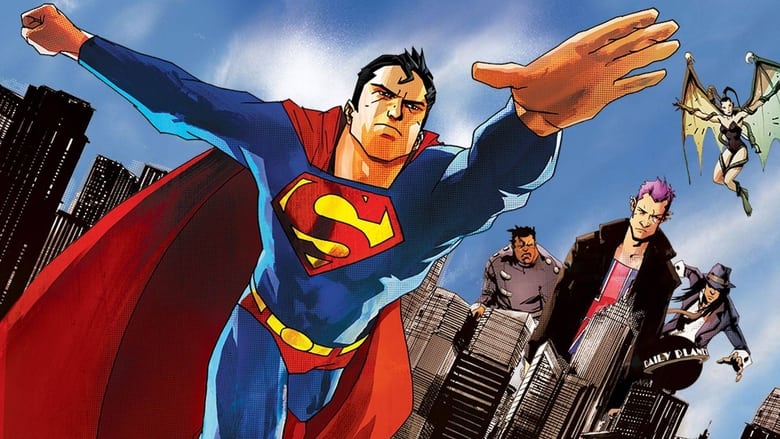
🎬 Superman vs. The Elite (2012)
Part of DC Universe Animated Original Movies
Superman vs. The Elite is a 2012 animated adaptation of Joe Kelly's acclaimed 2001 comic book story "What's So Funny About Truth, Justice & the American Way?" from Action Comics #775. Kelly himself wrote the screenplay, ensuring a faithful translation of his original work to the screen, while Michael Chang directed. The film is the 14th entry in the DC Universe Animated Original Movies line.
The story pits Superman against The Elite, a team of antiheroes led by Manchester Black who have captured the public's imagination by brutally killing villains rather than apprehending them. As the world increasingly questions Superman's no-kill code as outdated, the Man of Steel is forced to prove that his moral restraint is not a weakness but a profound strength. The film retains the comic's central philosophical debate about power, justice, and the line between heroism and tyranny.
George Newbern and David Kaufman reprised their roles as Superman and Jimmy Olsen from the DC Animated Universe, lending vocal continuity for longtime fans. The adaptation expands certain action sequences for the animated format while preserving the comic's iconic climax, in which Superman delivers a chilling demonstration of what he could become if he abandoned his principles. The film was well-received for its mature themes and faithful handling of the source material, standing as one of the more thought-provoking entries in DC's animated catalog.

"What's So Funny About Truth, Justice & the American Way?" is a single-issue comic book story published by DC Comics in March 2001, appearing in Action Comics #775. Written by Joe Kelly with art by Doug Mahnke and Lee Bermejo, the story was created as a direct response to the rising popularity of more violent, morally ambiguous superhero teams in late-1990s and early-2000s comics, particularly The Authority.
The narrative centers on a philosophical and physical confrontation between Superman and a new team of super-powered vigilantes called The Elite, led by the telekinetic Manchester Black. While Superman adheres to his traditional code against killing, The Elite execute criminals and cause massive collateral damage, earning them public approval. The story climaxes with Superman demonstrating to The Elite—and the world—exactly why his restraint is not weakness, but a terrifyingly deliberate choice.
The issue was widely acclaimed by critics and fans alike for its thoughtful examination of superhero ethics in a changing cultural landscape. It has been reprinted multiple times in collected editions and is considered one of the definitive modern Superman stories, frequently cited in discussions about the character's moral core and relevance in the 21st century.
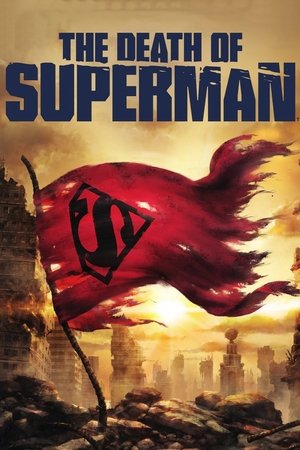
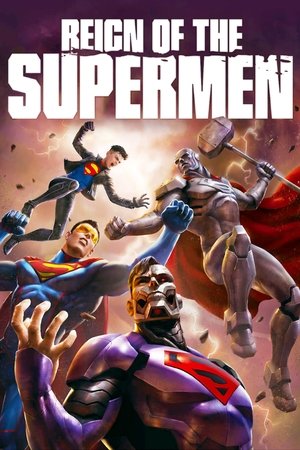
The Death of Superman is a pivotal comic book storyline and subsequent media collection centered on the demise and return of DC Comics' iconic hero. Originating in 1992 as a crossover event spanning multiple Superman titles, the narrative chronicles Superman's fatal battle with the unstoppable creature Doomsday, the global mourning that follows, and the emergence of four new characters—the Last Son of Krypton, Superboy, Steel, and the Cyborg Superman—each claiming to carry on his legacy. The story explores themes of heroism, sacrifice, and the irreplaceable nature of a true symbol, examining how a world copes when its greatest protector falls.
Beyond the original comics, the storyline has been adapted into various animated films, most notably within the DC Animated Movie Universe. These adaptations condense and reimagine the sprawling narrative, focusing on the emotional core of Superman's sacrifice and the subsequent power vacuum. The animated entries delve into the challenges faced by the new Supermen as they attempt to fill the void, while also highlighting the vulnerability of Earth in the absence of its champion. The collection showcases the enduring resonance of the Death of Superman mythos across different storytelling mediums.
Culturally, The Death of Superman became a landmark event in comic book history, generating unprecedented mainstream media attention and sales. It sparked debates about the commercial motivations behind major character deaths and influenced a wave of similar high-stakes storylines throughout the industry. The collection's legacy lies in its demonstration of how a single, shocking narrative beat can redefine a character's mythology and captivate a global audience, cementing the story as a touchstone for discussions about mortality and legacy within superhero fiction.