🎬 Wonder Woman: Bloodlines (2019)
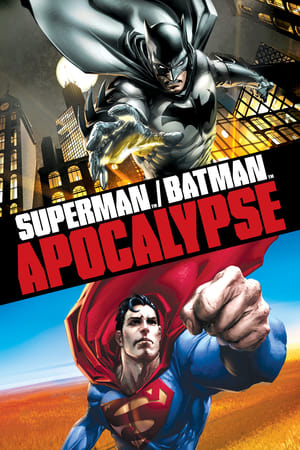
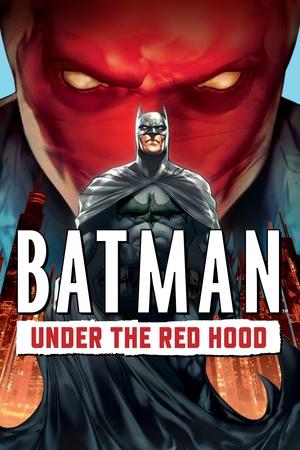
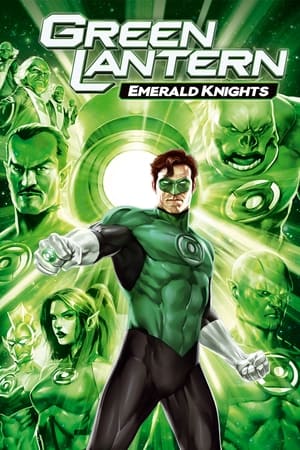
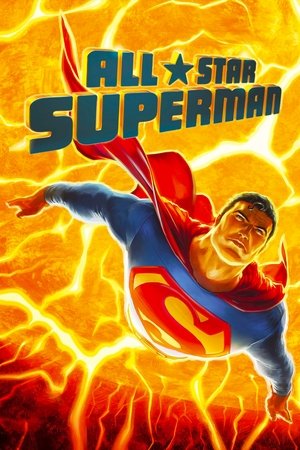
Part of DC Universe Animated Original Movies
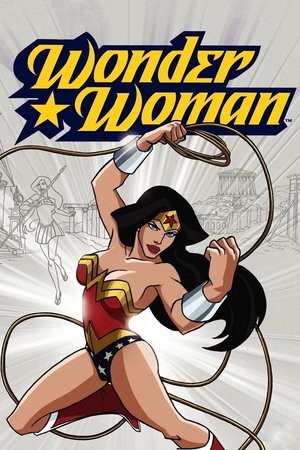
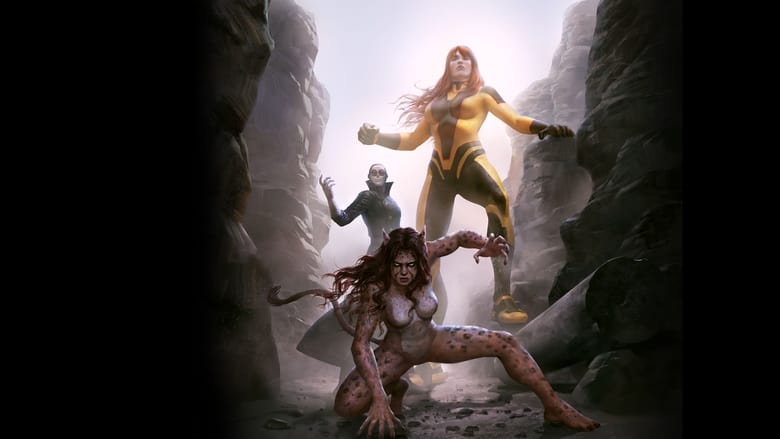
Wonder Woman: Bloodlines is a 2019 animated film from the DC Universe Animated Original Movies line, drawing on over seventy-five years of Wonder Woman comic book mythology. The story reimagines Diana's origin, beginning with her rescue of pilot Steve Trevor and her fateful decision to leave Themyscira against her mother's wishes. The film introduces Julia and Vanessa Kapatelis, characters who first appeared in George Pérez's celebrated 1987 reboot of the Wonder Woman comic, and builds toward the formation of Villainy Inc., a team of female adversaries that dates back to the 1940s comics.
The film weaves together elements from multiple eras of Wonder Woman lore. The purple healing ray, the invisible jet, and the contest on Themyscira are all nods to the character's Golden Age roots, while the strained mother-daughter relationship between Diana and Hippolyta echoes modern interpretations. Villainy Inc. itself was the first all-female supervillain team in comics, introduced in 1948's Wonder Woman #28, and its inclusion here connects the film to that historic legacy.
While the Wikipedia infobox references the 'Down to Earth' comic arc by Greg Rucka, that storyline primarily serves as a thematic touchstone rather than a direct adaptation. Rucka's run focused on Wonder Woman publishing a book of essays and facing a media smear campaign orchestrated by Veronica Cale. Bloodlines borrows the idea of Diana navigating the complexities of Man's World and facing organized opposition, but the plot diverges significantly, centering on Vanessa Kapatelis's transformation into the villain Silver Swan and the assembly of Villainy Inc. under Doctor Cyber's leadership.
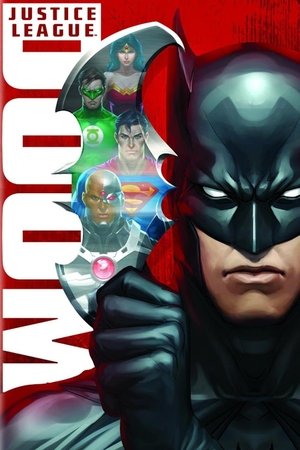
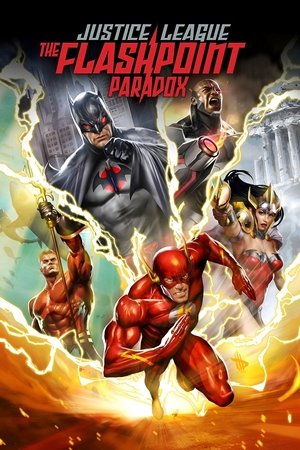
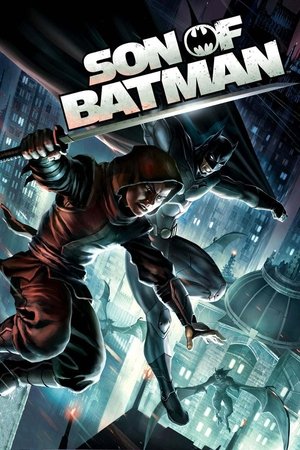
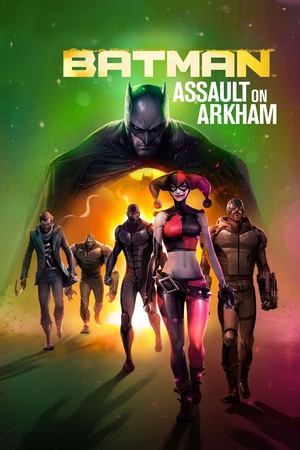
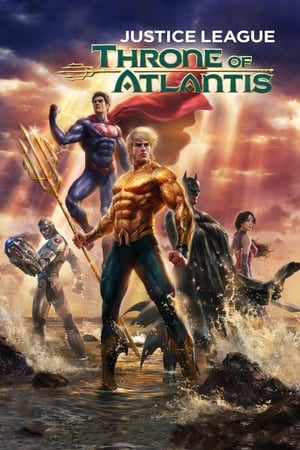
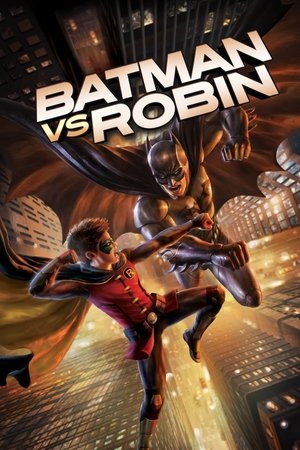
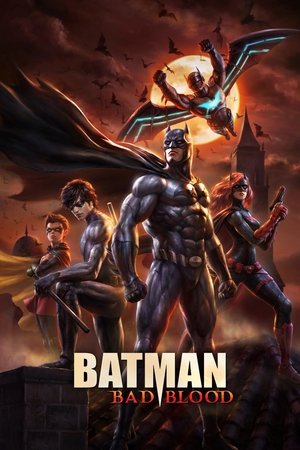
As the fourteenth entry in the DC Animated Movie Universe, Bloodlines continues the interconnected storytelling approach that characterized that line of films, though it functions largely as a standalone Wonder Woman story. The film explores themes of family, loyalty, and the cost of heroism, with Diana's relationship to the Kapatelis family providing an emotional core that distinguishes it from other animated adaptations of the character.

Wonder Woman is a superheroine created by psychologist William Moulton Marston and artist Harry G. Peter, first appearing in All Star Comics #8 in December 1941, published by DC Comics. She is an Amazon princess from the island of Themyscira, gifted with superhuman abilities by the Greek gods, who leaves her home to bring peace and justice to 'Man's World.' Her iconic costume, bullet-deflecting bracelets, and Lasso of Truth have made her one of the most recognizable superheroes in popular culture.
Marston intended Wonder Woman as a feminist icon, embodying strength, compassion, and equality. Her early adventures blended mythological themes with wartime propaganda, fighting Nazis and other villains. Over the decades, her origin and powers have been revised multiple times, including a significant reboot in 1987 by George Pérez that deepened her mythological roots and connection to the Greek pantheon.
Wonder Woman has been a founding member of the Justice League and has headlined multiple ongoing comic series. She is part of DC's 'Trinity' alongside Superman and Batman, representing the publisher's most enduring and influential characters. Her rogues gallery includes Cheetah, Ares, Circe, and the sorceress Doctor Cyber.
Beyond comics, Wonder Woman has become a global symbol of female empowerment, appearing in television series, animated shows, video games, and major motion pictures. Her cultural impact extends to academic study, merchandise, and activism, making her one of the most significant fictional characters of the 20th and 21st centuries.
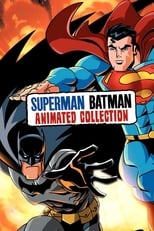
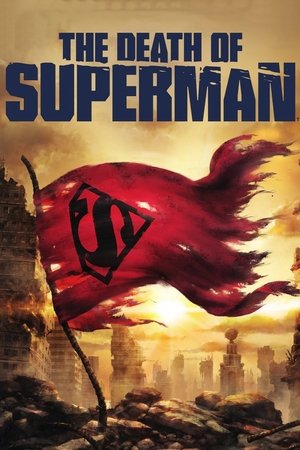
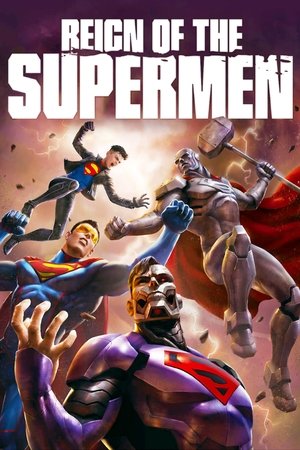
The Death of Superman is a pivotal comic book storyline and subsequent media collection centered on the demise and return of DC Comics' iconic hero. Originating in 1992 as a crossover event spanning multiple Superman titles, the narrative chronicles Superman's fatal battle with the unstoppable creature Doomsday, the global mourning that follows, and the emergence of four new characters—the Last Son of Krypton, Superboy, Steel, and the Cyborg Superman—each claiming to carry on his legacy. The story explores themes of heroism, sacrifice, and the irreplaceable nature of a true symbol, examining how a world copes when its greatest protector falls.
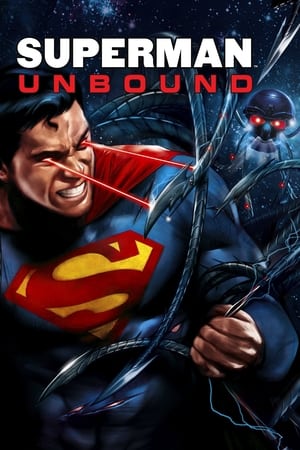
Beyond the original comics, the storyline has been adapted into various animated films, most notably within the DC Animated Movie Universe. These adaptations condense and reimagine the sprawling narrative, focusing on the emotional core of Superman's sacrifice and the subsequent power vacuum. The animated entries delve into the challenges faced by the new Supermen as they attempt to fill the void, while also highlighting the vulnerability of Earth in the absence of its champion. The collection showcases the enduring resonance of the Death of Superman mythos across different storytelling mediums.
Culturally, The Death of Superman became a landmark event in comic book history, generating unprecedented mainstream media attention and sales. It sparked debates about the commercial motivations behind major character deaths and influenced a wave of similar high-stakes storylines throughout the industry. The collection's legacy lies in its demonstration of how a single, shocking narrative beat can redefine a character's mythology and captivate a global audience, cementing the story as a touchstone for discussions about mortality and legacy within superhero fiction.