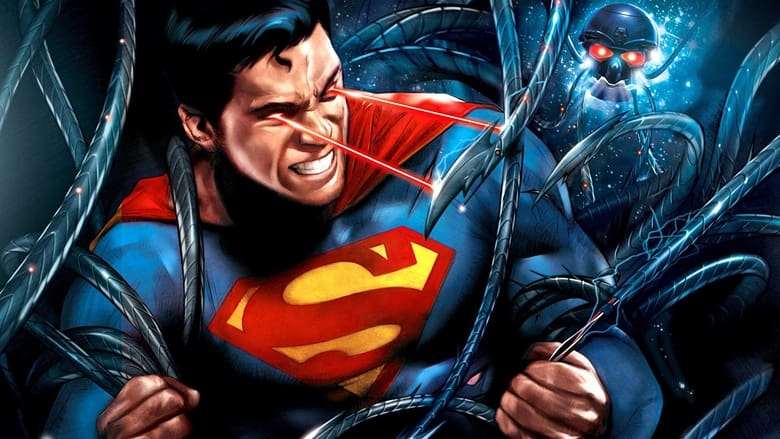
🎬 Superman: Unbound (2013)
Part of DC Universe Animated Original Movies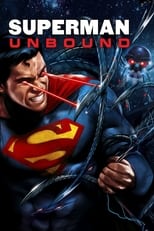
"Superman: Unbound" is a 2013 DC Universe Animated Original Movie that adapts Geoff Johns and Gary Frank's acclaimed 2008 comic book storyline "Superman: Brainiac." Directed by James Tucker and written by Bob Goodman, the film streamlines the five-issue arc into a tight 75-minute feature while preserving its core emotional beats: Superman's first real confrontation with the city-stealing android Brainiac, Supergirl's traumatic history with the villain, and the strain on Clark Kent's relationship with Lois Lane.
The animation takes visual cues from Gary Frank's artwork, with Superman's design notably evoking a classic, square-jawed heroism. The voice cast features Matt Bomer as Superman, Stana Katic as Lois Lane, and John Noble as the chillingly detached Brainiac. While the comic arc famously included the death of Jonathan Kent, the film shifts focus more toward Lois and Clark's personal dynamic and Supergirl's struggle with her past trauma, making the story feel more self-contained.
As the 17th entry in the DC Universe Animated Original Movies line, "Superman: Unbound" arrived during a period when Warner Bros. Animation was regularly adapting major DC storylines. It stands out for its willingness to embrace the cosmic horror elements of Brainiac—a being who has destroyed countless worlds and carries Kandor as a trophy—while grounding the stakes in Superman's protective love for Earth and his growing commitment to Lois. The film received generally positive reviews for its faithful adaptation and strong vocal performances, though some fans noted the condensed runtime meant certain subplots from the comic were trimmed.
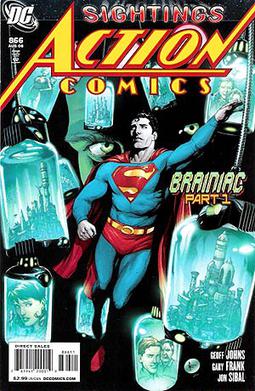
"Superman: Brainiac" is a five-issue comic book story arc published by DC Comics in 2008, running through Action Comics #866–870. Written by Geoff Johns and illustrated by Gary Frank, the storyline reintroduces the classic Silver Age version of the supervillain Brainiac, a coldly logical alien android who travels the universe stealing and miniaturizing cities, including the Kryptonian capital of Kandor. The arc is notable for its darker tone and significant consequences for Superman's personal life, most prominently the death of his adoptive father, Jonathan Kent, from a heart attack during the chaos of Brainiac's attack.
The story explores Superman's first true encounter with the real Brainiac, revealing that all his previous battles were merely against robotic probes. Supergirl plays a key role, as she carries the trauma of witnessing Brainiac abduct Kandor before Krypton's destruction. The arc serves as a major turning point in modern Superman mythology, leading directly into the "Superman: New Krypton" crossover event, which expanded the bottled city of Kandor into a full-sized planet of Kryptonians.
Critically acclaimed for its emotional weight and Gary Frank's cinematic, Christopher Reeve-inspired artwork, "Superman: Brainiac" is considered one of the defining Superman stories of the 2000s. It balances large-scale science fiction action with intimate character drama, examining Clark Kent's dual identity and his relationship with Lois Lane against the backdrop of an existential threat to Earth.
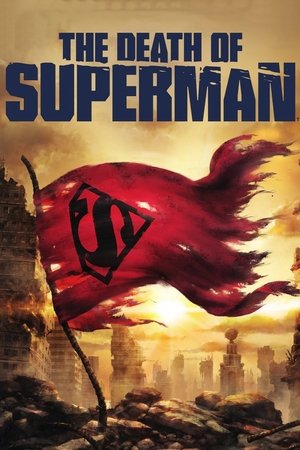
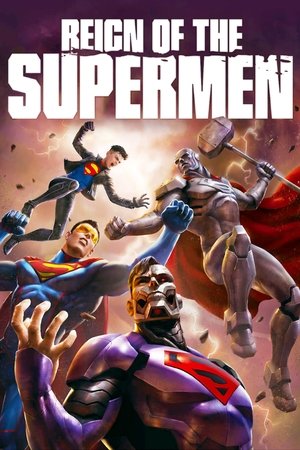
The Death of Superman is a pivotal comic book storyline and subsequent media collection centered on the demise and return of DC Comics' iconic hero. Originating in 1992 as a crossover event spanning multiple Superman titles, the narrative chronicles Superman's fatal battle with the unstoppable creature Doomsday, the global mourning that follows, and the emergence of four new characters—the Last Son of Krypton, Superboy, Steel, and the Cyborg Superman—each claiming to carry on his legacy. The story explores themes of heroism, sacrifice, and the irreplaceable nature of a true symbol, examining how a world copes when its greatest protector falls.
Beyond the original comics, the storyline has been adapted into various animated films, most notably within the DC Animated Movie Universe. These adaptations condense and reimagine the sprawling narrative, focusing on the emotional core of Superman's sacrifice and the subsequent power vacuum. The animated entries delve into the challenges faced by the new Supermen as they attempt to fill the void, while also highlighting the vulnerability of Earth in the absence of its champion. The collection showcases the enduring resonance of the Death of Superman mythos across different storytelling mediums.
Culturally, The Death of Superman became a landmark event in comic book history, generating unprecedented mainstream media attention and sales. It sparked debates about the commercial motivations behind major character deaths and influenced a wave of similar high-stakes storylines throughout the industry. The collection's legacy lies in its demonstration of how a single, shocking narrative beat can redefine a character's mythology and captivate a global audience, cementing the story as a touchstone for discussions about mortality and legacy within superhero fiction.