🎬 Batman vs. Robin (2015)
Part of Son of Batman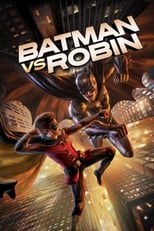
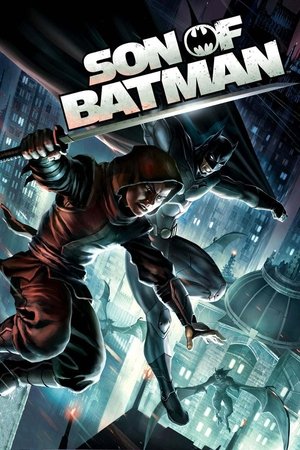
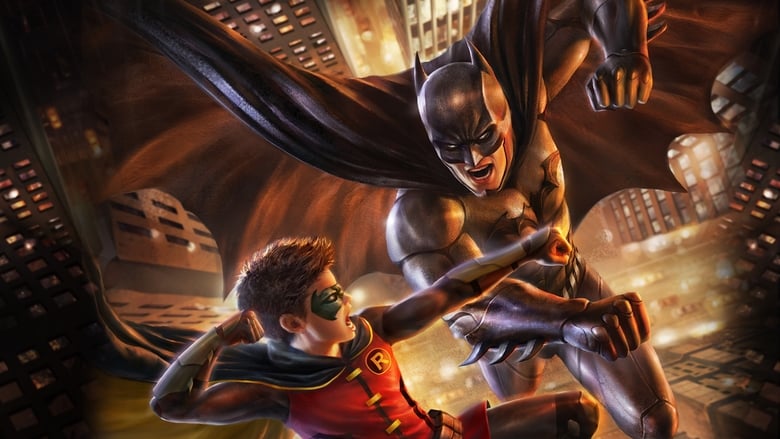
Batman vs. Robin is a 2015 animated superhero film that serves as a direct sequel to 2014's Son of Batman, continuing the narrative of the DC Animated Movie Universe. The story pits a conflicted Bruce Wayne against his own son, Damian, whose violent upbringing under the League of Assassins clashes violently with Batman's strict moral code. Their familial tension is masterfully exploited by the secret society known as the Court of Owls, who seek to recruit Damian as their new Talon assassin, forcing a physical and ideological showdown between father and son.
The film weaves together elements from Scott Snyder's acclaimed 'Court of Owls' comic storyline with the father-son conflict from Peter Tomasi's 'Batman & Robin: Born to Kill.' Voice actors Stuart Allan, Jason O'Mara, and Sean Maher reprise their roles from the previous film, maintaining continuity in the shared universe. Notably, the film features David McCallum as Alfred Pennyworth in what would become his final film role before his passing in 2023.
Released directly to home video in April 2015 after a premiere at WonderCon, Batman vs. Robin was praised for its darker psychological tone and complex character dynamics compared to typical animated fare. Critics highlighted the compelling exploration of nature versus nurture as Damian struggles between his father's disciplined heroism and the Court's seductive promise of power without restraint.
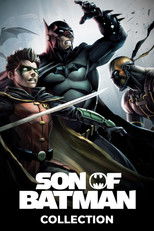
This animated saga serves as a dedicated storyline within the broader DC Animated Movie Universe, focusing on the complex dynamics of legacy and parenthood in the life of Gotham's most famous vigilante. By introducing a long-lost child raised in a world of lethal discipline and ruthless ambition, the series explores the stark contrast between two vastly different approaches to justice and leadership.
At its core, the narrative delves into the challenges of mentorship and the struggle to forge a genuine family bond amidst a backdrop of global threats and personal vendettas. The saga consistently examines how inherited traits and upbringing shape identity, while questioning whether a legacy defined by violence can be redirected toward protection and compassion.
Culturally, the series stands out for its mature storytelling and character-driven plots, which have resonated with fans of both comic book lore and animated cinema. It successfully bridges the gap between standalone superhero adventures and serialized continuity, offering a compelling look at how personal relationships can influence larger heroic endeavors.
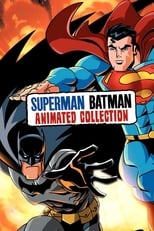
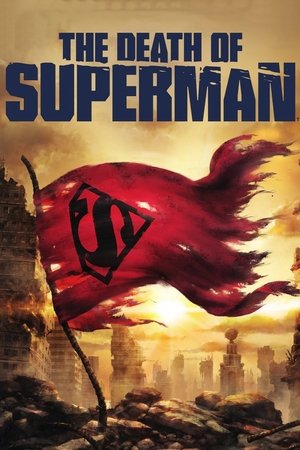
The Death of Superman is a pivotal comic book storyline and subsequent media collection centered on the demise and return of DC Comics' iconic hero. Originating in 1992 as a crossover event spanning multiple Superman titles, the narrative chronicles Superman's fatal battle with the unstoppable creature Doomsday, the global mourning that follows, and the emergence of four new characters—the Last Son of Krypton, Superboy, Steel, and the Cyborg Superman—each claiming to carry on his legacy. The story explores themes of heroism, sacrifice, and the irreplaceable nature of a true symbol, examining how a world copes when its greatest protector falls.
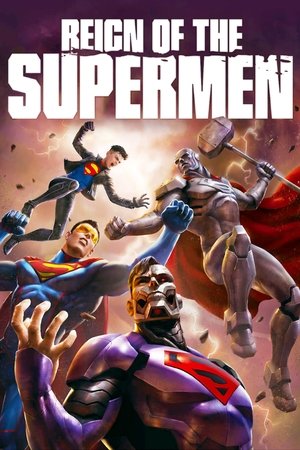
Beyond the original comics, the storyline has been adapted into various animated films, most notably within the DC Animated Movie Universe. These adaptations condense and reimagine the sprawling narrative, focusing on the emotional core of Superman's sacrifice and the subsequent power vacuum. The animated entries delve into the challenges faced by the new Supermen as they attempt to fill the void, while also highlighting the vulnerability of Earth in the absence of its champion. The collection showcases the enduring resonance of the Death of Superman mythos across different storytelling mediums.
Culturally, The Death of Superman became a landmark event in comic book history, generating unprecedented mainstream media attention and sales. It sparked debates about the commercial motivations behind major character deaths and influenced a wave of similar high-stakes storylines throughout the industry. The collection's legacy lies in its demonstration of how a single, shocking narrative beat can redefine a character's mythology and captivate a global audience, cementing the story as a touchstone for discussions about mortality and legacy within superhero fiction.