🎬 Superman: Red Son (2020)
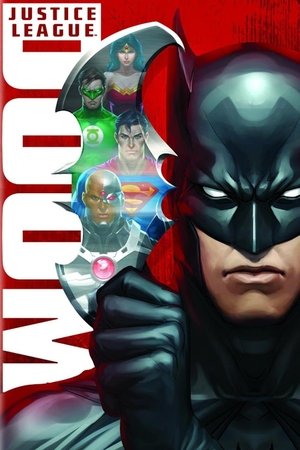
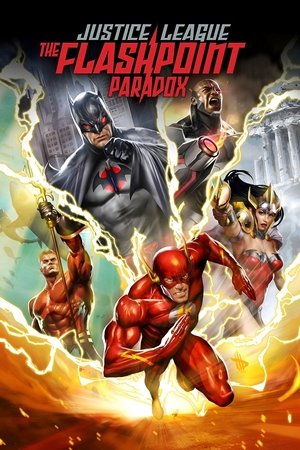
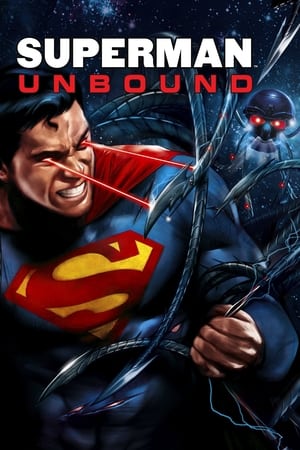
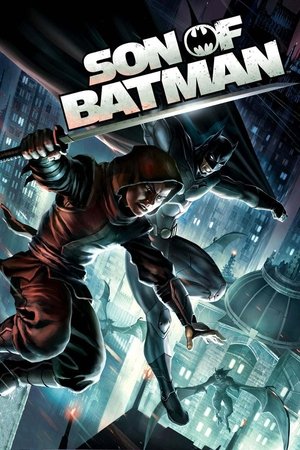
Part of DC Universe Animated Original Movies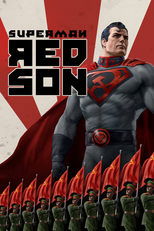
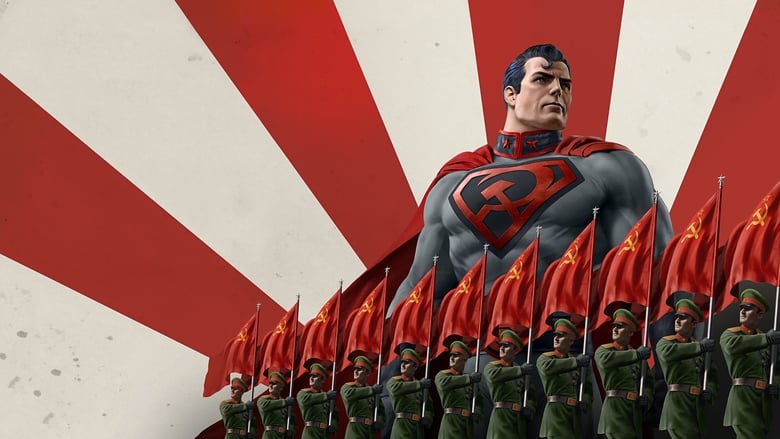
DC's animated adaptation of Superman: Red Son arrived in 2020 as the 40th entry in the DC Universe Animated Original Movies line, bringing Mark Millar's celebrated Elseworlds tale to the screen with a distinct visual identity and narrative compression. The film streamlines the sprawling, decades-spanning comic into a tighter political thriller, opening in 1946 Soviet Ukraine where a young Kal-El demonstrates his powers to a girl named Svetlana rather than the comic's more gradual reveal. This framing device immediately establishes the emotional core of a Superman raised not by Kansas farmers but by the ideology of the Soviet state, with Joseph Stalin himself taking a direct hand in shaping the hero's worldview.
The adaptation makes several notable departures from its source material, condensing the comic's three-issue structure and its intricate Cold War chess game into a more focused narrative. While the comic weaves a complex tapestry of alternate DC heroes across decades, the film prioritizes the central ideological conflict between Superman's Soviet upbringing and the American response, represented most vividly by Lex Luthor. The voice cast, led by Jason Isaacs as a calculating Soviet Superman, brings gravitas to the material, though the film necessarily sacrifices some of the comic's denser political commentary and its more audacious alternate character interpretations in favor of pacing and accessibility.
Critical reception to the animated feature was generally positive, with praise directed at its willingness to engage with the source material's provocative premise and its sleek, Cold War-era aesthetic. Fans of the original comic noted the streamlined approach, with some lamenting the loss of the comic's broader scope and its more nuanced exploration of how familiar heroes and villains would be reshaped by a world where the Soviet Union won the ideological battle. The film marked a bittersweet milestone as the final performance of veteran voice actor Jim Ward, who retired in 2021 and passed away in 2025, adding a layer of poignancy to this tale of a Superman who believed he was saving the world, only to discover the chains his utopia had forged.

Superman: Red Son is a three-issue prestige format comic book miniseries published by DC Comics under its Elseworlds imprint in 2003. Written by Mark Millar with art by Dave Johnson, Andrew Robinson, Walden Wong, and Killian Plunkett, the story explores a provocative alternate history premise: what if the infant Kal-El's rocket had landed not in Kansas, but on a collective farm in Soviet Ukraine?
The narrative spans from the 1950s through the early 2000s, reimagining Superman as a champion of the Soviet Union who fights for Stalin, socialism, and the expansion of the Warsaw Pact rather than truth, justice, and the American way. The story cleverly weaves alternate versions of familiar DC heroes and villains into Cold War geopolitics, featuring a Russian Batman, an American Green Lantern, and Wonder Woman as a diplomat caught between superpowers. Real historical figures including Joseph Stalin and John F. Kennedy appear alongside these reimagined icons.
The miniseries received widespread critical acclaim for its intelligent political commentary and inventive world-building. It was nominated for the 2004 Eisner Award for Best Limited Series and has since become one of the most celebrated Elseworlds stories in DC's catalog. The comic's enduring popularity has led to multiple reprints and collected editions, cementing its status as a landmark work of superhero alternate history.
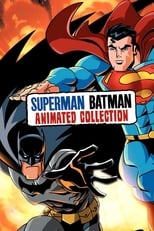
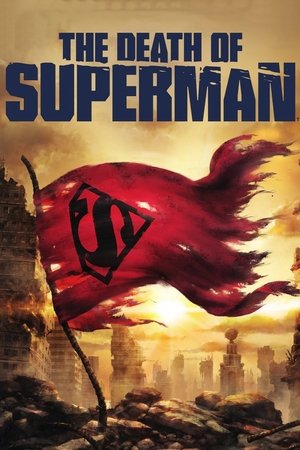
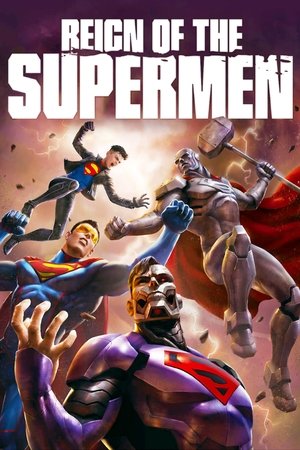
The Death of Superman is a pivotal comic book storyline and subsequent media collection centered on the demise and return of DC Comics' iconic hero. Originating in 1992 as a crossover event spanning multiple Superman titles, the narrative chronicles Superman's fatal battle with the unstoppable creature Doomsday, the global mourning that follows, and the emergence of four new characters—the Last Son of Krypton, Superboy, Steel, and the Cyborg Superman—each claiming to carry on his legacy. The story explores themes of heroism, sacrifice, and the irreplaceable nature of a true symbol, examining how a world copes when its greatest protector falls.
Beyond the original comics, the storyline has been adapted into various animated films, most notably within the DC Animated Movie Universe. These adaptations condense and reimagine the sprawling narrative, focusing on the emotional core of Superman's sacrifice and the subsequent power vacuum. The animated entries delve into the challenges faced by the new Supermen as they attempt to fill the void, while also highlighting the vulnerability of Earth in the absence of its champion. The collection showcases the enduring resonance of the Death of Superman mythos across different storytelling mediums.
Culturally, The Death of Superman became a landmark event in comic book history, generating unprecedented mainstream media attention and sales. It sparked debates about the commercial motivations behind major character deaths and influenced a wave of similar high-stakes storylines throughout the industry. The collection's legacy lies in its demonstration of how a single, shocking narrative beat can redefine a character's mythology and captivate a global audience, cementing the story as a touchstone for discussions about mortality and legacy within superhero fiction.