🎬 Wonder Woman (2009)
Part of DC Universe Animated Original Movies
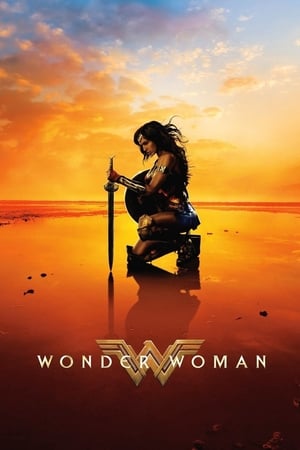
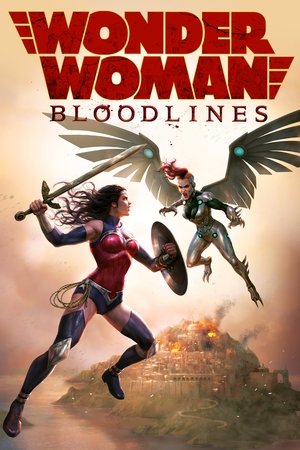
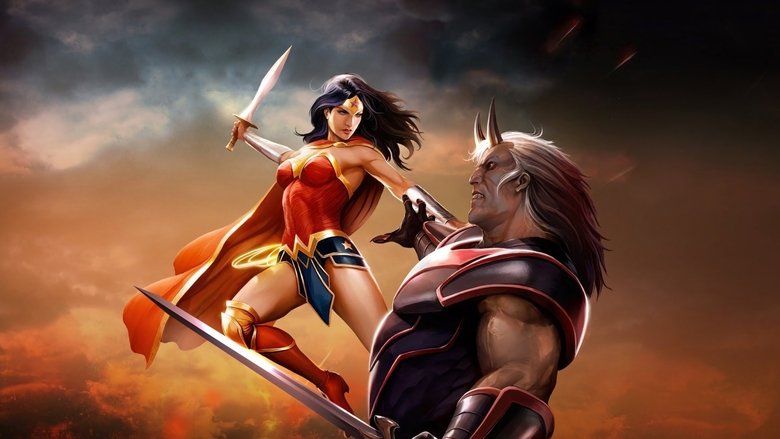
Wonder Woman (2009) is an animated superhero film that draws its narrative primarily from George Pérez's acclaimed 1987 comic book arc Gods and Mortals, which rebooted the character for DC Comics' post-Crisis era. Directed by Lauren Montgomery and written by Gail Simone and Michael Jelenic, the film adapts the core elements of Pérez's origin story: the creation of the Amazons by the goddesses, the betrayal by Ares and Heracles, the exile to Themyscira, and Diana's eventual journey to man's world as an ambassador of peace. The film condenses the sprawling mythology of the comic into a tight 74-minute runtime while preserving the epic scope of the source material.
The adaptation makes several notable changes to streamline the story. In the comic, Diana is sculpted from clay and brought to life by the gods, whereas the film presents her birth as the result of a violent encounter between Hippolyta and Ares, adding a more personal dimension to their conflict. The film also introduces Steve Trevor as a fighter pilot who crash-lands on Themyscira, serving as Diana's guide to the modern world and her primary love interest — a dynamic that echoes the character's Golden Age origins while fitting neatly into the Gods and Mortals framework. The voice cast features Keri Russell as Wonder Woman, Nathan Fillion as Steve Trevor, and Alfred Molina as Ares.
Released as the fourth entry in the DC Universe Animated Original Movies line, Wonder Woman was produced by Bruce Timm and marked the first solo animated feature for the character. The film was praised for its mature tone, strong voice performances, and faithful adaptation of Pérez's mythological vision, though some critics noted the compressed pacing. It remains a standout entry in DC's animated canon and a beloved interpretation of the iconic heroine.

Wonder Woman: Gods and Mortals is a seven-issue comic book story arc that launched the second volume of DC Comics' Wonder Woman series in 1987. Plotted and drawn by George Pérez, with scripts by Greg Potter and Len Wein, the arc served as a complete reboot of the character following the events of Crisis on Infinite Earths. It re-established Wonder Woman's origin story, her connection to Greek mythology, and her role as an ambassador of peace to the world of men.
The story begins in ancient times, when the Olympian goddesses create the Amazons from the souls of women who died at the hands of men. Led by Queen Hippolyta and her sister Antiope, the Amazons thrive until the god Ares manipulates Heracles into attacking them. After being freed from bondage, the Amazons split into two factions: one follows Antiope to seek vengeance, while the other follows Hippolyta to the island of Themyscira, where they become the eternal guardians of a great evil imprisoned beneath the island.
Thousands of years later, the arc introduces Diana, the princess of Themyscira, who is sculpted from clay by Hippolyta and brought to life by the gods. When the god Ares threatens to plunge the world into nuclear war, Diana competes in a contest to determine which Amazon will travel to man's world as its champion. Winning the contest, she takes on the mantle of Wonder Woman and journeys to the United States, where she must confront Ares and his growing influence over humanity.
Gods and Mortals is widely regarded as one of the definitive Wonder Woman stories, praised for its rich mythological depth, complex characterization, and George Pérez's detailed artwork. It established the modern foundation for the character that would influence comics, animation, and other media for decades to come.
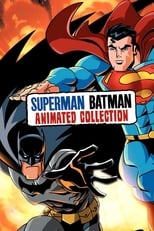
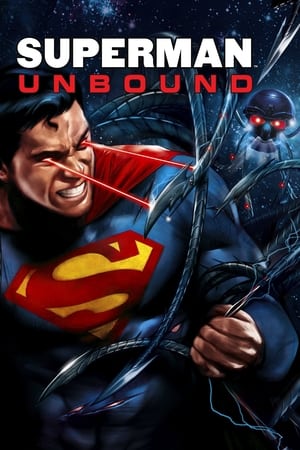
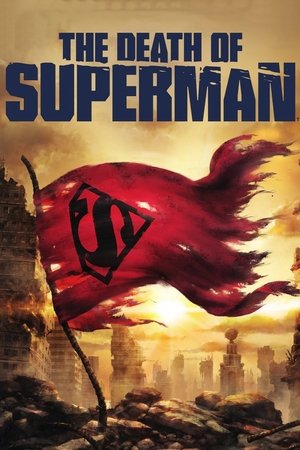
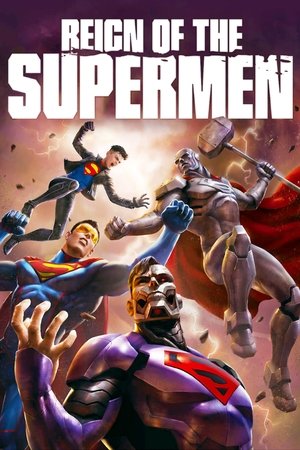
The Death of Superman is a pivotal comic book storyline and subsequent media collection centered on the demise and return of DC Comics' iconic hero. Originating in 1992 as a crossover event spanning multiple Superman titles, the narrative chronicles Superman's fatal battle with the unstoppable creature Doomsday, the global mourning that follows, and the emergence of four new characters—the Last Son of Krypton, Superboy, Steel, and the Cyborg Superman—each claiming to carry on his legacy. The story explores themes of heroism, sacrifice, and the irreplaceable nature of a true symbol, examining how a world copes when its greatest protector falls.
Beyond the original comics, the storyline has been adapted into various animated films, most notably within the DC Animated Movie Universe. These adaptations condense and reimagine the sprawling narrative, focusing on the emotional core of Superman's sacrifice and the subsequent power vacuum. The animated entries delve into the challenges faced by the new Supermen as they attempt to fill the void, while also highlighting the vulnerability of Earth in the absence of its champion. The collection showcases the enduring resonance of the Death of Superman mythos across different storytelling mediums.
Culturally, The Death of Superman became a landmark event in comic book history, generating unprecedented mainstream media attention and sales. It sparked debates about the commercial motivations behind major character deaths and influenced a wave of similar high-stakes storylines throughout the industry. The collection's legacy lies in its demonstration of how a single, shocking narrative beat can redefine a character's mythology and captivate a global audience, cementing the story as a touchstone for discussions about mortality and legacy within superhero fiction.