🎬 Son of Batman (2014)
Part of Son of Batman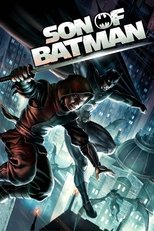
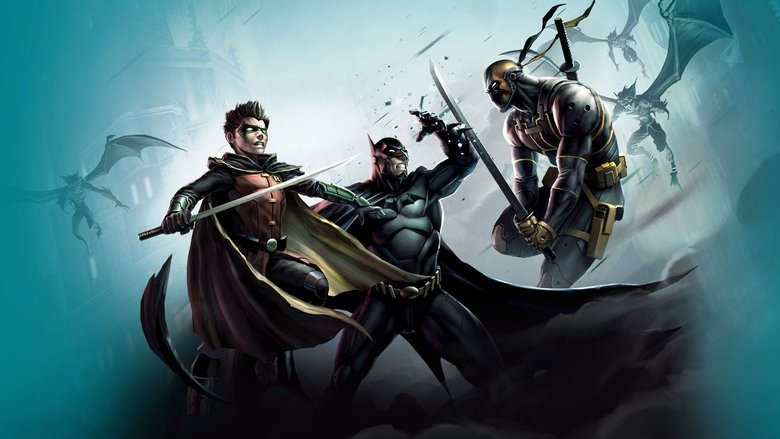
Released in 2014 as the twentieth entry in the DC Universe Animated Original Movies, "Son of Batman" marks a significant, albeit streamlined, translation of Grant Morrison's game-changing comic arc. The film wastes no time establishing its central conflict, opening with a visceral assault on the League of Assassins by Deathstroke, here acting as a scorned former heir to Ra's al Ghul. This inciting incident forces Talia to deliver the ten-year-old Damian Wayne to his unsuspecting father, Bruce Wayne, setting the stage for a violent clash of ideologies. The adaptation compresses Morrison's sprawling, psychologically complex narrative into a leaner, action-driven father-son story, focusing squarely on Batman's struggle to temper Damian's lethal League of Assassins training with his own unwavering moral code.
The film makes several key departures from the source material to suit its standalone animated format. The comic's broader tapestry, which included the grotesque return of Man-Bat and a more labyrinthine scheme by Talia, is largely jettisoned in favor of a direct revenge plot centered on Deathstroke. This change transforms Slade Wilson into the primary antagonist, a role filled in the comics by a different character, and gives the narrative a more conventional superhero structure. The voice cast, led by Jason O'Mara as Batman and Stuart Allan as the petulant yet deadly Damian, leans heavily into the intergenerational friction, with Damian's arrogance and bloodlust providing a constant, volatile challenge to the Dark Knight's authority. The decision to have Damian assume the Robin mantle by the film's end serves as a symbolic, if uneasy, step toward his potential redemption.
Critically, "Son of Batman" received a mixed but generally positive reception, with much of the praise directed at its handling of Damian Wayne. The character, still a relatively new addition to the Bat-family at the time, is rendered here with a sharp-edged charisma that captures his comic book counterpart's insufferable brilliance and deep-seated need for paternal approval. However, the film's graphic violence and darker tone, including the on-screen death of Ra's al Ghul, sparked some debate about its appropriateness for younger viewers. While it may lack the metatextual depth and surreal flourishes of Morrison's writing, the adaptation succeeds as a propulsive introduction to one of modern comics' most dynamic duos, effectively laying the groundwork for the character's continued prominence in the DC Animated Movie Universe.

"Batman and Son" is a 2006 comic book story arc published by DC Comics, written by Grant Morrison and illustrated by Andy Kubert. It ran across four issues of the main Batman title, from issue #655 to #658, and marked the beginning of Morrison's influential seven-year run on the character. The arc is notable for introducing Damian Wayne, the biological son of Bruce Wayne and Talia al Ghul, into mainstream DC Universe continuity.
The story draws heavily on the 1987 graphic novel "Batman: Son of the Demon," which first explored the idea of Batman fathering a child with Talia. Morrison expanded this concept, bringing Damian from the fringes of canon into a central role. In the narrative, Talia presents the ten-year-old Damian to Batman, leaving him in his father's care as part of a larger scheme. Damian is arrogant, violent, and has been raised by the League of Assassins to be a killer, creating immediate conflict with Batman's strict moral code.
"Batman and Son" also features the return of Man-Bat and the League of Assassins, blending psychological family drama with high-stakes superhero action. The story explores themes of legacy, nature versus nurture, and whether a child raised in violence can be redeemed. It was a critical and commercial success, praised for its bold redefinition of the Batman mythos and its complex characterization of the new Robin.
This storyline laid the foundation for years of subsequent Batman stories, including "Batman R.I.P." and the formation of Batman Incorporated. Damian Wayne would go on to become one of the most popular and enduring additions to the Bat-Family in modern comics, headlining his own series and becoming a core member of the Teen Titans.
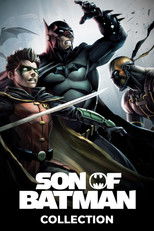
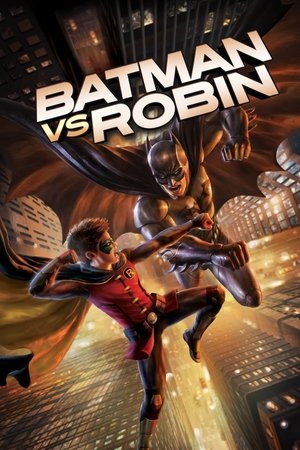
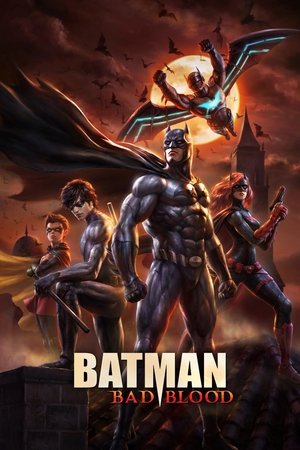
This animated saga serves as a dedicated storyline within the broader DC Animated Movie Universe, focusing on the complex dynamics of legacy and parenthood in the life of Gotham's most famous vigilante. By introducing a long-lost child raised in a world of lethal discipline and ruthless ambition, the series explores the stark contrast between two vastly different approaches to justice and leadership.
At its core, the narrative delves into the challenges of mentorship and the struggle to forge a genuine family bond amidst a backdrop of global threats and personal vendettas. The saga consistently examines how inherited traits and upbringing shape identity, while questioning whether a legacy defined by violence can be redirected toward protection and compassion.
Culturally, the series stands out for its mature storytelling and character-driven plots, which have resonated with fans of both comic book lore and animated cinema. It successfully bridges the gap between standalone superhero adventures and serialized continuity, offering a compelling look at how personal relationships can influence larger heroic endeavors.
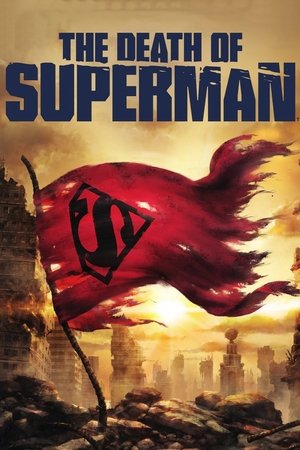
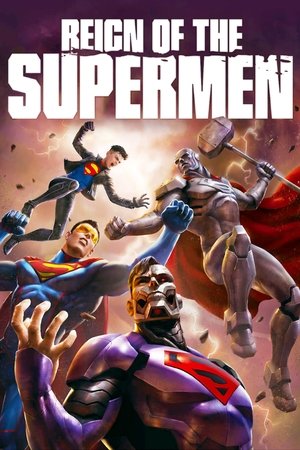
The Death of Superman is a pivotal comic book storyline and subsequent media collection centered on the demise and return of DC Comics' iconic hero. Originating in 1992 as a crossover event spanning multiple Superman titles, the narrative chronicles Superman's fatal battle with the unstoppable creature Doomsday, the global mourning that follows, and the emergence of four new characters—the Last Son of Krypton, Superboy, Steel, and the Cyborg Superman—each claiming to carry on his legacy. The story explores themes of heroism, sacrifice, and the irreplaceable nature of a true symbol, examining how a world copes when its greatest protector falls.
Beyond the original comics, the storyline has been adapted into various animated films, most notably within the DC Animated Movie Universe. These adaptations condense and reimagine the sprawling narrative, focusing on the emotional core of Superman's sacrifice and the subsequent power vacuum. The animated entries delve into the challenges faced by the new Supermen as they attempt to fill the void, while also highlighting the vulnerability of Earth in the absence of its champion. The collection showcases the enduring resonance of the Death of Superman mythos across different storytelling mediums.
Culturally, The Death of Superman became a landmark event in comic book history, generating unprecedented mainstream media attention and sales. It sparked debates about the commercial motivations behind major character deaths and influenced a wave of similar high-stakes storylines throughout the industry. The collection's legacy lies in its demonstration of how a single, shocking narrative beat can redefine a character's mythology and captivate a global audience, cementing the story as a touchstone for discussions about mortality and legacy within superhero fiction.