🎬 Batman: Assault on Arkham (2014)
Part of DC Universe Animated Original Movies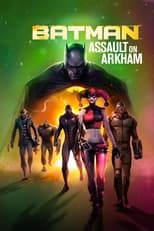
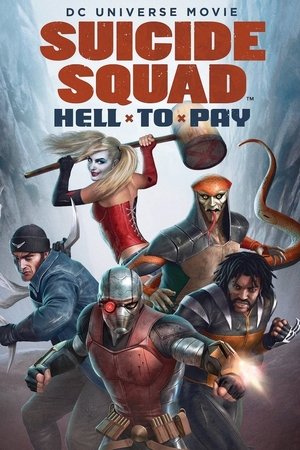
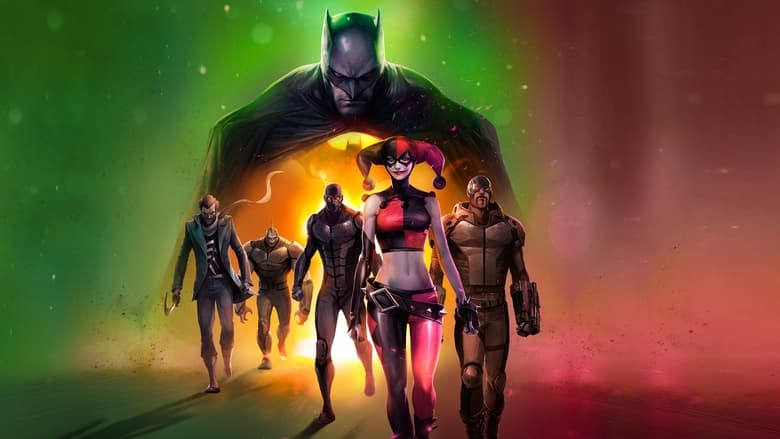
Batman: Assault on Arkham is a 2014 direct-to-video animated film that occupies a unique space in DC's animated canon. While it is the 21st entry in the DC Universe Animated Original Movies line, it is loosely set within the universe of the wildly popular Batman: Arkham video game franchise, specifically taking place before the events of the game Batman: Arkham Asylum. Directed by Jay Oliva and Ethan Spaulding, the film cleverly uses the title character as a supporting player, instead shifting the spotlight onto the Suicide Squad, a team of coerced supervillains working for the ruthless government operative Amanda Waller.
The plot follows Waller as she assembles a team consisting of Deadshot, Harley Quinn, Captain Boomerang, Killer Frost, King Shark, and Black Spider to break into Arkham Asylum. Their mission is to retrieve a thumb drive containing sensitive data that has fallen into the hands of the Riddler. The film is notable for its adult-oriented tone, featuring more violence and sexual content than typical DC animated features, which helps it mirror the darker aesthetic of the video games. The voice cast features several actors from the Arkham games, though not all reprised their roles; notably, Kevin Conroy returns as Batman, while Troy Baker takes on the role of the Joker, and Hynden Walch voices Harley Quinn.
As a spin-off, the film expands the Arkhamverse by exploring the seedy underbelly of Gotham from the villains' perspective. It weaves in classic Arkham elements like the Penguin's Iceberg Lounge and the constant threat of the Joker, who has hidden a dirty bomb somewhere in the city. The animation style closely mimics the character designs from the games, making it a visual treat for fans. By focusing on the dysfunctional dynamics of the Suicide Squad—particularly the chaotic relationship between Deadshot and Harley Quinn—the film predated the live-action Suicide Squad movie by two years, offering a gritty, heist-style adventure that stands on its own while enriching the lore of the Arkham universe.

Developed by Rocksteady Studios, the 2009 video game *Batman: Arkham Asylum* stands as a watershed moment in the history of superhero adaptations, proving definitively that a licensed property could not only match but transcend its cinematic counterparts. Set entirely within the grimy, gothic confines of Arkham Island, the narrative traps the Dark Knight in a high-security madhouse alongside his most iconic foes after the Joker springs a meticulously planned trap. The source material’s genius lies in its synthesis of the character’s 70-year legacy; it distills the definitive voices of Kevin Conroy and Mark Hamill from the celebrated animated series and fuses them with a grim, architectural aesthetic that feels like a lost graphic novel. More than a simple beat-‘em-up, the game is a masterclass in psychological horror and pacing, turning the asylum itself into a central character whose history seeps through the decaying walls and patient-scrawled journals.
Thematically, *Arkham Asylum* deconstructs the thin line between sanity and madness, weaponizing the environment to mirror Batman’s own obsessive psychology. The core conflict is not merely physical but a cerebral assault, with the Joker orchestrating a night of chaos designed to prove that one bad day separates the hero from the patients he locks away. A standout sequence involving the Scarecrow shatters the fourth wall, manipulating the game’s very hardware to make the player question their own perception of reality, a narrative trick that was revolutionary for the medium at the time. This focus on predatory stealth and detective work redefined the power fantasy, introducing the "Predator" gameplay loop where Batman is not a brawler crashing through a window, but a wraith picking off terrified henchmen one by one, turning their chatter from bravado to palpable fear as the night wears on.
The cultural impact of *Arkham Asylum* is immeasurable, effectively birthing the modern blueprint for the action-adventure genre and establishing a new gold standard for intellectual property in gaming. Its revolutionary "Freeflow" combat system, a rhythmic dance of attacks and counters, became a ubiquitous mechanic replicated in titles from *Middle-earth: Shadow of Mordor* to *Marvel’s Spider-Man*. Beyond its mechanical influence, the game legitimized video game narratives, earning a Guinness World Record for "Most Critically Acclaimed Superhero Game Ever" and proving that the interactive medium could deliver a darker, more mature Batman story than Hollywood was willing to tell at the time. It didn't just make players feel like Batman; it forced them to think like him, cementing a legacy that turned a once-niche developer into a titan of the industry.
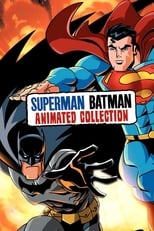
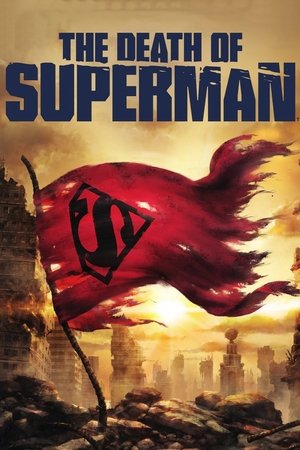
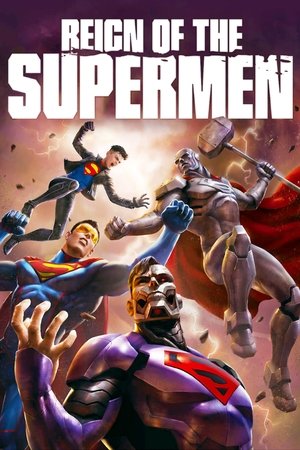
The Death of Superman is a pivotal comic book storyline and subsequent media collection centered on the demise and return of DC Comics' iconic hero. Originating in 1992 as a crossover event spanning multiple Superman titles, the narrative chronicles Superman's fatal battle with the unstoppable creature Doomsday, the global mourning that follows, and the emergence of four new characters—the Last Son of Krypton, Superboy, Steel, and the Cyborg Superman—each claiming to carry on his legacy. The story explores themes of heroism, sacrifice, and the irreplaceable nature of a true symbol, examining how a world copes when its greatest protector falls.
Beyond the original comics, the storyline has been adapted into various animated films, most notably within the DC Animated Movie Universe. These adaptations condense and reimagine the sprawling narrative, focusing on the emotional core of Superman's sacrifice and the subsequent power vacuum. The animated entries delve into the challenges faced by the new Supermen as they attempt to fill the void, while also highlighting the vulnerability of Earth in the absence of its champion. The collection showcases the enduring resonance of the Death of Superman mythos across different storytelling mediums.
Culturally, The Death of Superman became a landmark event in comic book history, generating unprecedented mainstream media attention and sales. It sparked debates about the commercial motivations behind major character deaths and influenced a wave of similar high-stakes storylines throughout the industry. The collection's legacy lies in its demonstration of how a single, shocking narrative beat can redefine a character's mythology and captivate a global audience, cementing the story as a touchstone for discussions about mortality and legacy within superhero fiction.