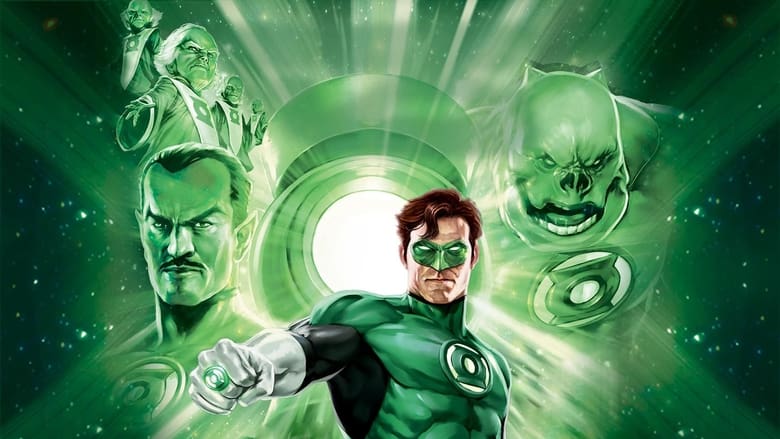
🎬 Green Lantern: Emerald Knights (2011)
Part of DC Universe Animated Original Movies
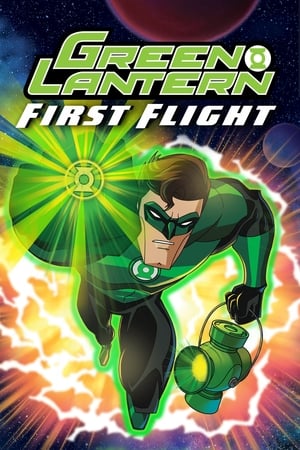
Green Lantern: Emerald Knights is a 2011 animated anthology film that explores the rich mythology of the Green Lantern Corps through a series of interconnected stories. The film is structured around the Corps preparing for a major battle with the ancient enemy Krona, with new recruit Arisia listening to Hal Jordan recount legendary tales of various Lanterns, including the first Lantern, Avra, the warrior Kilowog, the honor-bound Laira, and the solitary Mogo. While not a direct narrative sequel, the film serves as a spiritual follow-up to 2009's Green Lantern: First Flight, utilizing the same character designs and featuring a similar animation style, effectively expanding the same universe.
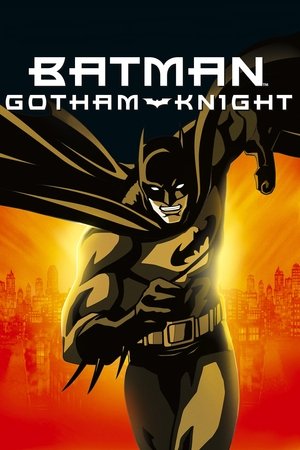
The voice cast is led by Nathan Fillion, who reprises his role as Hal Jordan from previous DC animated projects, bringing a seasoned and authoritative presence to the character. The film is notable for adapting two stories originally written by acclaimed comic book writer Alan Moore, 'Mogo Doesn't Socialize' and 'Abin Sur,' though Moore's name is absent from the credits per his long-standing policy regarding adaptations of his work. The anthology format, a rarity for the DC Universe Animated Original Movies line, was previously experimented with in Batman: Gotham Knight, but Emerald Knights distinguishes itself with a uniform visual style and a cohesive framing device.
Released as the eleventh installment in the DC Universe Animated Original Movies series, the film received mixed-to-positive reviews. Critics frequently praised the high-quality animation, which was outsourced to top-tier studios including Studio 4°C, JM Animation, and Studio Pierrot, as well as the strong voice performances and thrilling action sequences. However, some criticism was directed at the episodic nature of the storytelling, which limited deep character development, and the framing narrative was seen by some as a weaker element compared to the standalone tales.
Despite being a standalone feature, the film contributed to Nathan Fillion's enduring association with the Green Lantern character. He would go on to voice Hal Jordan in several subsequent films within the DC Animated Movie Universe, solidifying his portrayal as a fan favorite. The film stands as a vibrant and action-packed celebration of the Green Lantern Corps' legacy, offering both a treat for long-time fans and an accessible entry point for newcomers to the cosmic side of the DC Universe.
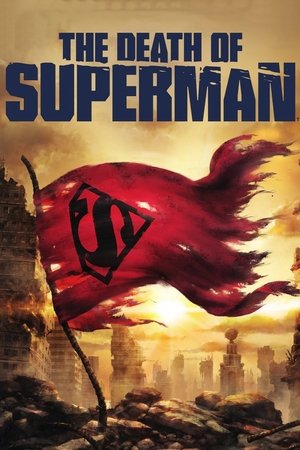
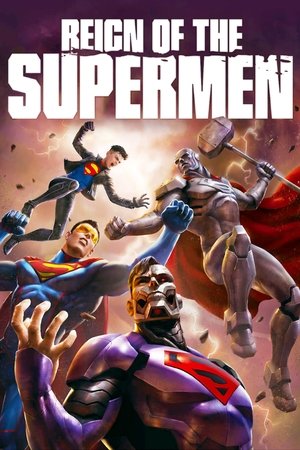
The Death of Superman is a pivotal comic book storyline and subsequent media collection centered on the demise and return of DC Comics' iconic hero. Originating in 1992 as a crossover event spanning multiple Superman titles, the narrative chronicles Superman's fatal battle with the unstoppable creature Doomsday, the global mourning that follows, and the emergence of four new characters—the Last Son of Krypton, Superboy, Steel, and the Cyborg Superman—each claiming to carry on his legacy. The story explores themes of heroism, sacrifice, and the irreplaceable nature of a true symbol, examining how a world copes when its greatest protector falls.
Beyond the original comics, the storyline has been adapted into various animated films, most notably within the DC Animated Movie Universe. These adaptations condense and reimagine the sprawling narrative, focusing on the emotional core of Superman's sacrifice and the subsequent power vacuum. The animated entries delve into the challenges faced by the new Supermen as they attempt to fill the void, while also highlighting the vulnerability of Earth in the absence of its champion. The collection showcases the enduring resonance of the Death of Superman mythos across different storytelling mediums.
Culturally, The Death of Superman became a landmark event in comic book history, generating unprecedented mainstream media attention and sales. It sparked debates about the commercial motivations behind major character deaths and influenced a wave of similar high-stakes storylines throughout the industry. The collection's legacy lies in its demonstration of how a single, shocking narrative beat can redefine a character's mythology and captivate a global audience, cementing the story as a touchstone for discussions about mortality and legacy within superhero fiction.