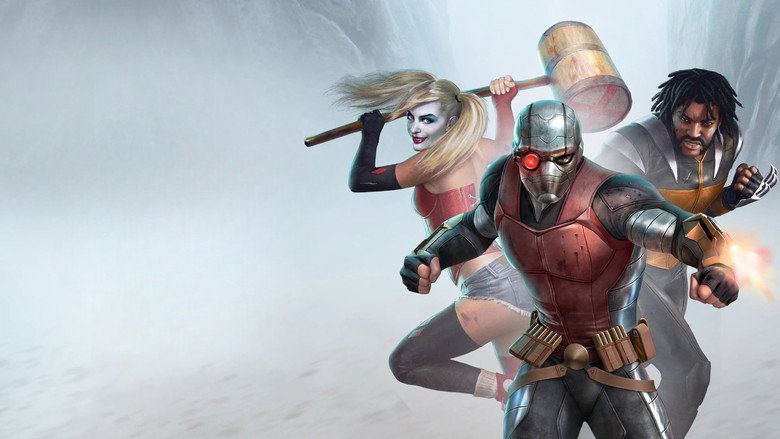
🎬 Suicide Squad: Hell to Pay (2018)
Part of DC Universe Animated Original Movies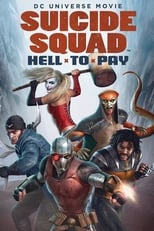
Suicide Squad: Hell to Pay distinguishes itself within the DC Animated Movie Universe by functioning as a high-octane, grindhouse-style road trip rather than a standard black ops mission. The film cleverly uses the franchise's core premise—disposable villains on a lethal leash—to fuel a MacGuffin chase, where Amanda Waller’s latest Task Force X is dispatched to recover a mystical 'Get Out of Hell Free' card. This narrative device allows the film to explore the terminal diagnoses and deep-seated fears of its cast, particularly Christian Slater’s Deadshot, who is motivated not by a commuted sentence but by a ticking clock. The script, notably the final work from veteran DC animation writer Alan Burnett, leans heavily into a tone of fatalistic gallows humor, mixing brutal, R-rated violence with a surprisingly philosophical debate about eternal damnation.
The film makes a significant structural change from the source material by introducing a rival team led by the speedster villain Zoom, who is also hunting the card. This creates a three-way conflict between Waller’s expendable crew, Zoom’s more powerful metahuman squad, and the immortal Vandal Savage, who serves as the story’s initial gatekeeper of the artifact. This adaptation choice heightens the tension beyond a simple extraction job, turning the narrative into a desperate race where the squad’s usual tactical advantages are stripped away. The roster itself is a mix of deep cuts and familiar faces, bringing Bronze Tiger and Copperhead to the forefront alongside Deadshot and Harley Quinn, while making the bold decision to kill off key characters with a suddenness that faithfully mirrors the comic’s unpredictable stakes.
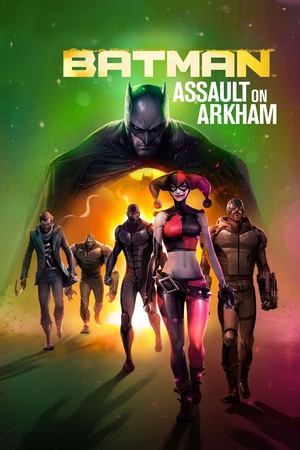
Visually and tonally, Hell to Pay embraces a sleazy, 1970s exploitation aesthetic, complete with a neon-drenched strip club safehouse and a hard-boiled narration from Deadshot. This stylistic departure gives the film a distinct identity compared to the earlier animated Suicide Squad entry, Batman: Assault on Arkham. The voice cast is a major highlight, with Vanessa Williams delivering a coldly pragmatic Amanda Waller who views her operatives purely as assets, and Christian Slater bringing a weary, chain-smoking charisma to Deadshot that anchors the film’s emotional core. The animation doesn't shy away from the team's villainous nature, showcasing their selfishness and backstabbing tendencies right up until the film’s final, ironic twist, which perfectly encapsulates the dark heart of the Suicide Squad concept.

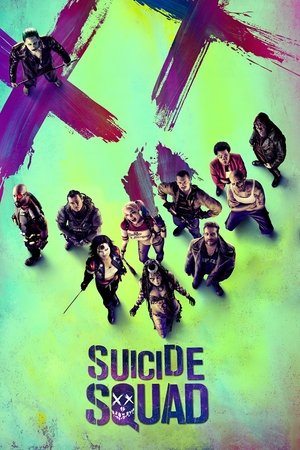
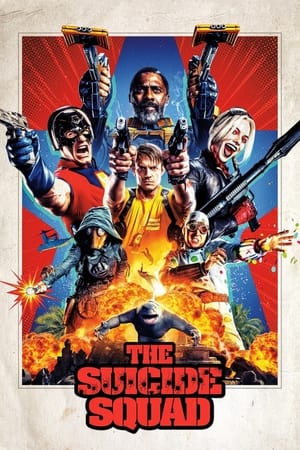
The Suicide Squad is a team of antiheroes and supervillains appearing in American comic books published by DC Comics. The concept was first introduced by writer Robert Kanigher and artist Ross Andru in The Brave and the Bold #25, published in September 1959. This original Silver Age incarnation featured a team of non-superpowered adventurers who took on dangerous missions, led by Rick Flag.
The modern, and most iconic, version of the team was re-imagined by writer John Ostrander in the Legends miniseries, debuting in Legends #3 in January 1987. Ostrander's take introduced the core concept that made the team famous: incarcerated supervillains are recruited by the ruthless government agent Amanda Waller to undertake black-ops missions deemed too dangerous for conventional heroes. In exchange for their service, they receive commuted sentences, but the catch is that the missions are often suicidal, and disobedience is punished by an explosive device implanted in their necks.
Over the decades, the Suicide Squad has been a mainstay of the DC Universe, with various comic series exploring the darkly comedic and morally complex dynamics of villains forced to work together. The team's rotating roster has included some of DC's most famous rogues, such as Deadshot, Captain Boomerang, Harley Quinn, and King Shark, alongside lesser-known characters who are often created just to be killed off, raising the stakes for the main cast.
The Suicide Squad's blend of high-stakes action, political intrigue, and gallows humor has made it one of DC's most critically acclaimed and enduring concepts, influencing numerous adaptations in other media.
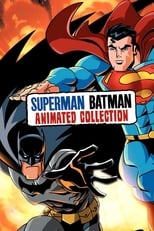
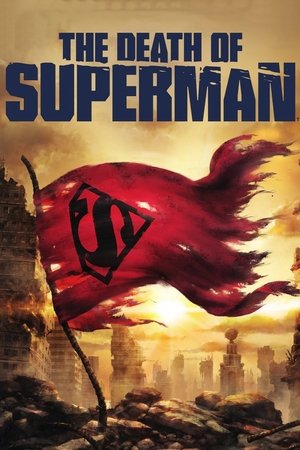
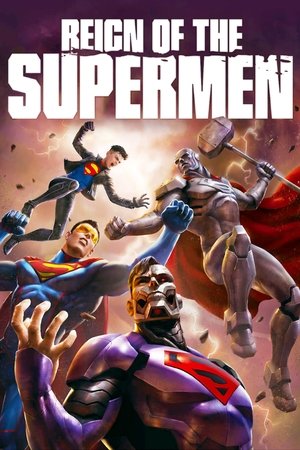
The Death of Superman is a pivotal comic book storyline and subsequent media collection centered on the demise and return of DC Comics' iconic hero. Originating in 1992 as a crossover event spanning multiple Superman titles, the narrative chronicles Superman's fatal battle with the unstoppable creature Doomsday, the global mourning that follows, and the emergence of four new characters—the Last Son of Krypton, Superboy, Steel, and the Cyborg Superman—each claiming to carry on his legacy. The story explores themes of heroism, sacrifice, and the irreplaceable nature of a true symbol, examining how a world copes when its greatest protector falls.
Beyond the original comics, the storyline has been adapted into various animated films, most notably within the DC Animated Movie Universe. These adaptations condense and reimagine the sprawling narrative, focusing on the emotional core of Superman's sacrifice and the subsequent power vacuum. The animated entries delve into the challenges faced by the new Supermen as they attempt to fill the void, while also highlighting the vulnerability of Earth in the absence of its champion. The collection showcases the enduring resonance of the Death of Superman mythos across different storytelling mediums.
Culturally, The Death of Superman became a landmark event in comic book history, generating unprecedented mainstream media attention and sales. It sparked debates about the commercial motivations behind major character deaths and influenced a wave of similar high-stakes storylines throughout the industry. The collection's legacy lies in its demonstration of how a single, shocking narrative beat can redefine a character's mythology and captivate a global audience, cementing the story as a touchstone for discussions about mortality and legacy within superhero fiction.