🎬 Suicide Squad (2016)
Part of Suicide Squad
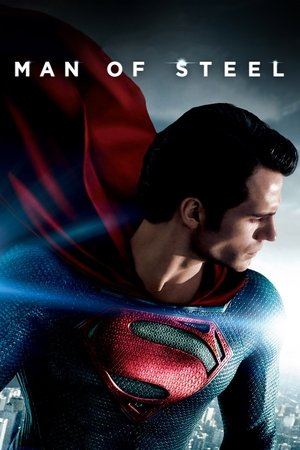
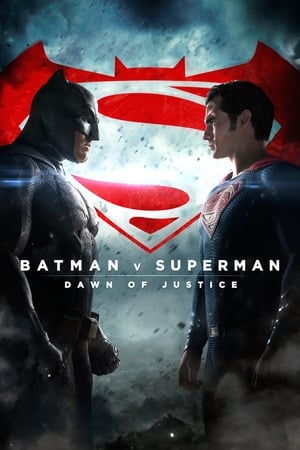
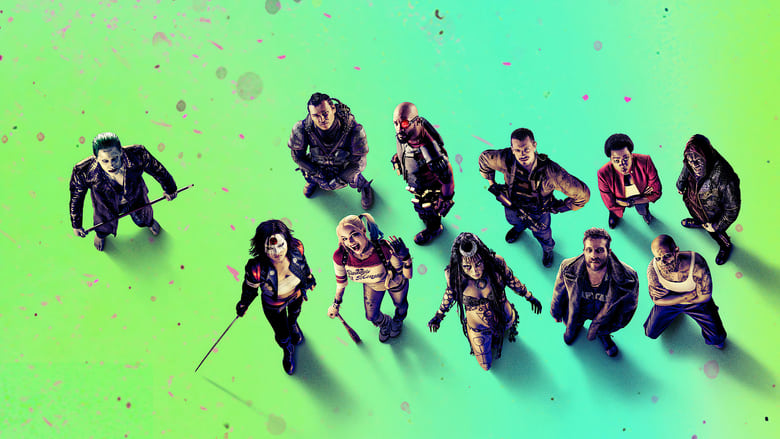
The 2016 film Suicide Squad is a live-action adaptation of the DC Comics antihero team of the same name, bringing the concept of coerced supervillain operatives to the big screen for the first time. Written and directed by David Ayer, the film acts as the third installment in the DC Extended Universe (DCEU), following Man of Steel and Batman v Superman: Dawn of Justice. The story assembles a team of incarcerated criminals—including Deadshot (Will Smith), Harley Quinn (Margot Robbie), and Captain Boomerang (Jai Courtney)—who are strong-armed by intelligence officer Amanda Waller (Viola Davis) into a black ops mission to contain a mystical, world-ending threat unleashed by the Enchantress (Cara Delevingne).
The film draws its core premise directly from John Ostrander's iconic 1987 re-imagining of the comic series, incorporating the clandestine government handler Amanda Waller and the explosive leverage used to control the team. However, the movie takes significant creative liberties, most notably by introducing a supernatural, world-ending antagonist in the Enchantress, a departure from the comics' typically more grounded, politically charged black ops missions. The film's neon-drenched, punk-rock aesthetic and its focus on the dysfunctional family dynamic among the villains were distinctive choices by Ayer, setting it apart from the more stoic tone of earlier DCEU entries.
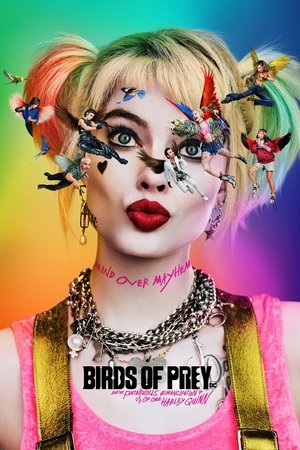
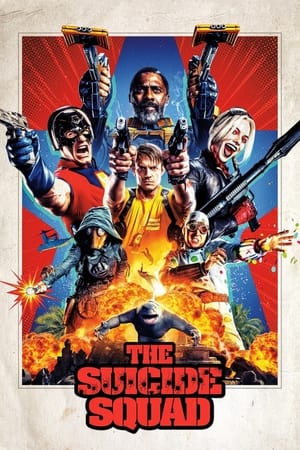
Despite a troubled production and largely negative critical reception, Suicide Squad was a major commercial success, grossing nearly $750 million worldwide. It had a significant cultural impact, particularly Margot Robbie's portrayal of Harley Quinn, which became a pop-culture phenomenon and led to the character's own spin-off film, Birds of Prey. The film also won the Academy Award for Best Makeup and Hairstyling. A standalone sequel, The Suicide Squad, was released in 2021, written and directed by James Gunn, which served as a soft reboot that leaned more heavily into the absurdist humor and ultra-violent, unpredictable nature of Ostrander's original comic run.

The Suicide Squad is a team of antiheroes and supervillains appearing in American comic books published by DC Comics. The concept was first introduced by writer Robert Kanigher and artist Ross Andru in The Brave and the Bold #25, published in September 1959. This original Silver Age incarnation featured a team of non-superpowered adventurers who took on dangerous missions, led by Rick Flag.
The modern, and most iconic, version of the team was re-imagined by writer John Ostrander in the Legends miniseries, debuting in Legends #3 in January 1987. Ostrander's take introduced the core concept that made the team famous: incarcerated supervillains are recruited by the ruthless government agent Amanda Waller to undertake black-ops missions deemed too dangerous for conventional heroes. In exchange for their service, they receive commuted sentences, but the catch is that the missions are often suicidal, and disobedience is punished by an explosive device implanted in their necks.
Over the decades, the Suicide Squad has been a mainstay of the DC Universe, with various comic series exploring the darkly comedic and morally complex dynamics of villains forced to work together. The team's rotating roster has included some of DC's most famous rogues, such as Deadshot, Captain Boomerang, Harley Quinn, and King Shark, alongside lesser-known characters who are often created just to be killed off, raising the stakes for the main cast.
The Suicide Squad's blend of high-stakes action, political intrigue, and gallows humor has made it one of DC's most critically acclaimed and enduring concepts, influencing numerous adaptations in other media.
The Suicide Squad film series is a collection of interconnected works within the DC Extended Universe, centered on the eponymous team of incarcerated supervillains from DC Comics. Originating from the comics created by Robert Kanigher and Ross Andru in 1959, the modern incarnation of the team—debuting in the 1980s under writer John Ostrander—provided the template for the screen adaptations. The core premise involves government operative Amanda Waller coercing metahuman criminals into undertaking black-ops missions too dangerous or deniable for conventional forces, using explosive implants to ensure compliance. This setup allows the series to explore the murky morality of using evil to fight evil, as these antiheroes are offered commuted sentences in exchange for completing impossibly dangerous tasks, with the constant threat of betrayal from their handlers and from within their own volatile ranks.
The series has undergone a notable tonal evolution. The 2016 film, directed by David Ayer, embraced a gritty, punk-rock aesthetic with a focus on a team of established villains, though its theatrical cut was heavily altered. The 2020 spin-off, *Birds of Prey*, shifted focus to Harley Quinn in a more irreverent, neon-soaked, and comedic style, emphasizing female empowerment and chaotic energy. The 2021 soft reboot/standalone sequel, *The Suicide Squad*, directed by James Gunn, fully embraced an irreverent, hyper-violent, and comedic tone, introducing a largely new roster of obscure, deeply flawed characters and a high mortality rate that underscored the lethal stakes. This tonal shift carried into the spin-off television series *Peacemaker*, which further explored the aftermath of the film’s events with a blend of absurd humor and unexpected pathos.
A defining characteristic of the collection is its ensemble casts of misfits and outcasts—characters who are deeply flawed, often mentally unstable, and rarely heroic in the traditional sense. This focus on villainous protagonists allows the stories to delve into themes of redemption, trauma, and the search for identity in a world that has labeled them as irredeemable. The series is known for its stylized action sequences, eclectic soundtracks, and a willingness to subvert superhero genre conventions, standing as a grittier, more chaotic alternative within the broader landscape of comic book adaptations. It celebrates the absurdity and pathos of its damaged characters, making unpredictability a hallmark; no character is safe, and the high mortality rate reinforces the team’s expendable nature.
Culturally, the Suicide Squad series has had a mixed but impactful legacy. The 2016 film, despite critical panning, was a commercial success and won an Academy Award for makeup and hairstyling, while Margot Robbie’s Harley Quinn became a breakout pop-culture icon. *The Suicide Squad* (2021) received widespread critical acclaim for its creative freedom and humor, though it underperformed at the box office due in part to the pandemic and its day-and-date streaming release. The series has expanded the DC brand’s tonal range, proving that R-rated, comedic, and ultraviolent takes on comic book properties can find an audience, and it has spawned successful spin-offs, cementing its place as a distinctive, if uneven, experiment in franchise storytelling.
The Suicide Squad film series centers on a covert government program that recruits incarcerated supervillains for high-risk black ops missions in exchange for reduced sentences. Originating from the DC Comics team of the same name, the cinematic collection explores the morally ambiguous world of Task Force X, where expendable antiheroes are forced into deadly assignments under the threat of implanted explosives. The series is defined by its ensemble casts of deeply flawed, often mentally unstable characters who must navigate shifting alliances, personal demons, and the manipulative oversight of their handler, Amanda Waller. Themes of redemption, coercion, and the blurred line between heroism and villainy run throughout, as these outcasts are repeatedly thrust into situations where survival is never guaranteed.
The collection began with David Ayer's Suicide Squad (2016), which introduced a stylized, gritty take on the team, blending dark humor with explosive action. The narrative and tonal direction shifted significantly with James Gunn's The Suicide Squad (2021), a standalone follow-up that leaned further into irreverent comedy, ultraviolence, and heartfelt character moments, while retaining the core premise of disposable criminals on a suicide mission. This entry expanded the roster with obscure and eccentric characters, reinforcing the series' willingness to subvert expectations and kill off major figures without warning. The 2021 film also served as a launchpad for the spin-off television series Peacemaker, which follows one of the team's more jingoistic members in a continuation that deepens the universe's exploration of trauma, ideology, and unlikely redemption.
Beyond its own direct entries, the Suicide Squad concept has intersected with the broader DC film landscape, particularly through the character of Harley Quinn, who appears in Birds of Prey and other ensemble films. The series' influence is felt in its distinctive visual style, needle-drop soundtracks, and its embrace of chaotic, character-driven storytelling. While the core film series consists of two main entries, its narrative and thematic DNA extends into related media, forming a loose but recognizable collection of stories about society's rejects being weaponized for the greater good—or for the hidden agendas of those in power.
The Suicide Squad series has been noted for its tonal experimentation and its willingness to critique the very concept of state-controlled superhero teams. It has garnered a cult following for its irreverent humor, memorable antiheroes, and its ability to balance graphic violence with genuine emotional beats. As a collection, it stands apart from more traditional superhero sagas by focusing on the expendable, the damaged, and the reluctantly heroic, offering a darker, more satirical corner of the DC cinematic world.