Suicide Squad
Collection 🎬 Collection
The Suicide Squad film series is a collection of interconnected works within the DC Extended Universe, centered on the eponymous team of incarcerated supervillains from DC Comics. Originating from the comics created by Robert Kanigher and Ross Andru in 1959, the modern incarnation of the team—debuting in the 1980s under writer John Ostrander—provided the template for the screen adaptations. The core premise involves government operative Amanda Waller coercing metahuman criminals into undertaking black-ops missions too dangerous or deniable for conventional forces, using explosive implants to ensure compliance. This setup allows the series to explore the murky morality of using evil to fight evil, as these antiheroes are offered commuted sentences in exchange for completing impossibly dangerous tasks, with the constant threat of betrayal from their handlers and from within their own volatile ranks.
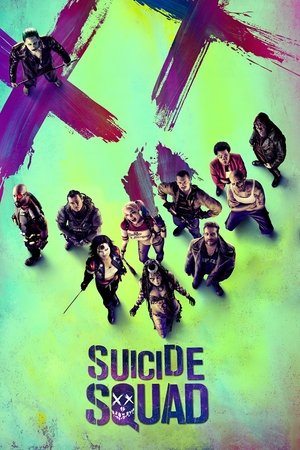
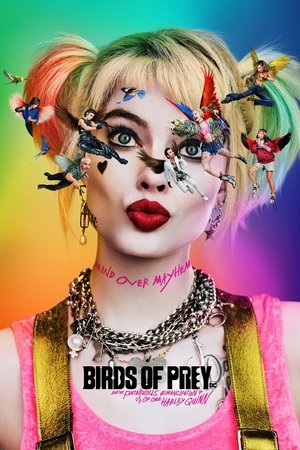
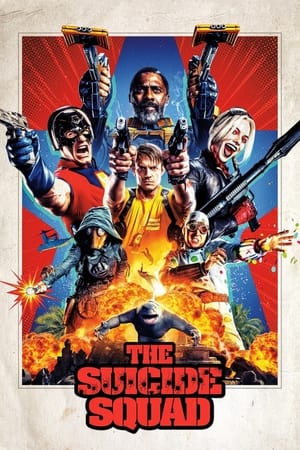
The series has undergone a notable tonal evolution. The 2016 film, directed by David Ayer, embraced a gritty, punk-rock aesthetic with a focus on a team of established villains, though its theatrical cut was heavily altered. The 2020 spin-off, *Birds of Prey*, shifted focus to Harley Quinn in a more irreverent, neon-soaked, and comedic style, emphasizing female empowerment and chaotic energy. The 2021 soft reboot/standalone sequel, *The Suicide Squad*, directed by James Gunn, fully embraced an irreverent, hyper-violent, and comedic tone, introducing a largely new roster of obscure, deeply flawed characters and a high mortality rate that underscored the lethal stakes. This tonal shift carried into the spin-off television series *Peacemaker*, which further explored the aftermath of the film’s events with a blend of absurd humor and unexpected pathos.
A defining characteristic of the collection is its ensemble casts of misfits and outcasts—characters who are deeply flawed, often mentally unstable, and rarely heroic in the traditional sense. This focus on villainous protagonists allows the stories to delve into themes of redemption, trauma, and the search for identity in a world that has labeled them as irredeemable. The series is known for its stylized action sequences, eclectic soundtracks, and a willingness to subvert superhero genre conventions, standing as a grittier, more chaotic alternative within the broader landscape of comic book adaptations. It celebrates the absurdity and pathos of its damaged characters, making unpredictability a hallmark; no character is safe, and the high mortality rate reinforces the team’s expendable nature.
Culturally, the Suicide Squad series has had a mixed but impactful legacy. The 2016 film, despite critical panning, was a commercial success and won an Academy Award for makeup and hairstyling, while Margot Robbie’s Harley Quinn became a breakout pop-culture icon. *The Suicide Squad* (2021) received widespread critical acclaim for its creative freedom and humor, though it underperformed at the box office due in part to the pandemic and its day-and-date streaming release. The series has expanded the DC brand’s tonal range, proving that R-rated, comedic, and ultraviolent takes on comic book properties can find an audience, and it has spawned successful spin-offs, cementing its place as a distinctive, if uneven, experiment in franchise storytelling.