🎬 Blue Beetle (2023)
Part of DC Extended Universe
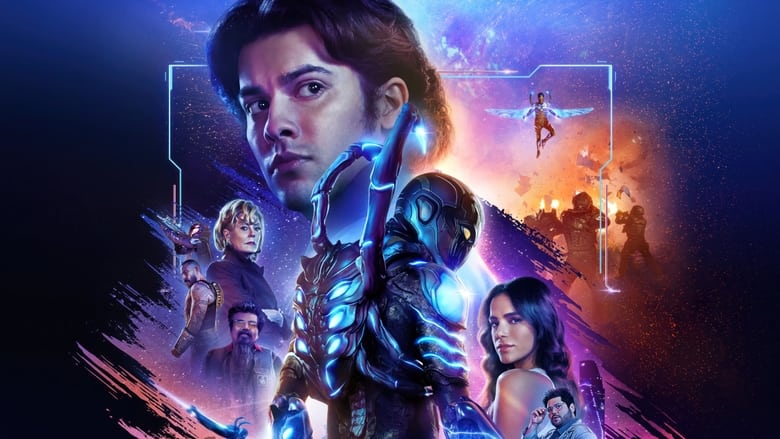
The 2023 film 'Blue Beetle' marks a historic moment as the first live-action superhero movie centered on a Latino character from DC Comics. Directed by Ángel Manuel Soto, the film adapts the story of Jaime Reyes, the third character to bear the Blue Beetle mantle in the comics. Unlike the previous iterations—the mystical Dan Garrett and the gadget-wielding Ted Kord—Jaime's power comes from an ancient alien scarab that bonds with his spine, creating a symbiotic suit of armor capable of generating weapons, shields, and even wings.
The film stays remarkably faithful to the spirit of the 2006 comic book reboot, retaining Jaime's close-knit family as a central element of the story. Xolo Maridueña stars as the recent college graduate who returns to his hometown of Palmera City only to find his family facing displacement. His life changes forever when Jenny Kord, the daughter of the previous Blue Beetle, entrusts him with the scarab, setting off a chain of events that draws the attention of the ruthless Victoria Kord, played by Susan Sarandon.
Originally developed as an HBO Max exclusive, the project was upgraded to a theatrical release, signaling the studio's confidence in the character. The film is notable for its deep cultural authenticity, with a predominantly Latino cast and creative team who infused the story with specific cultural references, music, and family dynamics rarely seen in the superhero genre. George Lopez provides comic relief as Jaime's conspiracy-theorist uncle Rudy, while the film also pays homage to the legacy of Ted Kord through his daughter Jenny and his hidden lair.
As the 14th installment in the DC Extended Universe, 'Blue Beetle' arrived at a transitional period for DC films, but it stands largely on its own as a heartfelt origin story. It distinguishes itself from other superhero fare by grounding its cosmic spectacle in the warmth and chaos of a working-class family, proving that you don't need to save the world alone when you have a family ready to help you do it.
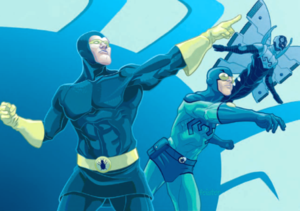
Blue Beetle is the name of three distinct superheroes appearing in American comic books since 1939. The original character, Dan Garret (later Dan Garrett), was created by Charles Nicholas Wojtkoski for Fox Comics. He was a police officer who fought crime using a bulletproof costume, superhuman strength gained from a special vitamin, and later, powers from a mystical scarab. The character was also featured in a popular radio serial during the Golden Age of Comics.
The rights to Blue Beetle were later acquired by Charlton Comics, who introduced a second version of the hero, Ted Kord, in 1966. Created by Steve Ditko, Kord was a brilliant inventor and athlete who lacked superpowers but used his scientific genius and gadgets to fight crime. This iteration became a cult favorite, and when DC Comics purchased the Charlton characters in 1983, Ted Kord was integrated into the mainstream DC Universe, joining the Justice League and starring in his own series.
In 2006, DC Comics introduced a third Blue Beetle, Jaime Reyes, created by Keith Giffen, John Rogers, and Cully Hamner. A teenager from El Paso, Texas, Jaime discovers the original scarab, which is revealed to be an ancient alien relic of immense power. The scarab bonds with him, creating a powerful suit of armor that grants him flight, energy weapons, and a variety of other abilities. Jaime's story brought a fresh, youthful perspective to the legacy, exploring themes of family, identity, and destiny.
The Blue Beetle mantle represents a rich legacy of heroism spanning multiple publishers and generations. From the pulp-inspired Golden Age adventures to the cosmic, tech-infused modern era, the character has continually evolved while maintaining a core theme of ordinary individuals rising to extraordinary circumstances.

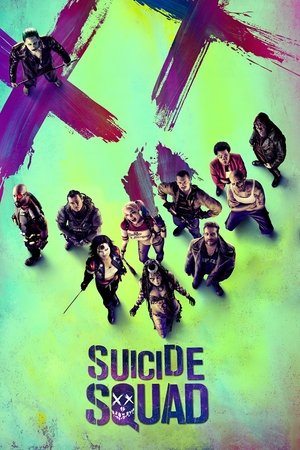
The Suicide Squad film series centers on a covert government program that recruits incarcerated supervillains for high-risk black ops missions in exchange for reduced sentences. Originating from the DC Comics team of the same name, the cinematic collection explores the morally ambiguous world of Task Force X, where expendable antiheroes are forced into deadly assignments under the threat of implanted explosives. The series is defined by its ensemble casts of deeply flawed, often mentally unstable characters who must navigate shifting alliances, personal demons, and the manipulative oversight of their handler, Amanda Waller. Themes of redemption, coercion, and the blurred line between heroism and villainy run throughout, as these outcasts are repeatedly thrust into situations where survival is never guaranteed.
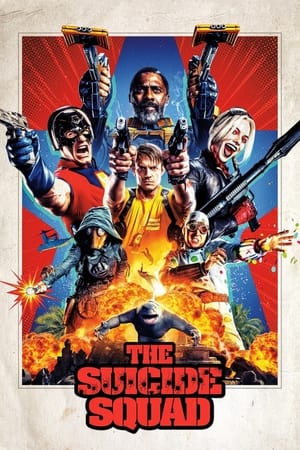
The collection began with David Ayer's Suicide Squad (2016), which introduced a stylized, gritty take on the team, blending dark humor with explosive action. The narrative and tonal direction shifted significantly with James Gunn's The Suicide Squad (2021), a standalone follow-up that leaned further into irreverent comedy, ultraviolence, and heartfelt character moments, while retaining the core premise of disposable criminals on a suicide mission. This entry expanded the roster with obscure and eccentric characters, reinforcing the series' willingness to subvert expectations and kill off major figures without warning. The 2021 film also served as a launchpad for the spin-off television series Peacemaker, which follows one of the team's more jingoistic members in a continuation that deepens the universe's exploration of trauma, ideology, and unlikely redemption.
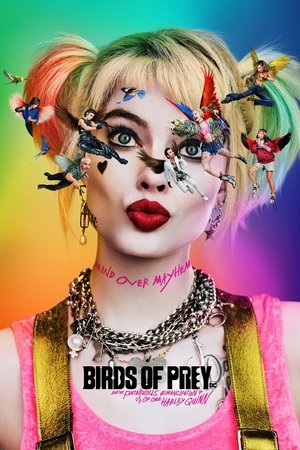
Beyond its own direct entries, the Suicide Squad concept has intersected with the broader DC film landscape, particularly through the character of Harley Quinn, who appears in Birds of Prey and other ensemble films. The series' influence is felt in its distinctive visual style, needle-drop soundtracks, and its embrace of chaotic, character-driven storytelling. While the core film series consists of two main entries, its narrative and thematic DNA extends into related media, forming a loose but recognizable collection of stories about society's rejects being weaponized for the greater good—or for the hidden agendas of those in power.
The Suicide Squad series has been noted for its tonal experimentation and its willingness to critique the very concept of state-controlled superhero teams. It has garnered a cult following for its irreverent humor, memorable antiheroes, and its ability to balance graphic violence with genuine emotional beats. As a collection, it stands apart from more traditional superhero sagas by focusing on the expendable, the damaged, and the reluctantly heroic, offering a darker, more satirical corner of the DC cinematic world.