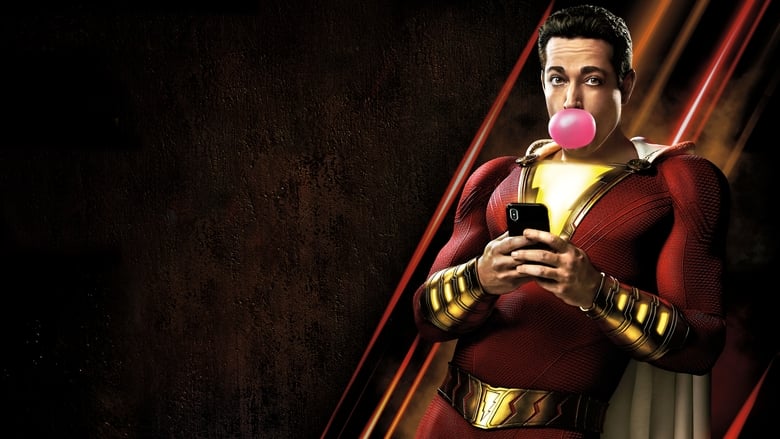
🎬 Shazam! (2019)
Part of Shazam!
The 2019 film 'Shazam!' brings one of DC Comics' most whimsical and enduring superheroes to the big screen as the seventh installment in the DC Extended Universe. Directed by David F. Sandberg, the film adapts the character originally known as Captain Marvel, created by Bill Parker and C. C. Beck for Fawcett Comics in 1939. The movie leans heavily into the inherent wish-fulfillment fantasy of the premise: teenager Billy Batson, a foster kid searching for his biological mother, is granted the ability to transform into an adult superhero by speaking the name of the ancient wizard Shazam.
Starring Asher Angel as young Billy and Zachary Levi as his super-powered alter ego, the film distinguishes itself from the darker, more brooding entries in the DCEU by embracing a comedic, lighthearted tone reminiscent of 1980s family adventures. Much of the humor stems from Billy and his foster brother Freddy Freeman (Jack Dylan Grazer) testing the limits of his new powers in a series of montages that feel like a superhero version of 'Big.' Mark Strong portrays the villainous Dr. Thaddeus Sivana, a man who was rejected by the wizard as a child and has spent his life seeking the power he believes he was denied.
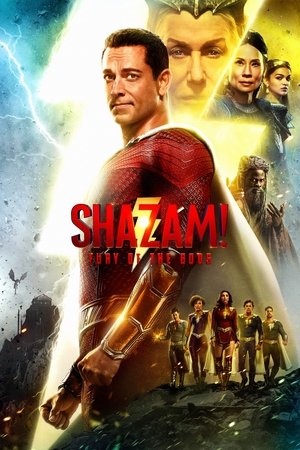
'Shazam!' was a critical and commercial success, praised for its humor, heart, and the chemistry between its young cast. It marked a deliberate shift for DC films toward more standalone, director-driven stories. The film also introduces the larger Shazam Family, setting up the foster siblings who would eventually share Billy's powers. A sequel, 'Shazam! Fury of the Gods,' followed in 2023, continuing the adventures of the magical hero and his extended family.

Shazam, originally known as Captain Marvel, is a superhero created by artist C. C. Beck and writer Bill Parker, first appearing in Fawcett Comics' Whiz Comics #2 in 1939. The character is the alter ego of Billy Batson, a young boy who, by speaking the magic word 'Shazam'—an acronym for the wisdom of Solomon, strength of Hercules, stamina of Atlas, power of Zeus, courage of Achilles, and speed of Mercury—is transformed into an adult superhero with a striking red costume, white cape, and golden lightning bolt emblem.
During the Golden Age of Comic Books, Captain Marvel was one of the most popular superheroes, outselling even Superman in the 1940s. His adventures were supported by a unique 'Marvel Family' of characters, including his sister Mary Marvel and friend Captain Marvel Jr., who shared similar powers. However, a lengthy legal battle with DC Comics (then National Periodical Publications) over the character's similarities to Superman led to Fawcett ceasing publication of Captain Marvel comics in 1953.
DC Comics eventually licensed the character in 1972 and fully acquired the rights in 1991. Due to Marvel Comics trademarking the name 'Captain Marvel' in the interim, DC was forced to market the character under the title 'Shazam!'—the magic word he speaks—though within the stories he remained Captain Marvel for many years. In 2011, as part of DC's New 52 reboot, the character was officially renamed Shazam, with Billy Batson reimagined as a slightly more troubled foster child navigating a new family and his newfound heroic identity.
The Shazam mythos blends classic superhero action with a sense of childlike wonder, as its core premise revolves around a child being granted the ultimate wish of becoming a superhero. The character has appeared across numerous comic series, animated shows, and live-action adaptations, remaining a beloved fixture of the DC Universe known for its lighter tone and emphasis on family.

The Shazam! film series is a superhero duology set within the DC Extended Universe, centering on a teenager who can transform into an adult superhero by uttering a magic word. The story draws from the classic DC Comics character originally known as Captain Marvel, reimagined for modern audiences with a focus on found family and youthful wish fulfillment.
The narrative follows a foster child who inherits ancient powers from a dying wizard, gaining incredible strength, speed, and other abilities. Unlike many darker superhero tales, this series embraces a comedic and heartfelt tone, exploring what might actually happen if a kid suddenly gained godlike powers. The interplay between the teenage alter ego and the adult superhero form provides both humor and emotional depth.
Released by Warner Bros. Pictures under its New Line Cinema banner, the films were praised for their lighthearted approach and emotional sincerity, standing apart from the more somber entries in the broader cinematic universe. The series emphasizes that family is not defined by blood but by the bonds people choose to form.
The Suicide Squad film series centers on a covert government program that recruits incarcerated supervillains for high-risk black ops missions in exchange for reduced sentences. Originating from the DC Comics team of the same name, the cinematic collection explores the morally ambiguous world of Task Force X, where expendable antiheroes are forced into deadly assignments under the threat of implanted explosives. The series is defined by its ensemble casts of deeply flawed, often mentally unstable characters who must navigate shifting alliances, personal demons, and the manipulative oversight of their handler, Amanda Waller. Themes of redemption, coercion, and the blurred line between heroism and villainy run throughout, as these outcasts are repeatedly thrust into situations where survival is never guaranteed.
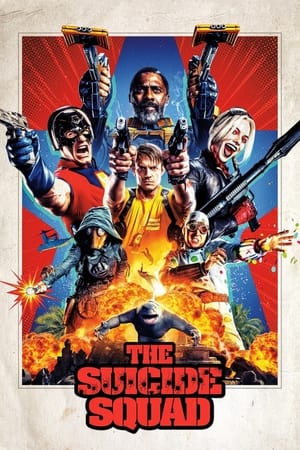
The collection began with David Ayer's Suicide Squad (2016), which introduced a stylized, gritty take on the team, blending dark humor with explosive action. The narrative and tonal direction shifted significantly with James Gunn's The Suicide Squad (2021), a standalone follow-up that leaned further into irreverent comedy, ultraviolence, and heartfelt character moments, while retaining the core premise of disposable criminals on a suicide mission. This entry expanded the roster with obscure and eccentric characters, reinforcing the series' willingness to subvert expectations and kill off major figures without warning. The 2021 film also served as a launchpad for the spin-off television series Peacemaker, which follows one of the team's more jingoistic members in a continuation that deepens the universe's exploration of trauma, ideology, and unlikely redemption.
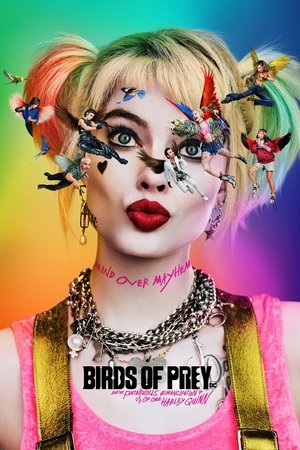
Beyond its own direct entries, the Suicide Squad concept has intersected with the broader DC film landscape, particularly through the character of Harley Quinn, who appears in Birds of Prey and other ensemble films. The series' influence is felt in its distinctive visual style, needle-drop soundtracks, and its embrace of chaotic, character-driven storytelling. While the core film series consists of two main entries, its narrative and thematic DNA extends into related media, forming a loose but recognizable collection of stories about society's rejects being weaponized for the greater good—or for the hidden agendas of those in power.
The Suicide Squad series has been noted for its tonal experimentation and its willingness to critique the very concept of state-controlled superhero teams. It has garnered a cult following for its irreverent humor, memorable antiheroes, and its ability to balance graphic violence with genuine emotional beats. As a collection, it stands apart from more traditional superhero sagas by focusing on the expendable, the damaged, and the reluctantly heroic, offering a darker, more satirical corner of the DC cinematic world.