DC Extended Universe
Collection 🎬 Collection
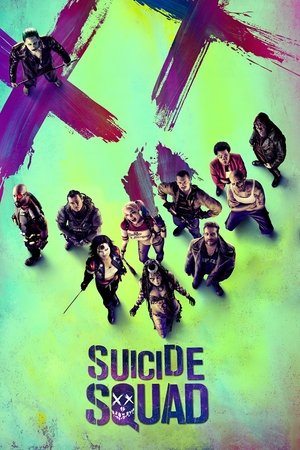
The Suicide Squad film series centers on a covert government program that recruits incarcerated supervillains for high-risk black ops missions in exchange for reduced sentences. Originating from the DC Comics team of the same name, the cinematic collection explores the morally ambiguous world of Task Force X, where expendable antiheroes are forced into deadly assignments under the threat of implanted explosives. The series is defined by its ensemble casts of deeply flawed, often mentally unstable characters who must navigate shifting alliances, personal demons, and the manipulative oversight of their handler, Amanda Waller. Themes of redemption, coercion, and the blurred line between heroism and villainy run throughout, as these outcasts are repeatedly thrust into situations where survival is never guaranteed.
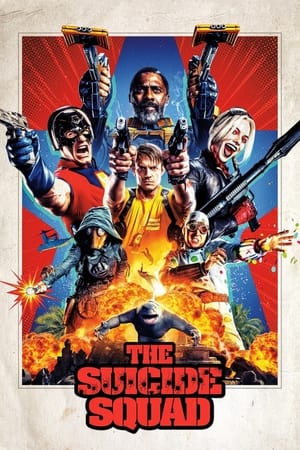
The collection began with David Ayer's Suicide Squad (2016), which introduced a stylized, gritty take on the team, blending dark humor with explosive action. The narrative and tonal direction shifted significantly with James Gunn's The Suicide Squad (2021), a standalone follow-up that leaned further into irreverent comedy, ultraviolence, and heartfelt character moments, while retaining the core premise of disposable criminals on a suicide mission. This entry expanded the roster with obscure and eccentric characters, reinforcing the series' willingness to subvert expectations and kill off major figures without warning. The 2021 film also served as a launchpad for the spin-off television series Peacemaker, which follows one of the team's more jingoistic members in a continuation that deepens the universe's exploration of trauma, ideology, and unlikely redemption.
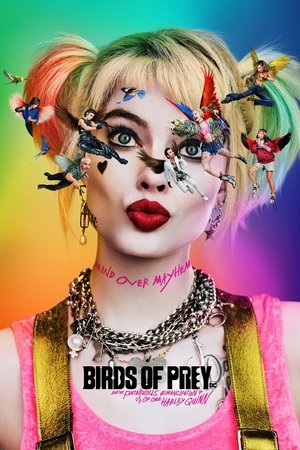
Beyond its own direct entries, the Suicide Squad concept has intersected with the broader DC film landscape, particularly through the character of Harley Quinn, who appears in Birds of Prey and other ensemble films. The series' influence is felt in its distinctive visual style, needle-drop soundtracks, and its embrace of chaotic, character-driven storytelling. While the core film series consists of two main entries, its narrative and thematic DNA extends into related media, forming a loose but recognizable collection of stories about society's rejects being weaponized for the greater good—or for the hidden agendas of those in power.
The Suicide Squad series has been noted for its tonal experimentation and its willingness to critique the very concept of state-controlled superhero teams. It has garnered a cult following for its irreverent humor, memorable antiheroes, and its ability to balance graphic violence with genuine emotional beats. As a collection, it stands apart from more traditional superhero sagas by focusing on the expendable, the damaged, and the reluctantly heroic, offering a darker, more satirical corner of the DC cinematic world.