🎬 Justice League (2017)
Part of Man of Steel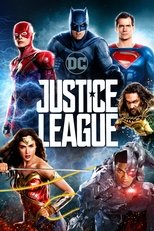
Zack Snyder's 2017 film Justice League represents the long-awaited cinematic culmination of DC Comics' premier superhero team, which first assembled in the pages of The Brave and the Bold #28 back in 1960. As the fifth entry in the DC Extended Universe, the film was tasked with uniting the franchise's core heroes—Batman, Wonder Woman, the Flash, Aquaman, and Cyborg—in the wake of Superman's death, to face the apocalyptic threat of Steppenwolf and his Parademon army. The production itself became legendary for its behind-the-scenes drama; after principal photography was completed, director Zack Snyder stepped down due to a family tragedy, and Joss Whedon was brought in to oversee extensive rewrites and reshoots that significantly altered the film's tone and narrative.
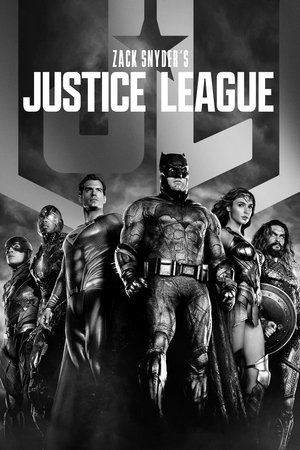
The theatrical cut of Justice League was met with mixed reviews, with many critics and fans noting a disjointed feel resulting from the clash of two very different directorial visions. This led to an unprecedented fan campaign demanding the release of Snyder's original footage, which eventually materialized in 2021 as Zack Snyder's Justice League—a four-hour director's cut that restored excised storylines, characters like Darkseid, and a more operatic, somber tone. The contrast between the two versions provides a fascinating case study in studio interference and the power of fan advocacy in modern blockbuster filmmaking.
Despite its troubled journey to the screen, the film succeeded in bringing together a cast that included Ben Affleck, Gal Gadot, Jason Momoa, Ezra Miller, and Ray Fisher, establishing the chemistry that would carry forward into their respective solo outings. While the DCEU has since undergone a major creative overhaul under new leadership, Justice League remains a significant, if controversial, milestone in the history of superhero cinema—a testament to both the enduring appeal of DC's iconic team and the complex realities of adapting beloved source material for a global audience.

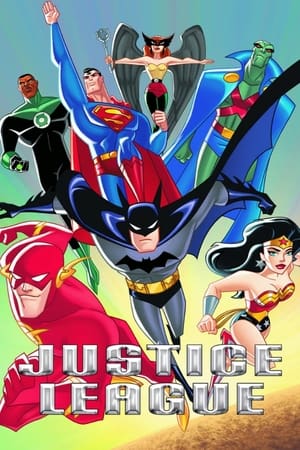
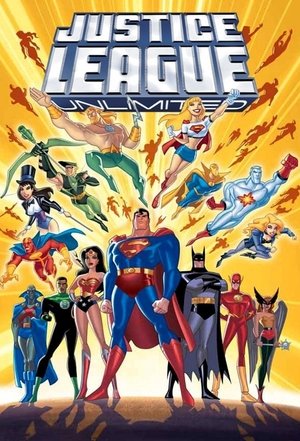
The Justice League is a fictional superhero team appearing in American comic books published by DC Comics. The team was conceived by writer Gardner Fox and first appeared in The Brave and the Bold #28 in March 1960. The original lineup brought together some of DC's most iconic characters—Superman, Batman, Wonder Woman, the Flash, Green Lantern, Aquaman, and the Martian Manhunter—into a single, collaborative unit dedicated to combating threats too large for any one hero to handle alone.
The formation of the Justice League marked a pivotal moment in comic book history, ushering in the Silver Age of Comics and revitalizing the superhero genre. The team's headquarters, the Hall of Justice and later the orbiting Watchtower, became iconic symbols of unity and heroism. Over the decades, the roster has expanded and rotated to include dozens of heroes, reflecting the evolving landscape of the DC Universe while maintaining its core mission of protecting Earth from cosmic, mystical, and super-powered menaces.
Beyond its narrative significance, the Justice League has become a cornerstone of DC's publishing line, spawning numerous ongoing series, limited series, and graphic novels. The team's stories often explore themes of power, responsibility, and the dynamics of extraordinary individuals working together, cementing its status as the definitive superhero team in popular culture.

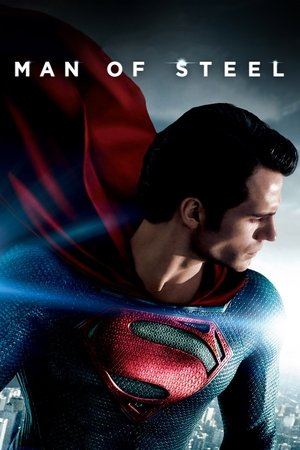
This collection centers on the foundational films of the DC Extended Universe's Superman storyline, beginning with Man of Steel (2013). Directed by Zack Snyder, the trilogy follows Clark Kent's journey from a conflicted alien outsider to Earth's greatest protector, and ultimately to his role in the formation of the Justice League. Henry Cavill's portrayal brought a more grounded, introspective version of Superman to the screen, exploring the weight of his powers and the moral dilemmas that come with being a god-like figure in a world of mortals.
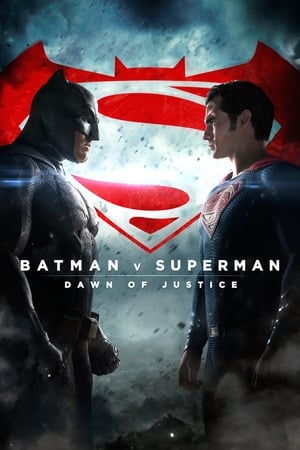
The narrative arc progresses from Kal-El's origin and first confrontation with General Zod, through the devastating clash with Batman that forces a reckoning with humanity's fear of unchecked power, to the assembly of Earth's heroes against Steppenwolf and the forces of Apokolips. Batman v Superman: Dawn of Justice expanded the universe by introducing Ben Affleck's Batman and Gal Gadot's Wonder Woman, while Justice League brought the team together in a climactic battle for the planet.
Though each film received mixed critical reception, the trilogy collectively shaped the tone and ambition of the DC Extended Universe. Snyder's visual style — marked by mythic imagery, deconstructed heroism, and operatic action sequences — gave the series a distinct identity separate from its Marvel contemporaries, earning a passionate fanbase and influencing the broader direction of DC's cinematic ventures.
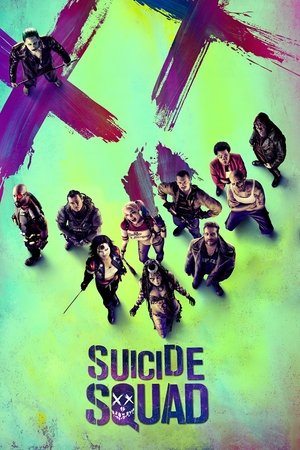
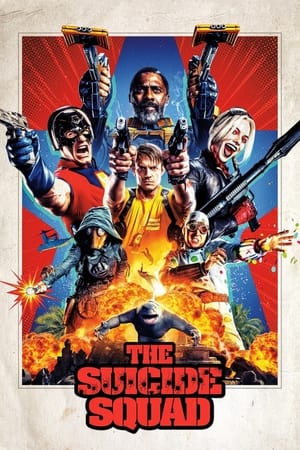
The Suicide Squad film series centers on a covert government program that recruits incarcerated supervillains for high-risk black ops missions in exchange for reduced sentences. Originating from the DC Comics team of the same name, the cinematic collection explores the morally ambiguous world of Task Force X, where expendable antiheroes are forced into deadly assignments under the threat of implanted explosives. The series is defined by its ensemble casts of deeply flawed, often mentally unstable characters who must navigate shifting alliances, personal demons, and the manipulative oversight of their handler, Amanda Waller. Themes of redemption, coercion, and the blurred line between heroism and villainy run throughout, as these outcasts are repeatedly thrust into situations where survival is never guaranteed.
The collection began with David Ayer's Suicide Squad (2016), which introduced a stylized, gritty take on the team, blending dark humor with explosive action. The narrative and tonal direction shifted significantly with James Gunn's The Suicide Squad (2021), a standalone follow-up that leaned further into irreverent comedy, ultraviolence, and heartfelt character moments, while retaining the core premise of disposable criminals on a suicide mission. This entry expanded the roster with obscure and eccentric characters, reinforcing the series' willingness to subvert expectations and kill off major figures without warning. The 2021 film also served as a launchpad for the spin-off television series Peacemaker, which follows one of the team's more jingoistic members in a continuation that deepens the universe's exploration of trauma, ideology, and unlikely redemption.
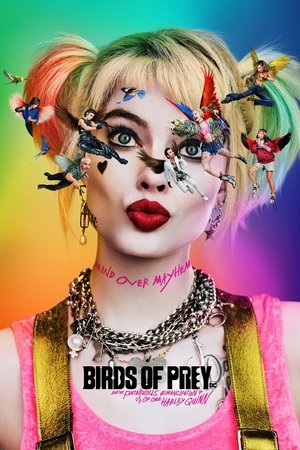
Beyond its own direct entries, the Suicide Squad concept has intersected with the broader DC film landscape, particularly through the character of Harley Quinn, who appears in Birds of Prey and other ensemble films. The series' influence is felt in its distinctive visual style, needle-drop soundtracks, and its embrace of chaotic, character-driven storytelling. While the core film series consists of two main entries, its narrative and thematic DNA extends into related media, forming a loose but recognizable collection of stories about society's rejects being weaponized for the greater good—or for the hidden agendas of those in power.
The Suicide Squad series has been noted for its tonal experimentation and its willingness to critique the very concept of state-controlled superhero teams. It has garnered a cult following for its irreverent humor, memorable antiheroes, and its ability to balance graphic violence with genuine emotional beats. As a collection, it stands apart from more traditional superhero sagas by focusing on the expendable, the damaged, and the reluctantly heroic, offering a darker, more satirical corner of the DC cinematic world.